






What is Intentional Snacking?
Intentional snacking is the opposite of mindless grazing from a packet of chips while watching TV. It’s a planned and purposeful approach to eating between meals. This means choosing specific foods to provide energy and nutrients, and eating them with
awareness. The goal isn't just to fill a momentary craving, but to strategically manage hunger, stabilize blood sugar levels, and provide your body with a steady supply of fuel throughout the day. Think of it as a mini-meal designed to bridge the gap between lunch and dinner, preventing you from becoming ravenously hungry and overeating later.
The Science of Satiety
When several hours pass between meals, your blood sugar can drop, leading to fatigue, irritability, and intense hunger. This is when we are most likely to grab the nearest, often unhealthy, food and consume far more than we need. A planned snack prevents this crash. By combining protein, fibre, and healthy fats, an intentional snack digests slowly, promoting a feeling of fullness and keeping your energy levels stable. Protein and fibre are particularly effective at curbing appetite, while healthy fats contribute to longer-lasting satiety. This combination ensures you aren't arriving at your dinner table with overwhelming hunger, which often leads to eating too quickly and past the point of fullness.
The Golden Rules of Smart Snacking
To make snacking work for you, not against you, a few guidelines can help. First, listen to your body. Eat when you are genuinely hungry, not just bored or stressed. Second, pay attention to portion size. A snack should be just enough to satisfy you without spoiling your next meal, typically in the range of 150-250 calories. Third, timing is crucial. Aim to have your snack about two to three hours after your last meal and a similar amount of time before your next one. This gives your body time to digest and ensures you're ready for your main meal. Finally, plan ahead. Having healthy options readily available makes it easier to avoid temptation.
Building the Perfect Intentional Snack
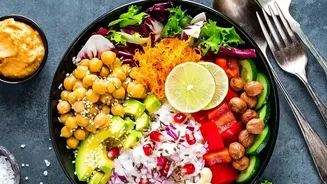
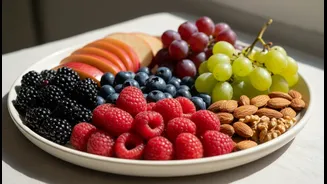
The most effective snacks combine different food groups to provide balanced nutrition. The key formula is pairing a source of protein with a source of fibre from carbohydrates. For instance, a handful of almonds (protein and healthy fats) with an apple (fibre) is a classic choice. Other excellent options readily available in an Indian kitchen include a small bowl of dahi or Greek yoghurt with berries, roasted chana (chickpeas), a hard-boiled egg, or vegetable sticks like carrots and cucumbers with hummus. These combinations provide sustained energy and nutrients, making them far more effective than snacks high in refined sugars or salt, which can lead to a quick spike and crash.
Beyond Appetite Control
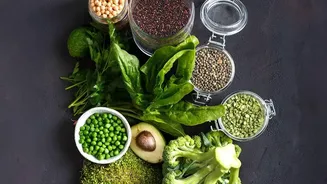
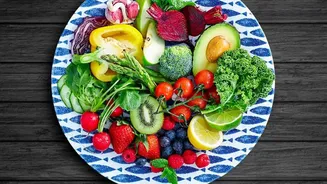
The benefits of intentional snacking extend beyond just preserving your appetite. It's an opportunity to incorporate more essential nutrients into your diet that you might miss in your main meals, such as vitamins, minerals, and extra fibre. For many, snacking on fruits, vegetables, and nuts is an effective way to meet daily nutritional requirements. Furthermore, stabilising blood sugar helps improve focus and cognitive function throughout the day, preventing the all-too-common afternoon slump. By reframing snacks as a tool for nourishment rather than a guilty pleasure, you can build a healthier and more balanced relationship with food.