





Hype: A Lunar Metropolis by 2035?
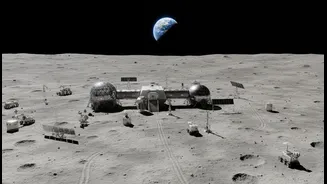
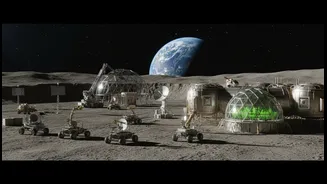
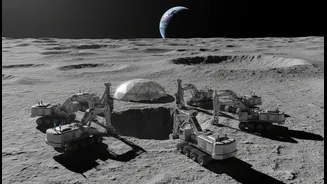
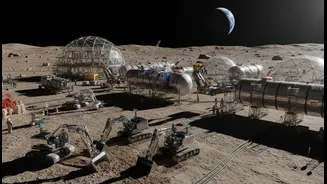
When people hear “Moon base,” they often picture sprawling, self-sustaining cities under glass domes. The reality, at least for the next few decades, is far more practical and less cinematic. NASA's official plan is for an "Artemis Base Camp" located
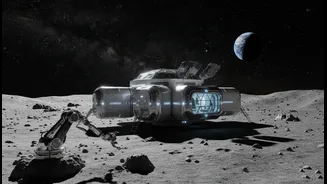
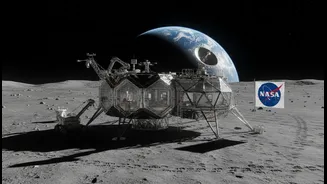
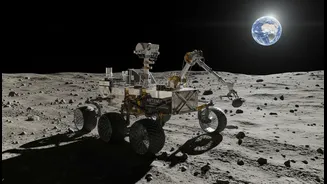
at the lunar South Pole. Forget a city; think more of a high-tech Antarctic research station. The initial setup will consist of a few core elements: a foundational surface habitat for four astronauts, a lunar terrain vehicle (LTV) for short trips, and a pressurized rover for longer expeditions. Early missions will involve short stays, gradually building up to a month or two as infrastructure like power systems and communications are established. The goal for the 2030s is to achieve a "sustained human presence," which means routine crew rotations and continuous activity, not a permanent residential address.
Context: The Real Science Goals
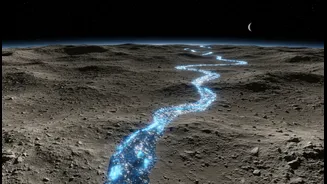
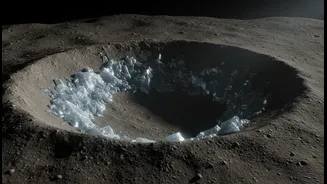
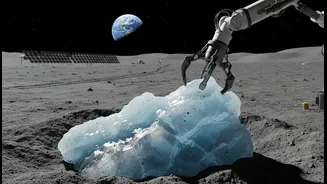
So if not a city, what’s the point? The primary purpose of the Artemis Base Camp is science and technology demonstration. Unlike the Apollo missions, which were a race to plant a flag, Artemis is about learning to live and work in deep space for long periods. A key scientific driver is the location: the lunar South Pole. This region contains permanently shadowed craters where scientists believe vast quantities of water ice are trapped. This ice is a game-changer. Beyond studying the history of water in the solar system, it could potentially be harvested for drinking water, breathable air, and, most importantly, rocket propellant. The base will also serve as a unique platform for geology, astronomy, and studying the effects of long-term radiation on humans, all crucial knowledge for an eventual mission to Mars.
Hype: Limitless Resources Mined from the Moon
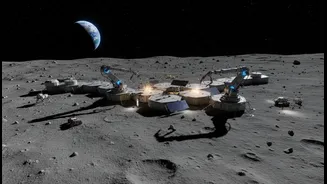
A major source of hype revolves around In-Situ Resource Utilization, or ISRU. This is the concept of living off the land by using local materials. The vision is compelling: mining water ice for fuel, 3D-printing habitats from lunar soil (regolith), and extracting oxygen to breathe. While NASA and its commercial partners are actively developing these technologies, they face immense challenges. Equipment must operate in extreme cold, vacuum, and abrasive, electrostatically charged dust. Extracting and processing resources is energy-intensive, which is why NASA is also developing surface power systems, potentially including a small nuclear fission unit. The early phases of ISRU will be small-scale experiments, like the MOXIE instrument on the Mars Perseverance rover, which proved it could generate oxygen from the Martian atmosphere. Building a lunar economy on mined resources is a long-term goal, not a near-term reality.
Context: A Phased, Decade-Long Rollout
Headlines often feature ambitious dates that are prone to shifting. NASA's approach is deliberately phased to manage risk and complexity. Phase One, running through 2029, is focused on robotic scouting, technology testing, and securing reliable cargo delivery to the surface. Commercial partners are already contracted to send landers, rovers, and even small hopping drones to map the area. Phase Two, from roughly 2029 to 2032, involves assembling the initial habitat and beginning early crewed operations. It is only in Phase Three, beyond 2032, that NASA aims for a truly sustained presence with regular crew rotations. Each step is dependent on the success of the last, and budgetary and technical hurdles can, and likely will, cause delays. This is not a sprint; it is the slow and steady construction of humanity's first foothold on another world.