








Why Monsoon Weakens Our Defences
The rainy season creates the perfect storm for illnesses. The increased humidity allows bacteria and viruses to thrive, increasing the risk of transmission. Waterlogging can lead to contaminated water supplies, causing a rise in water-borne diseases like
gastroenteritis, typhoid, and cholera. Mosquito-borne ailments such as malaria and dengue also become more prevalent as stagnant water provides breeding grounds for mosquitoes. Furthermore, frequent temperature fluctuations can stress the body, making us more susceptible to airborne infections like the common cold and flu. During this time, maintaining a robust immune system is your first line of defence.
The Gut-Immunity Connection
A surprising amount of your immune system—around 70%—resides in your gut. The gut is home to trillions of microorganisms, collectively known as the gut microbiome. A healthy, balanced microbiome is crucial for proper immune function. Probiotics, which are live beneficial bacteria, play a key role in maintaining this balance. They help strengthen the gut lining, stimulate immune cells, and prevent harmful pathogens from taking hold. By supporting your gut health, you are directly supporting your body's ability to fight off the infections that are common during the monsoon.
Getting Started: The Humble Homemade Dahi
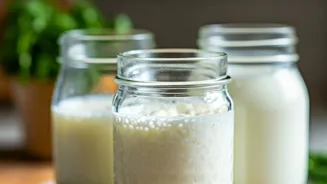
The easiest and most accessible probiotic to make at home is dahi, or homemade curd. It's a staple in most Indian households and an excellent source of beneficial bacteria like Lactobacillus. Unlike some store-bought varieties, homemade curd is fresh and free from preservatives. To make it, simply heat milk until it's lukewarm (not hot). Pour it into a container and add a teaspoon of starter curd from a previous batch. Stir gently, cover, and let it set in a warm place for 6-8 hours or overnight. The live cultures in the starter will ferment the milk, turning it into a thick, creamy, probiotic-rich food that promotes gut health and strengthens immunity.
Level Up: Brewing Water Kefir
For those looking to try something new, water kefir is a fizzy, refreshing, and dairy-free probiotic drink. It's made using water kefir "grains"—not actual grains, but a symbiotic culture of bacteria and yeast (SCOBY). To make it, you need to dissolve about a quarter cup of sugar in a litre of non-chlorinated water. Once the water is at room temperature, add the water kefir grains. Cover the jar with a cloth and let it ferment for 24 to 48 hours in a warm spot away from direct sunlight. The grains feed on the sugar, producing a lightly carbonated, tangy beverage packed with a diverse range of probiotics.
A Note on Fermentation Safety
While home-brewing is rewarding, safety is paramount. The key to successful fermentation is creating an environment where good bacteria thrive and bad ones cannot. Always start with clean hands and sterilized equipment; glass jars are ideal as they don’t react with the acids produced during fermentation. Use non-chlorinated water, as chlorine can kill the beneficial microbes. When fermenting vegetables or drinks like Kanji, ensure the correct salt concentration (usually around 2-3%) is used to inhibit harmful bacteria. Keep everything submerged under the brine or liquid to maintain an oxygen-free environment. Watch out for signs of spoilage like fuzzy mould (not to be confused with a SCOBY), an unpleasant smell, or a slimy texture. If a batch seems off, it's always safest to discard it and start again.