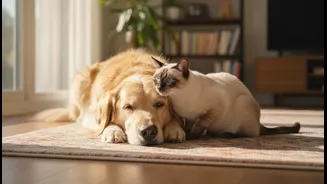








It’s More Than Just Being There
For years, the prevailing wisdom has been that owning a pet is a straightforward ticket to reduced stress and better moods. However, a growing body of research presents a more nuanced picture. Some studies have found surprisingly little difference in the overall
happiness or rates of depression between pet owners and non-owners. This has led scientists to look beyond the simple presence of an animal in the home and instead focus on the dynamics of the bond itself. The findings suggest that the benefits we get from our pets are not passive; they are forged in the daily interactions and the specific emotional connection we build with them. This shifts the focus from what a pet is to what that relationship does.
The Science of Attachment
Psychologists often talk about “attachment theory” to describe how humans form bonds with each other, and it turns out the same principles apply to our pets. Research now distinguishes between a “secure” attachment and an “insecure” one. A secure bond is one where the pet is a reliable source of comfort and joy. An insecure, or “anxious,” attachment is different. This is when an owner feels excessively worried about their pet, needs constant reassurance of their affection, or feels overly dependent on them for emotional stability. Studies show that people with secure pet attachments tend to report lower levels of depression. In contrast, an anxious attachment is often linked to poorer mental health outcomes, including more symptoms of depression and anxiety. The key takeaway is that the quality of the bond is a more powerful predictor of well-being than its intensity.
The Attachment Paradox
Counterintuitively, some studies have found that people who report the absolute strongest emotional attachment to their pets are also more likely to experience loneliness and depression. This doesn't mean that loving your pet is bad for you. Instead, researchers suggest this may be an indicator of pre-existing emotional vulnerability. People who lack strong human social support may turn to their pets and form incredibly intense, sometimes anxious, bonds as a way to cope. In these cases, the pet becomes a critical lifeline, and the strength of the attachment reflects the owner's underlying needs. The pet isn't causing the problem, but the nature of the relationship can be a signal of a person's broader mental health landscape.
The Chemistry of Connection
The mood-shaping power of pets also has a direct biological basis. Simple, positive interactions with an animal have been proven to alter our body chemistry for the better. The act of petting or cuddling a pet can increase levels of oxytocin, often called the “love hormone,” which promotes feelings of bonding and trust. At the same time, these interactions help decrease levels of cortisol, the body’s primary stress hormone. This hormonal shift can lead to a lower heart rate and blood pressure, creating a tangible sense of calm. Even quiet activities, like making eye contact with your dog or listening to a cat purr, can trigger these positive physiological responses, providing a powerful and immediate mood boost.
A Source of Purpose and Presence
Beyond the chemistry, the routines of pet care provide structure and a gentle sense of purpose that can be grounding. The daily responsibilities of feeding, walking, and playing with a pet create a predictable rhythm that can be especially comforting during stressful periods. These activities encourage physical movement, which is a well-known mood elevator, and can help foster mindfulness by pulling your focus into the present moment. Furthermore, pets offer non-judgmental companionship, providing a safe outlet for emotion without fear of criticism. This steady, unconditional support helps combat feelings of loneliness and can be a quiet but powerful force for daily emotional stability.