


A Return to Roots
Across urban India, young hosts are redefining what it means to celebrate. Driven by a desire for more mindful and authentic experiences, they are moving away from disposable culture and rediscovering age-old practices that were inherently sustainable.
This isn't about compromising on the festive spirit; it's about enhancing it. The focus is shifting from mass-produced convenience to conscious choices that honour both cultural heritage and the environment. This growing movement blends tradition with a modern eco-awareness, creating celebrations that feel both timeless and incredibly current. It’s a return to practices our grandparents followed, not out of trend, but out of wisdom.
The Banana Leaf Revival
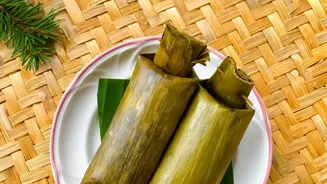
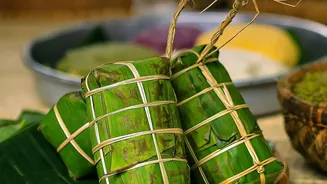
At the heart of this trend is the humble banana leaf. Long used in South India for festive meals like the Onam Sadhya, it is now being embraced by young hosts nationwide as the ultimate eco-friendly dinnerware. Serving a feast on banana leaves completely eliminates the need for disposable plates, drastically cutting down on post-party waste. But its appeal goes beyond just being biodegradable. Banana leaves are waterproof, have a waxy texture that prevents food from sticking, and impart a subtle, sweet aroma when warm food is placed on them, enhancing the flavour of the dishes. This simple switch turns a meal into a more sensory and traditional experience, connecting guests to a rich culinary history while making a powerful environmental statement.
The Purity of Organic Produce
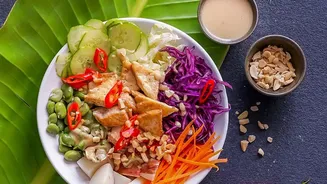
What’s a feast without exceptional ingredients? The other cornerstone of this sustainable shift is the move towards organic and locally sourced produce. Young hosts are increasingly planning their festive menus around seasonal vegetables and fruits, ensuring peak freshness and flavour. Sourcing from local farmers' markets or certified organic suppliers not only supports local economies but also reduces the carbon footprint associated with long-distance food transportation. An organic festive meal means fewer pesticides on the plate and a more vibrant, authentic taste. This commitment to quality ingredients elevates the entire dining experience, making the food itself a celebration of nature's bounty.
Planning Your Sustainable Feast
Embracing this trend is easier than it sounds. Start by planning your menu around what’s in season. Visit a local farmers' market to get inspired and connect with vendors. For banana leaves, check with local South Indian grocery stores or even Asian markets, where they are often sold fresh or frozen. When it comes to decorations, think natural: use fresh marigold garlands, earthen diyas, and cloth buntings instead of plastic. Encourage guests to participate by informing them about your sustainable theme. Simple waste segregation for any food scraps (for composting) and recyclables can make the cleanup process much greener. The goal isn't perfection but progress.
Beyond the Plate: A Zero-Waste Mindset
True sustainable hosting extends beyond just the food and plates. It’s about adopting a zero-waste mindset. This can include sending e-invites to save paper, planning portions carefully to minimise food waste, and using cloth napkins instead of paper ones. For drinks, consider making large batches of homemade lemonade or iced tea served in glass dispensers, avoiding single-use plastic bottles entirely. When it comes to party favours, skip the plastic trinkets and opt for small potted plants, handmade sweets in reusable jars, or seeds for guests to plant themselves. Every small decision contributes to a larger impact, transforming your festive gathering into a truly conscious celebration.