



Why You Should Ditch the Watering Schedule
Watering your plants every Saturday morning might feel like a good routine, but it ignores what your plant actually needs. How quickly soil dries depends on many factors: the season, room temperature, humidity, light exposure, pot size, and pot material.
A plant in a sunny spot during summer will be much thirstier than the same plant in a dim corner during winter. A rigid schedule often leads to overwatering, which is the number one cause of houseplant death. When soil is constantly soggy, it cuts off oxygen to the roots. This suffocation leads to root rot, a condition where roots turn dark and mushy, and can invite pests like fungus gnats. By checking the soil each time, you water based on the plant’s current needs, not the calendar.
The Best Ways to Check Soil Moisture
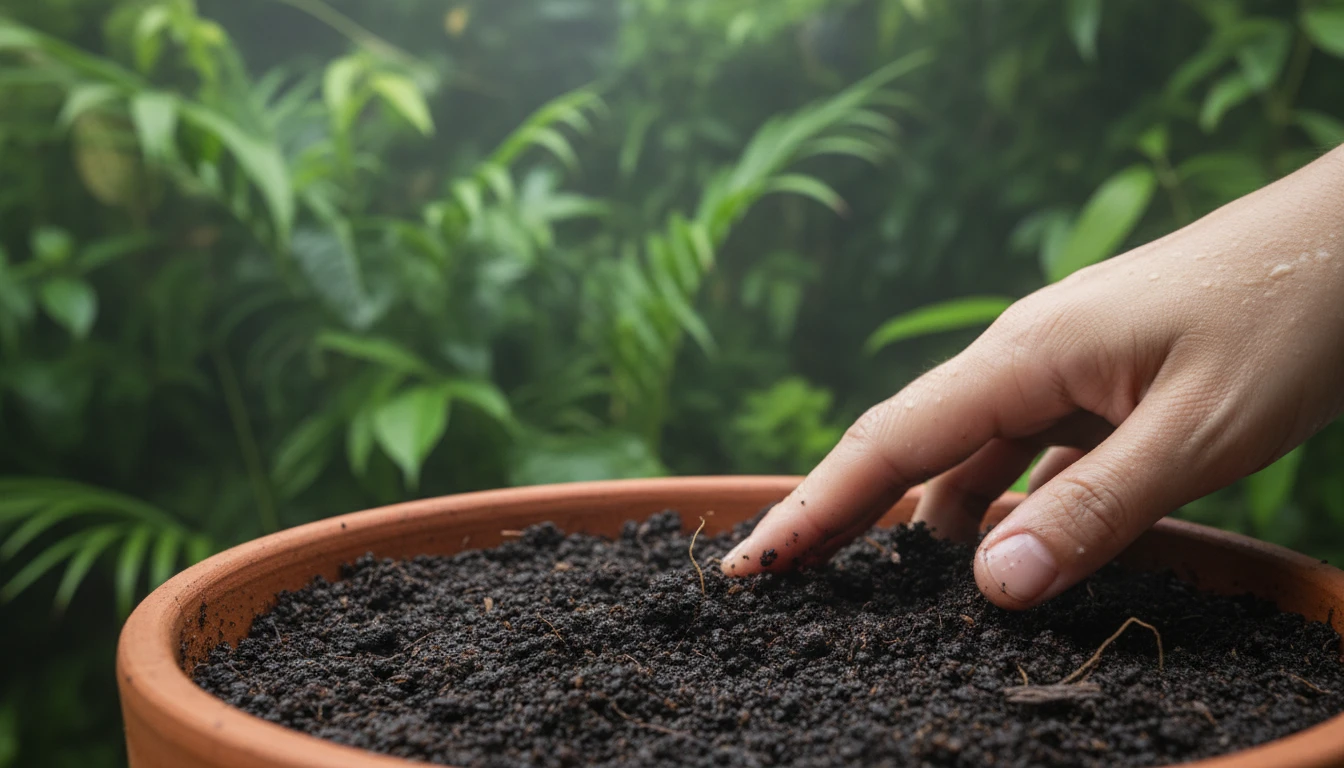
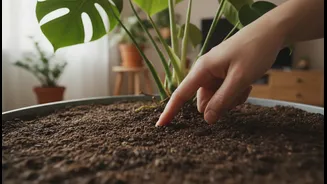
There are several easy, reliable methods to determine if your plant is thirsty. The most popular is the finger test: simply push your index finger about two inches into the soil. If the soil feels dry at that depth, it's likely time to water. For a less messy approach, the chopstick or wooden skewer method works wonders. Think of it like testing a cake; push a skewer deep into the pot, leave it for a moment, and pull it out. If it comes out clean and dry, the soil is dry. If it has moist soil clinging to it, you should wait. Another great technique is the lift test. A pot with dry soil is noticeably lighter than one with moist soil. With experience, you'll be able to tell if it's time to water just by feeling its weight. For more precision, a soil moisture meter can give you a reading from dry to wet on a numbered scale.
Signs of an Overwatered Plant
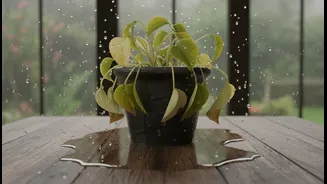
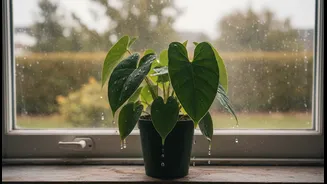
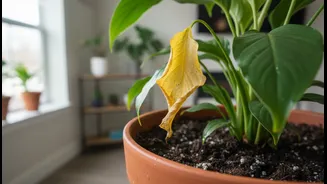
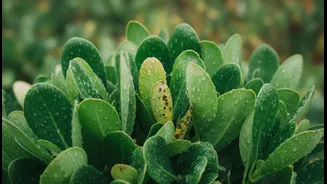
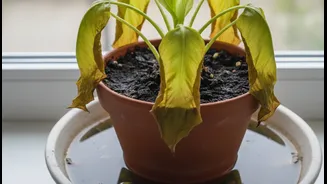
It can be tricky to tell if a plant is getting too much or too little water because some signs, like yellowing and drooping leaves, overlap. However, there are key differences to look for with overwatering. An overwatered plant’s leaves may turn yellow, but they often feel soft and limp, not crispy. You might also see brown spots on the leaves or notice the stem becoming soft and mushy near the soil line. One of the biggest giveaways is the soil itself. If it’s constantly soggy, smells sour, or has mold growing on top, you are definitely overwatering. Standing water in the plant's saucer is another red flag. If you suspect root rot, you may need to gently remove the plant to inspect the roots; healthy ones are firm and light-colored, while rotten ones are dark and soft.
Signs of an Underwatered Plant
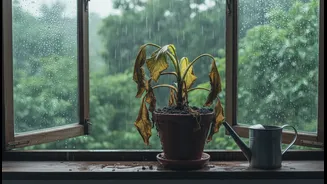
An underwatered plant will also tell you it's in distress. The leaves may wilt and droop, but they will often feel dry and crispy at the edges. Instead of turning uniformly yellow, they might just brown and shrivel. Slow or stunted growth is another common symptom. A very clear sign is the soil pulling away from the sides of the pot, creating a visible gap. When you touch the soil, it will feel bone-dry and dusty. Fortunately, it is generally easier to save an underwatered plant than an overwatered one. A thorough watering will often cause a thirsty plant to perk up relatively quickly.
Remember: Every Plant Is Different
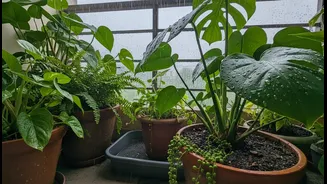
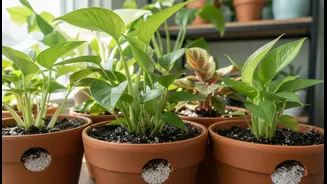
There is no single rule for how often to water because every plant has unique needs. A succulent or cactus, for example, is adapted to arid conditions and needs its soil to dry out completely between waterings. In contrast, a tropical plant like a fern prefers to stay consistently moist. The type of pot also plays a significant role. Terracotta pots are porous and allow soil to dry out much faster than plastic or glazed ceramic pots. As you get to know your plants, pay attention to their individual cues. A little observation combined with a quick soil check is the best formula for success. It's better to be consistent with checking and flexible with your watering routine.