



Nature's Perfect Head Start
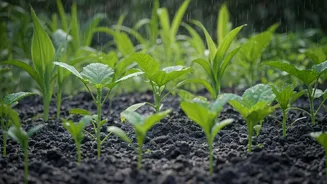
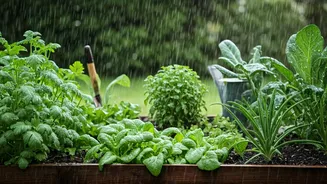
Why is the monsoon such a magical time for new gardeners? It’s simple: nature does most of the heavy lifting. The consistent rain means you don't have to worry constantly about watering, which is often the first hurdle for a beginner. The increased humidity
creates a greenhouse-like effect, helping seeds to germinate faster and young saplings to thrive without the stress of the harsh summer sun. The cloud cover provides a soft, diffused light that is gentle on delicate new leaves. Essentially, the monsoon provides a forgiving environment where small mistakes are less likely to be fatal to your plants, allowing you to learn and grow your confidence alongside your garden.
Easy Vegetables for Your First Harvest
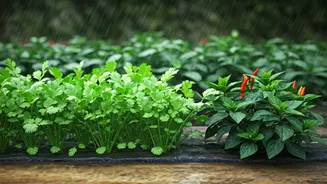
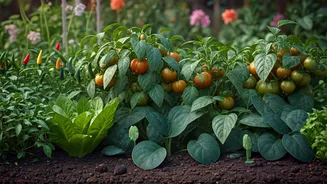
The joy of eating something you've grown yourself is unmatched. The monsoon is an ideal time to start a small vegetable patch. These plants are relatively low-maintenance and love the rainy season.
* Spinach (Palak): This leafy green grows incredibly fast in the monsoon. You can get multiple harvests from the same plants. Just ensure your soil has good drainage to prevent the roots from rotting.
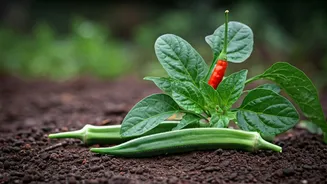
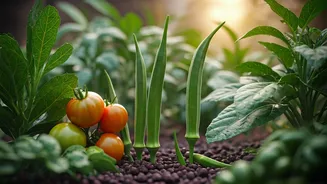
* Lady's Finger (Bhindi): A staple in Indian kitchens, bhindi plants flourish in the warm, humid conditions of the monsoon. They are hardy and produce prolifically.
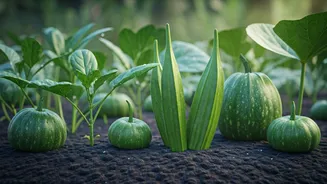
* Gourds (Lauki, Turai): Bottle gourd and ridge gourd are classic monsoon vegetables. As climbers, they can be trained up a wall or trellis, saving space and adding vertical interest to your garden.
* Cucumbers (Kheera): These grow quickly and love the ample water. Growing them on a trellis keeps the fruit off the wet ground and prevents rot.
Bring Home a Riot of Colour
A garden isn't just about food; it's about beauty. Bright flowers can lift spirits, especially on overcast days. Many flowering plants put on their best show during the monsoon.
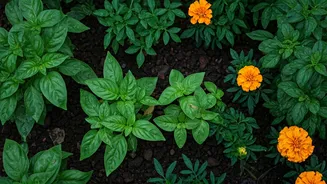
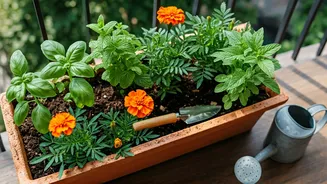
* Marigold (Genda): These cheerful orange and yellow flowers are incredibly easy to grow from seed. They are also natural pest repellents, making them a great companion plant for your vegetables.
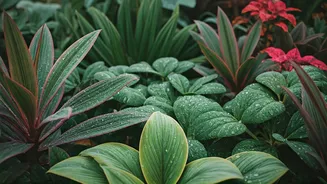
* Balsam (Gulmehendi): Often called the 'monsoon flower', balsam thrives in rainy weather, producing beautiful blooms in shades of pink, red, and purple right on its stem.
* Zinnia: Available in a rainbow of colours, zinnias are tough, love the sun when it peeks out, and handle the rain well. They attract butterflies, adding more life to your garden.
* Hibiscus: While a year-round plant, hibiscus often produces a flush of large, spectacular blooms during the monsoon months.
Avoiding Common Monsoon Pitfalls
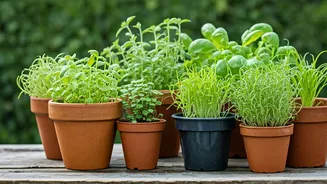
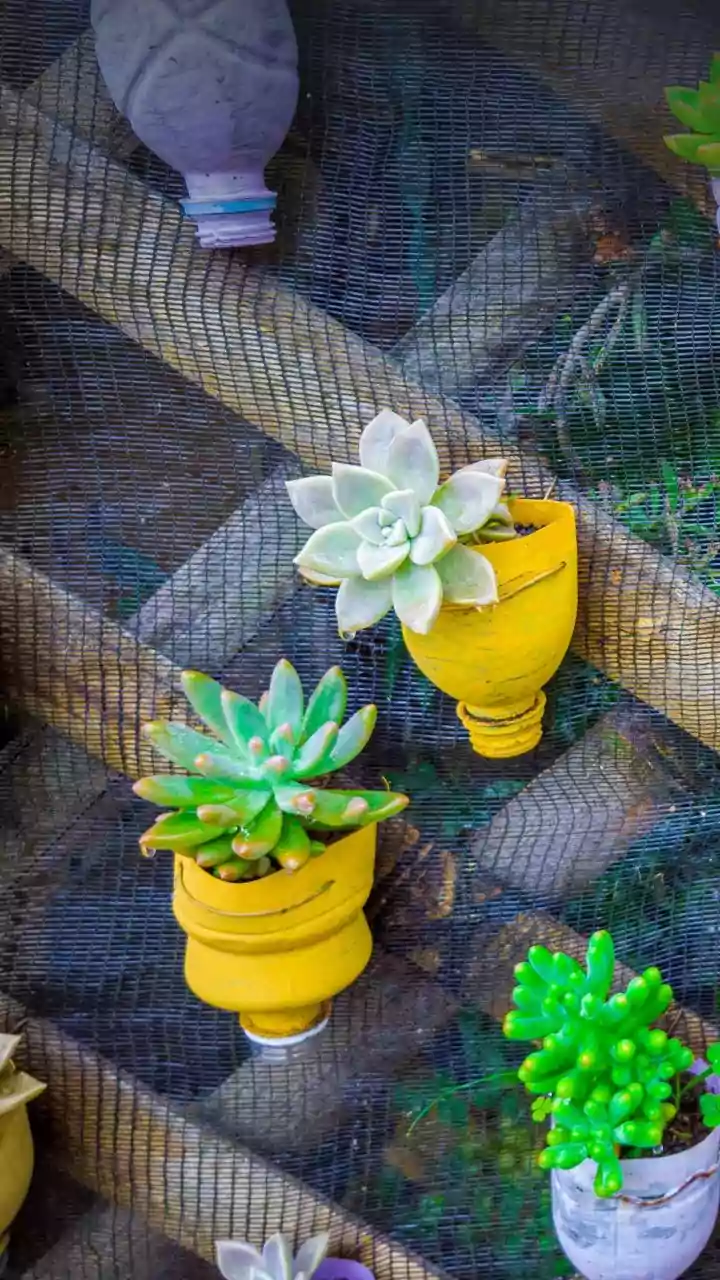
While the monsoon is forgiving, it isn't foolproof. A few simple precautions can save your fledgling garden from common problems. The biggest risk is not underwatering, but overwatering. If you're using pots, ensure they have plenty of drainage holes. You can even add a layer of broken pottery or small stones at the bottom before adding soil. This prevents waterlogging, which can cause root rot. Secondly, the damp conditions can encourage fungal growth and attract pests like slugs and snails. Keep a watchful eye on your plants. Remove any diseased-looking leaves immediately. A simple homemade spray of neem oil mixed with water and a drop of liquid soap is an effective, organic way to keep most pests at bay.