





Understanding the Monsoon Threat
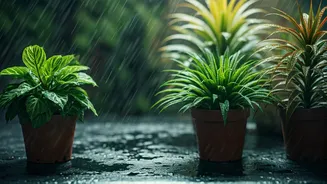
Root rot is a disease that causes a plant's roots to decay. It’s primarily caused by a lack of oxygen in the soil, which happens when it becomes waterlogged. The Indian monsoon creates the perfect storm for this condition indoors. With high humidity in the air,
the soil in pots dries out much more slowly. This prolonged dampness creates an ideal breeding ground for the fungi and bacteria that cause roots to rot. Unlike outdoor plants that might benefit from natural drainage and airflow, potted plants are trapped in their containers, making them highly vulnerable.
Prevention Starts With the Pot and Soil
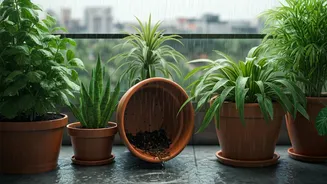
The first line of defence is ensuring your plants are in the right home. Always use pots with drainage holes to allow excess water to escape. Without these, your pot becomes a bucket, and the roots will drown. Equally important is the soil itself. Avoid heavy garden soil, which compacts and retains too much water. Instead, use a light, well-draining potting mix. You can create your own by mixing regular potting soil with ingredients like perlite, cocopeat, or sand. These materials create air pockets, which help roots breathe and allow water to flow through freely.
Mastering the Monsoon Watering Routine
The biggest mistake during the rainy season is sticking to a fixed watering schedule. Your plants simply don't need as much water when the air is already moist. The golden rule is to check the soil before you water. Stick your finger about an inch or two into the soil; if it feels damp, wait another day or two. When you do water, do so in the morning so any excess moisture has a chance to evaporate during the day. It is always better to underwater slightly than to overwater, especially during the monsoon.
Improve Light and Air Circulation
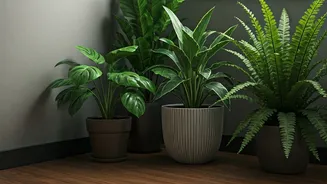
With overcast skies, sunlight can be scarce. Move your plants to the brightest possible location, like a south-facing window, to help the soil dry out and to support photosynthesis. Good air circulation is another critical, often-overlooked factor. Stagnant, humid air traps moisture on leaves and soil, encouraging fungal growth. Ensure there is adequate space between your plants and consider running a small fan on low for a few hours a day to mimic a natural breeze. This strengthens stems, prevents pests, and helps regulate humidity around the plant.
How to Spot the Early Danger Signs
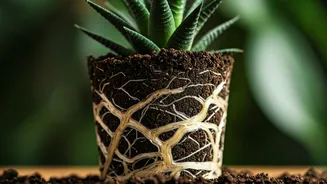
Root rot often shows its first signs above ground. Be vigilant for leaves that are turning yellow, especially the lower ones. A key symptom is a plant that looks wilted and thirsty even though the soil is wet. This indicates the roots are no longer able to absorb water. You might also notice stunted growth or a musty, foul smell coming from the soil. To be certain, you'll need to gently remove the plant from its pot and inspect the roots. Healthy roots are typically white and firm, while rotten roots will be brown or black, soft, and mushy to the touch.
Emergency Care: Treating Root Rot
If you've confirmed root rot, you must act quickly, though it's not always possible to save the plant. First, carefully remove the plant and wash away all the old soil from the roots. Using a clean, sterilized pair of scissors or shears, trim away all the dark, mushy roots, leaving only the healthy, firm white ones. If a significant portion of the roots were removed, you should also prune back about a third of the plant's leaves. This reduces the stress on the remaining roots. Finally, repot the plant in a clean pot with fresh, well-draining soil. Water it very lightly and monitor it closely, only watering again when the soil has dried out.