




Embrace the Living Soil Foundation
A thriving organic garden starts from the ground up. Your pots aren't just holding plants; they're housing a miniature world. Forget sterile, lifeless soil and instead build a rich foundation. Start with a high-quality, organic potting mix that is light
and well-draining. Enhance this by mixing in generous amounts of compost or vermicompost (worm castings). This 'black gold' is teeming with beneficial microbes that feed your plants slowly and consistently, building strong roots and healthy foliage. Unlike synthetic fertilizers that deliver a sudden, harsh jolt of nutrients, compost releases them gradually, eliminating the risk of 'chemical scorch' where an excess of salts burns the plant's delicate roots. Think of it as providing a wholesome, home-cooked meal for your plants, rather than a blast of sugary energy.
Feed Your Plants, Naturally
Once your living soil is in place, you’ll want to supplement it as your plants grow. Your kitchen is a fantastic source for creating gentle, effective liquid fertilizers. Banana peels, rich in potassium, can be soaked in water for a day or two to create a nutrient tea that encourages flowering and fruiting. The water from boiling eggs, once cooled, provides a calcium boost. Even used coffee grounds, sprinkled sparingly on the soil of acid-loving plants, can offer a nitrogen lift. For a more potent brew, you can create a 'compost tea' by steeping a few handfuls of compost in a bucket of water for 24 hours. This liquid feed nourishes both the plant and the soil's microbial life, reinforcing the entire ecosystem without the burn risk of chemical concentrates.
The Power of Smart Partnerships
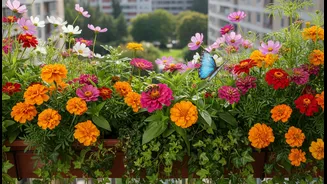
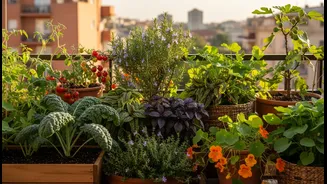
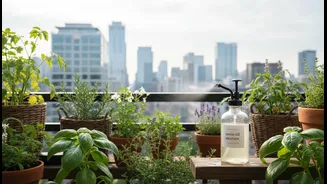
Companion planting is a cornerstone of creating a self-regulating balcony ecosystem. This age-old technique involves pairing plants that help each other thrive. For instance, planting basil next to your tomatoes is known to repel pests like aphids and whiteflies. Marigolds are a balcony gardener's best friend; they release a substance that deters nematodes in the soil and keeps many flying insects at bay. Planting aromatic herbs like mint (in its own pot, as it's invasive), rosemary, or lavender not only provides fresh ingredients for your kitchen but also confuses and repels pests with their strong scents. These pairings reduce the need for any intervention, creating a beautiful, functional, and largely self-sufficient garden.
Welcome Nature's Pest Patrol
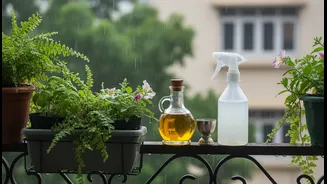
When pests inevitably appear, resist the urge to grab a chemical spray. The most powerful tool in an Indian organic gardener's arsenal is neem oil. Derived from the neem tree, its active compound disrupts the feeding and life cycle of common pests like aphids, mealybugs, and spider mites without harming beneficial insects. A simple mixture of 5ml of neem oil and a few drops of mild liquid soap (as an emulsifier) in a litre of water is a highly effective spray. Apply it in the early morning or evening to avoid leaf burn. For visible pests like mealybugs, a cotton swab dipped in rubbing alcohol can dissolve their waxy coating on contact. By using these targeted, gentle methods, you manage problems without waging a chemical war on your balcony.
The Art of Mindful Watering
Proper watering is crucial and often misunderstood. Chemical scorch is more likely when plants are stressed, especially from drought. Overwatering, on the other hand, can lead to root rot and create a breeding ground for pests like fungus gnats. The key is to water deeply but infrequently. Always check the soil; water only when the top inch or two feels dry. When you do water, do so thoroughly until it runs out of the drainage holes. This ensures the entire root ball is hydrated and helps flush out any mineral salts that may naturally accumulate. Always water the soil, not the leaves, to prevent fungal diseases that can weaken plants and make them more susceptible to pests. This consistent, mindful practice keeps your plants resilient and healthy from the roots up.