



Beyond the 'Magic Bullet' Snack
We’ve all been there: scrolling through the internet for a single snack that will undo the damage of a less-than-perfect diet. The idea of a 'magic bullet' food is tempting, but experts increasingly agree that this approach is flawed. Focusing on one
'superfood' or a single healthy recipe can create a cycle of restriction and disappointment. More importantly, it overlooks the most crucial factor in cardiovascular health: your overall dietary pattern. A handful of almonds, while healthy, cannot compensate for a daily habit of consuming highly processed foods, sugary drinks, and excess sodium. True heart health is a game of averages, where the sum of your choices over weeks and months matters far more than any single meal or snack.
Thinking in Patterns, Not Pieces
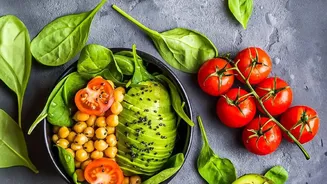
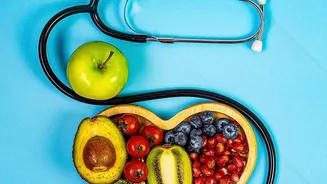
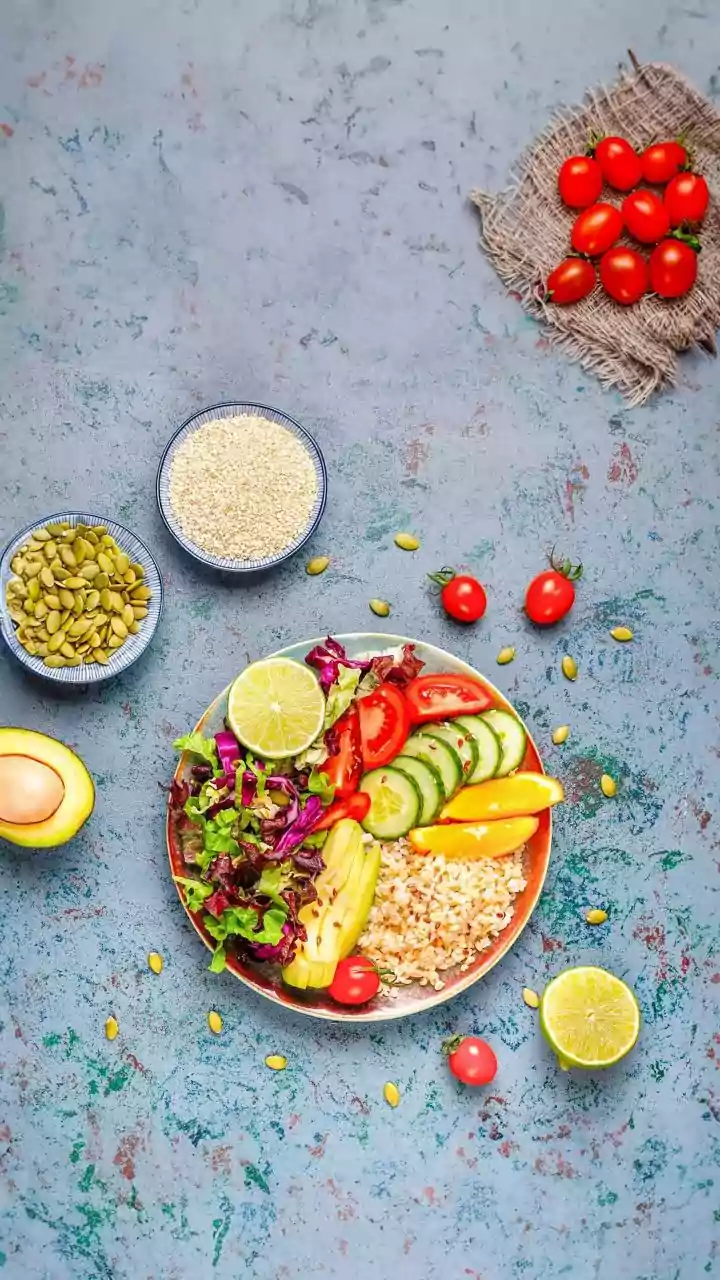
So, what is a dietary pattern? Think of it as the big picture of your eating habits. It’s the consistent combination of foods and beverages you consume daily. Recent scientific statements from organisations like the American College of Cardiology emphasise that focusing on these broad patterns is key to maintaining heart health. Diets like the Mediterranean or DASH (Dietary Approaches to Stop Hypertension) are consistently recommended because they represent a pattern, not a rigid set of rules. These patterns prioritise vegetables, fruits, whole grains, nuts, legumes, and healthy protein sources like fish, while limiting refined starches, added sugars, sodium, and highly processed foods. The focus shifts from vilifying individual nutrients like fats or carbs to assessing the overall quality and source of your food.
Pillars of Heart-Smart Snacking
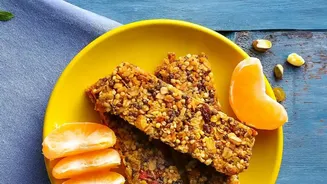
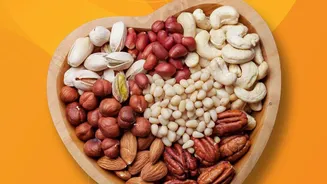
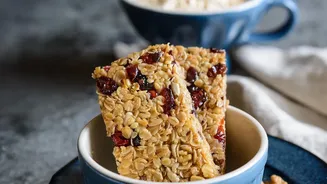
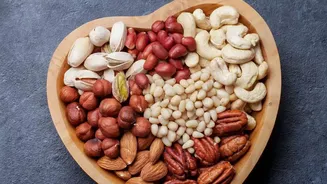
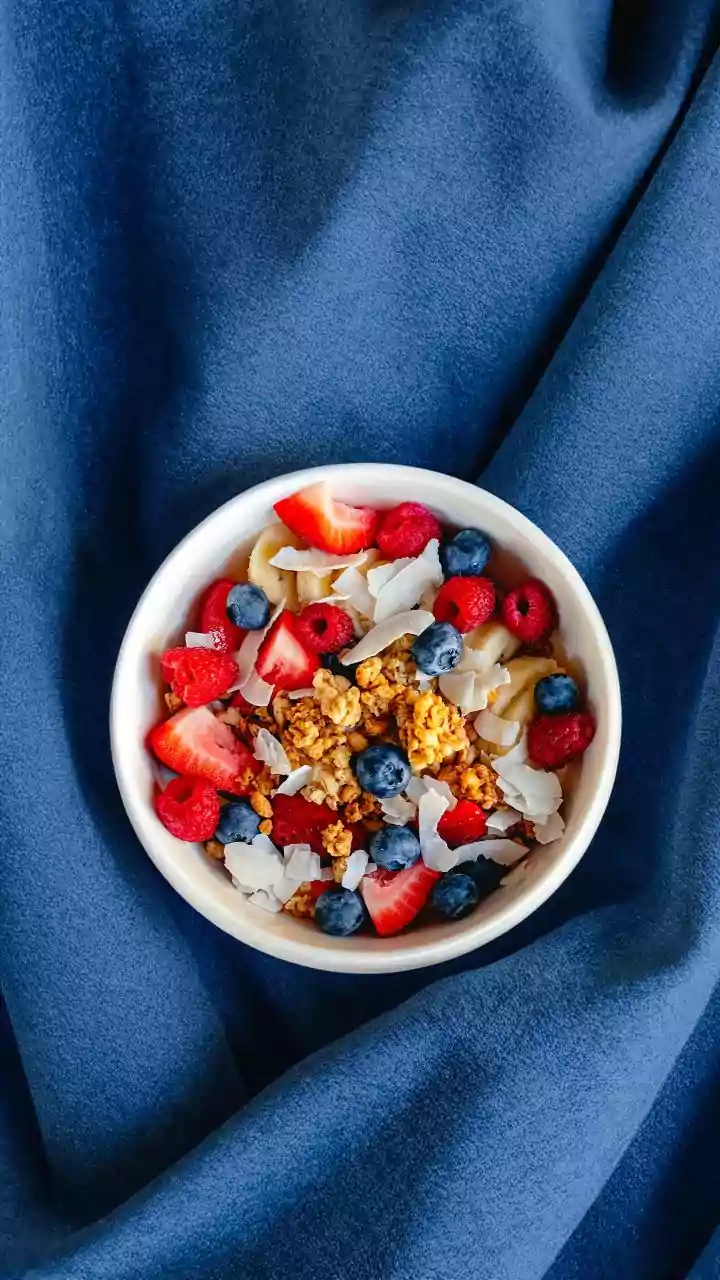
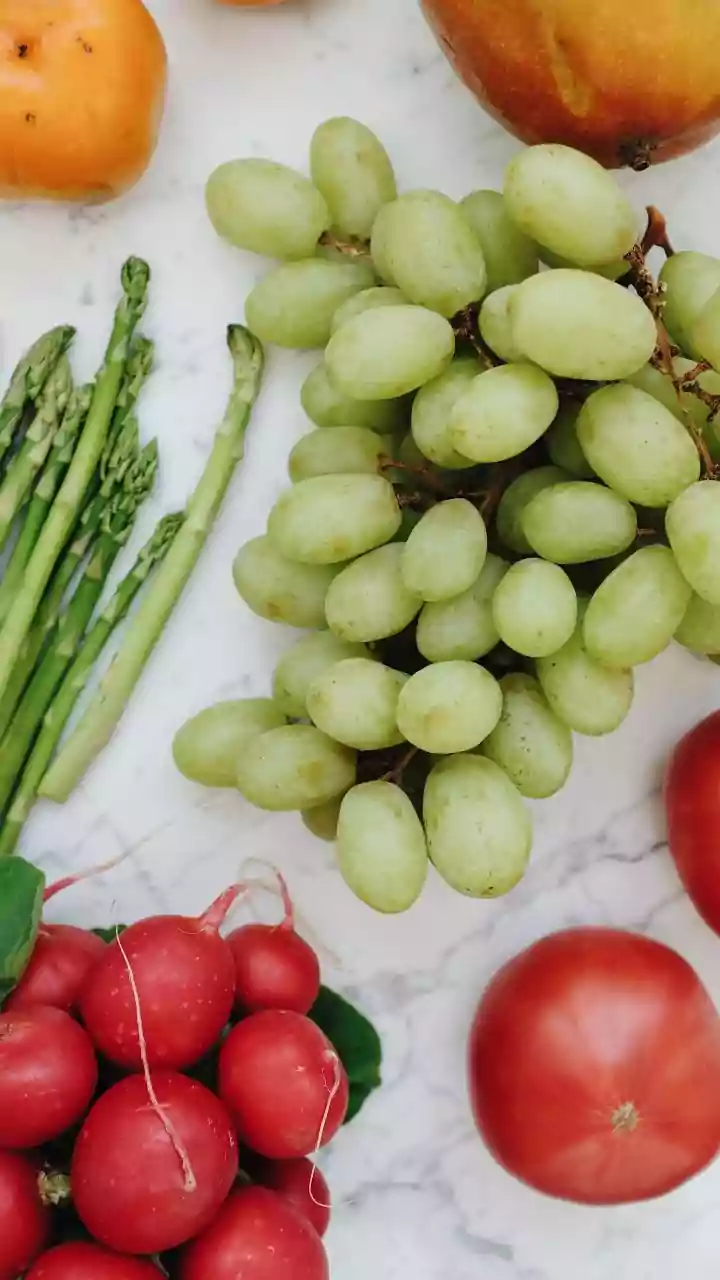
Applying this pattern-based approach to snacking doesn't mean you can never enjoy a treat. It's about making conscious choices most of the time. A heart-healthy snacking habit is built on a few key pillars. First, prioritise whole and minimally processed foods. Think an apple with peanut butter, a handful of unsalted nuts, or roasted chickpeas. Dietitians often recommend pairing a complex carbohydrate with a lean protein and a healthy fat to keep you feeling full and satisfied. Second, be mindful of hidden culprits like sodium and added sugar, which are abundant in packaged snacks like chips, cookies, and even seemingly healthy granola bars. Reading the nutrition label is a critical skill. Finally, don't forget fibre. Foods rich in fibre, like fruits, vegetables, and whole grains, are cornerstones of a heart-protective diet.
Simple Swaps for Indian Kitchens
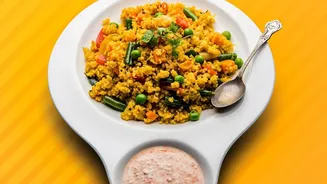
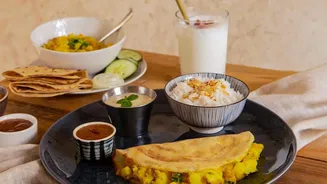
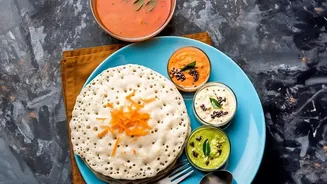
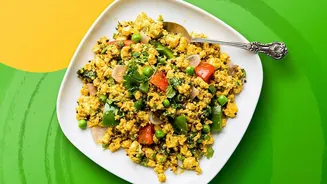
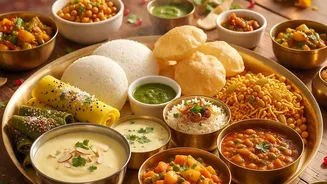
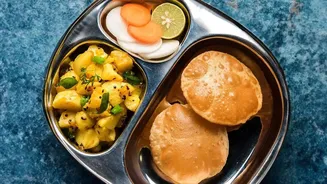
Integrating these principles into a traditional Indian diet is entirely achievable. It's not about giving up beloved foods but making smarter preparations and swaps. Instead of a deep-fried samosa or pakora, consider their baked or air-fried counterparts. Choose whole grains like ragi, jowar, or whole wheat for rotis and other staples. A bowl of dal, rich in plant-based protein, or a serving of roasted chana makes for an excellent, filling snack. When you crave something crunchy, instead of packaged namkeen high in salt and unhealthy fats, try making a batch of roasted makhana (fox nuts) at home with minimal salt. Swap sugary, milky tea for unsweetened options or flavour your water with mint and lemon. These small, consistent changes align with a heart-healthy pattern without sacrificing cultural food traditions.
It's About the Why and When
The context of your snacking matters just as much as the content. Experts encourage 'mindful munching'. Before reaching for a snack, ask yourself if you are genuinely hungry or just bored, stressed, or thirsty. Sometimes, a glass of water is all you need. Planning is another powerful tool. If you know you get hungry mid-afternoon, packing a healthy option from home can help you avoid the temptation of vending machine snacks or fried street food. By setting up your environment for success—stocking your pantry with fruits, nuts, and yogurt—you make the healthy choice the easy choice. Ultimately, snacking should be a conscious act to fuel your body between meals, not a mindless habit that undermines your health goals.