


A Mission of Unprecedented Ambition
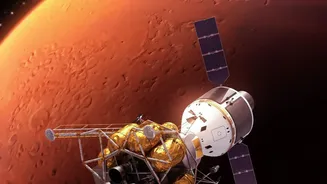
The Mars Sample Return (MSR) campaign is arguably one of the most complex robotic endeavors ever attempted. The original, multi-part plan, formulated in partnership with the European Space Agency (ESA), is a breathtaking display of engineering. It begins
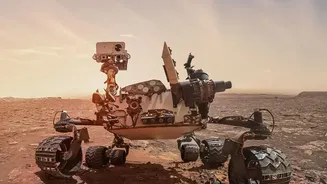
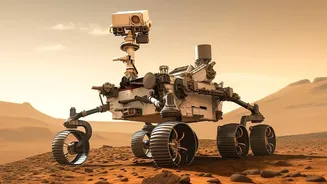
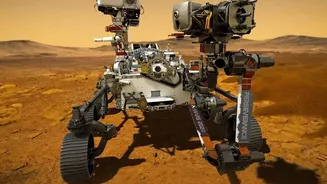
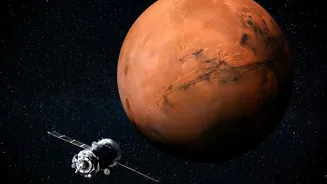
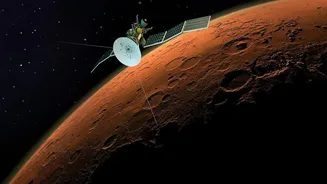
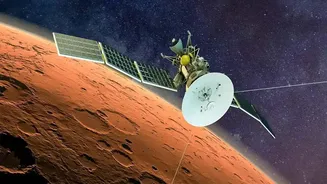
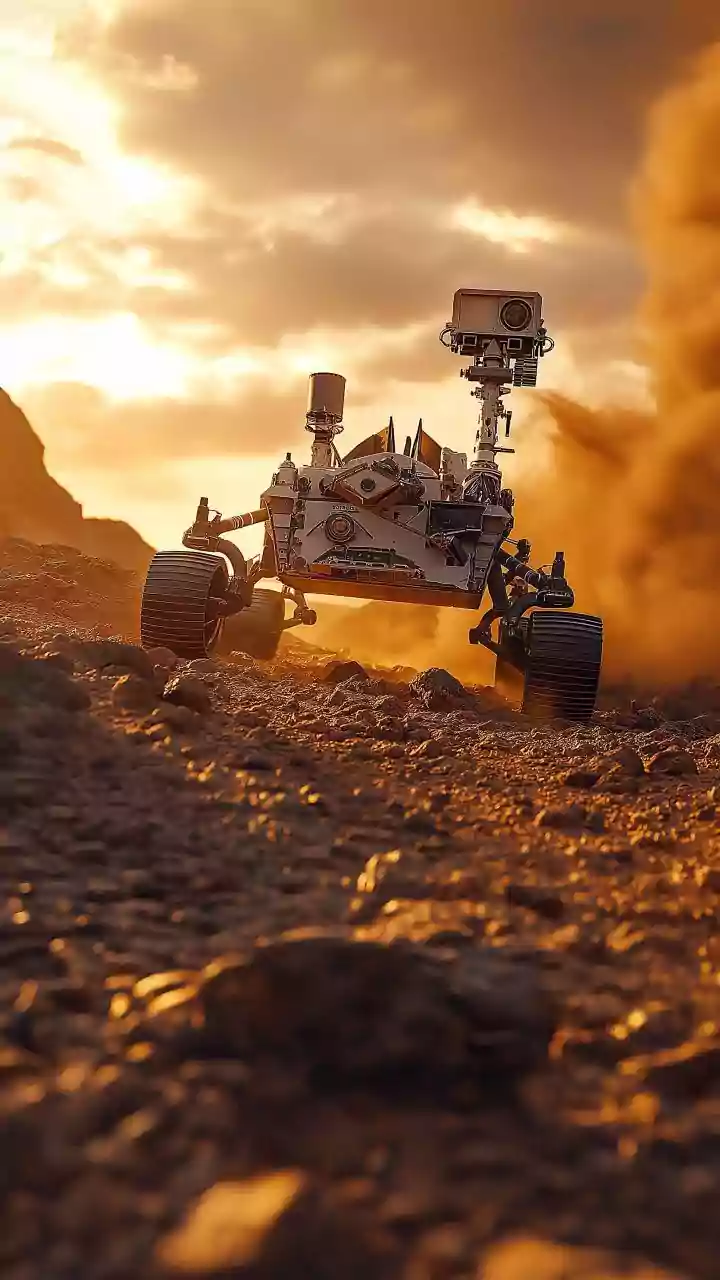
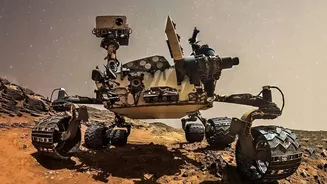
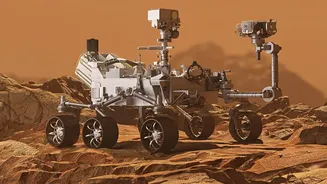
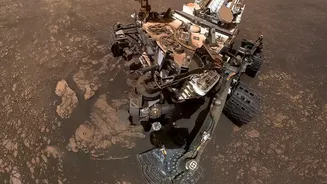
with the Perseverance rover, which has been dutifully collecting and caching scientifically compelling rock and soil samples in cigar-sized tubes on the Martian surface since 2021. The next step was to involve a Sample Retrieval Lander carrying a small 'fetch' rover to collect the tubes. These samples would then be loaded into a Mars Ascent Vehicle (MAV), which would launch them into orbit around Mars — a first from another planet's surface. Finally, an Earth Return Orbiter built by ESA would capture the orbiting sample container and begin the long journey home.
A Budget Spiraling Out of Orbit
While the plan was technically awe-inspiring, its financial and logistical feasibility came under intense scrutiny. An independent review board concluded that the mission, as initially designed, was based on unrealistic budget and schedule expectations. Original cost estimates in the low billions quickly ballooned. A 2023 review projected the total price tag could soar to between $8 billion and $11 billion, with the samples not arriving on Earth until 2040. NASA Administrator Bill Nelson called this timeline 'unacceptable', noting that the agency plans to be landing astronauts on Mars in the 2040s. The rising costs threatened to 'cannibalize' funding for other vital science missions within NASA's portfolio, prompting a hard reset.
Back to the Drawing Board
In response to the review board's findings, NASA has effectively paused the existing MSR program to find a faster, cheaper, and more achievable path forward. In early November 2026, the agency announced a new initiative called the Perseverance Sample Retrieval Architecture (PSRA). This new effort will officially kick off in January 2027 with the goal of developing impartial recommendations and a new high-level mission design by the end of the year. NASA is calling for fresh ideas from its own centers and from commercial industry partners to develop a plan that could return the samples in the 2030s for a more manageable cost, perhaps under $7 billion.
Why Martian Rocks Are Worth the Effort
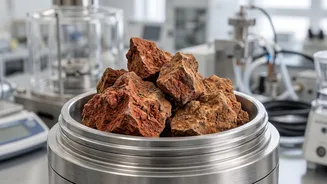
The immense challenge and expense of MSR begs the question: why is it so important? While rovers on Mars can perform incredible science, the instruments they carry are limited by size and power. Bringing samples to Earth allows scientists to use the most sophisticated laboratories in the world to search for definitive evidence of past microbial life. Analyzing these samples could revolutionize our understanding of how rocky planets like Earth form and evolve. Scientists could precisely date the rocks, creating a timeline for when water flowed on Mars and whether it coincided with the origin of life on our own planet. The samples will also be a priceless resource for future generations, available for study with technologies not yet invented, much like the Apollo Moon rocks still yield new discoveries today.
A New Kind of Space Race?
Adding a layer of geopolitical urgency is the progress of other nations. China is moving forward with its own ambitious Mars sample return mission, Tianwen-3, which aims to launch around 2028 and return samples by 2031. This has been described by some as a potential 'Sputnik moment', putting pressure on NASA to maintain its leadership role in planetary exploration. While the path forward for America's sample return effort is being redrawn, the precious samples collected by Perseverance wait patiently in their tubes, holding secrets of an ancient world just waiting to be told.