
The Two Types of Iron
Not all iron is created equal. The mineral comes in two primary forms: heme and non-heme. Heme iron, found in animal products like meat, poultry, and fish, is easily absorbed by the body. Non-heme iron, however, is the type found in plant-based sources
like lentils, beans, spinach, and whole grains. While abundant in a vegetarian diet, non-heme iron is notoriously less bioavailable, meaning our bodies struggle to absorb it efficiently. This is because plant-based foods often contain compounds called phytates and polyphenols, which can bind to iron and inhibit its absorption. This presents a common challenge, especially in a country like India where plant-based diets are prevalent.
Vitamin C: The Master Key for Iron Absorption
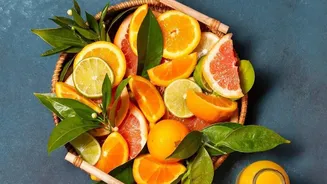
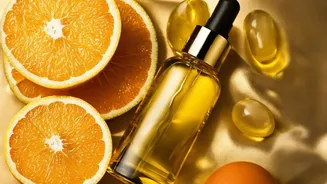
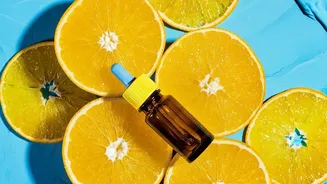
This is where Vitamin C, or ascorbic acid, works its magic. Think of it as a key that unlocks non-heme iron, making it more available to your body. When you consume Vitamin C along with an iron-rich plant food, it performs two crucial actions. First, it helps convert the iron into a form that your intestines can more easily absorb. Second, it forms a protective complex around the iron, preventing it from binding to inhibitors like phytates. The results can be dramatic. Studies have shown that adding Vitamin C to a meal can increase non-heme iron absorption significantly, with some research indicating a boost of 67% or even more, depending on the meal's composition. Essentially, this simple addition ensures that the valuable iron in your food actually makes it into your system.
Smart Pairings for the Indian Kitchen
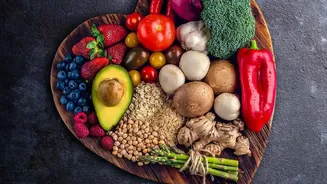
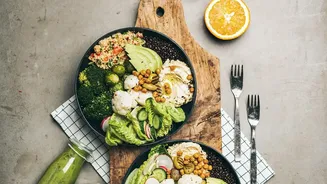
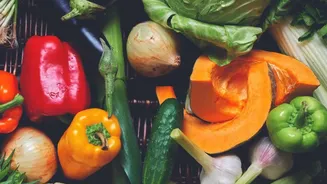
Integrating this nutritional strategy into your daily meals is simple and delicious, as many traditional Indian food combinations already do this naturally. Here are some powerful pairings to maximize your iron intake: Dal with a Squeeze of Lemon: Lentils are an iron powerhouse. Squeezing fresh lemon juice over your bowl of dal or sambar before eating provides the Vitamin C needed to unlock that iron. Palak Paneer with Tomatoes: Spinach is rich in iron, but also contains oxalates that can hinder absorption. The tomatoes that form the base of the gravy are an excellent source of Vitamin C, helping to counteract this effect and boost iron uptake. Chole with Onions and Amla Chutney: Chickpeas (chole) are a fantastic source of iron. Pairing them with a classic onion-tomato masala already helps, but adding a side of amla (Indian gooseberry) chutney, which is packed with Vitamin C, takes it to the next level. Ragi Dosa with Tomato Chutney: Millets like ragi are gaining popularity for their nutritional benefits, including iron content. Serving ragi dosa or roti with a fresh tomato chutney is a perfect way to ensure you absorb more of that essential mineral. * Soybean Sabzi with Bell Peppers: Tofu or soybean chunks are great plant-based proteins full of iron. Cooking them in a sabzi with colourful bell peppers (shimla mirch), which are exceptionally high in Vitamin C, creates a highly effective combination.
A Note on What to Avoid with Meals
Just as some foods enhance iron absorption, others can hinder it. The main culprits are tannins, which are found in tea and coffee. These compounds can significantly reduce your body's ability to absorb iron from your meal. This doesn't mean you have to give up your beloved chai or filter coffee. The solution is simple timing. Try to enjoy your tea or coffee at least an hour before or after your main meals rather than with them. This small gap gives your body enough time to absorb the iron without interference. Similarly, while calcium is an important mineral, high-dose calcium supplements taken with meals can also modestly inhibit iron absorption, so it's best to take them at a different time of day.