






Start with a Gentle Cleanse
The first step to combating monsoon stickiness is a thorough cleanse. Increased humidity means more sweat, oil, and environmental pollutants cling to your skin. Use a gentle, non-stripping cleanser twice a day to remove this buildup without disturbing
your skin's natural moisture barrier. Over-washing or using harsh, sulfate-heavy soaps can backfire, stripping the skin and causing it to produce even more oil to compensate. Look for gel-based or light foaming cleansers. For a deeper clean in the evening, especially if you wear sunscreen or makeup, consider double cleansing—starting with an oil-based cleanser to dissolve impurities, followed by your regular water-based face wash.
Exfoliate, but Don’t Overdo It
Humidity can accelerate the buildup of dead skin cells, leading to clogged pores, dullness, and breakouts. Gentle exfoliation is key to keep your skin clear and smooth. Opt for chemical exfoliants like Alpha Hydroxy Acids (AHAs) or Beta Hydroxy Acids (BHAs) a few times a week. Salicylic acid, a BHA, is particularly effective as it's oil-soluble and can penetrate deep into pores to dissolve sebum and debris. This helps prevent the congestion that thrives in damp weather. Avoid harsh physical scrubs, which can irritate already reactive skin. Limit exfoliation to once or twice a week to avoid weakening your skin barrier.
Layer with Lightweight Serums
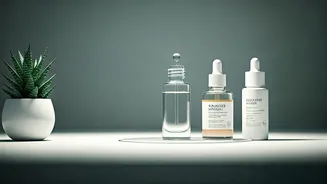
Heavy creams can feel suffocating in humid weather. Instead, turn to lightweight, water-based serums to deliver active ingredients. A standout ingredient for monsoon skin is niacinamide (a form of Vitamin B3). It's a multi-tasking hero that helps regulate oil production, minimise the appearance of pores, and reduce inflammation and redness. Other beneficial ingredients include hyaluronic acid for hydration without greasiness and antioxidants like Vitamin C to brighten dull skin and protect against environmental damage. Tea tree oil is another great option for its natural antibacterial properties that help manage acne.
Don't Skip the Moisturiser
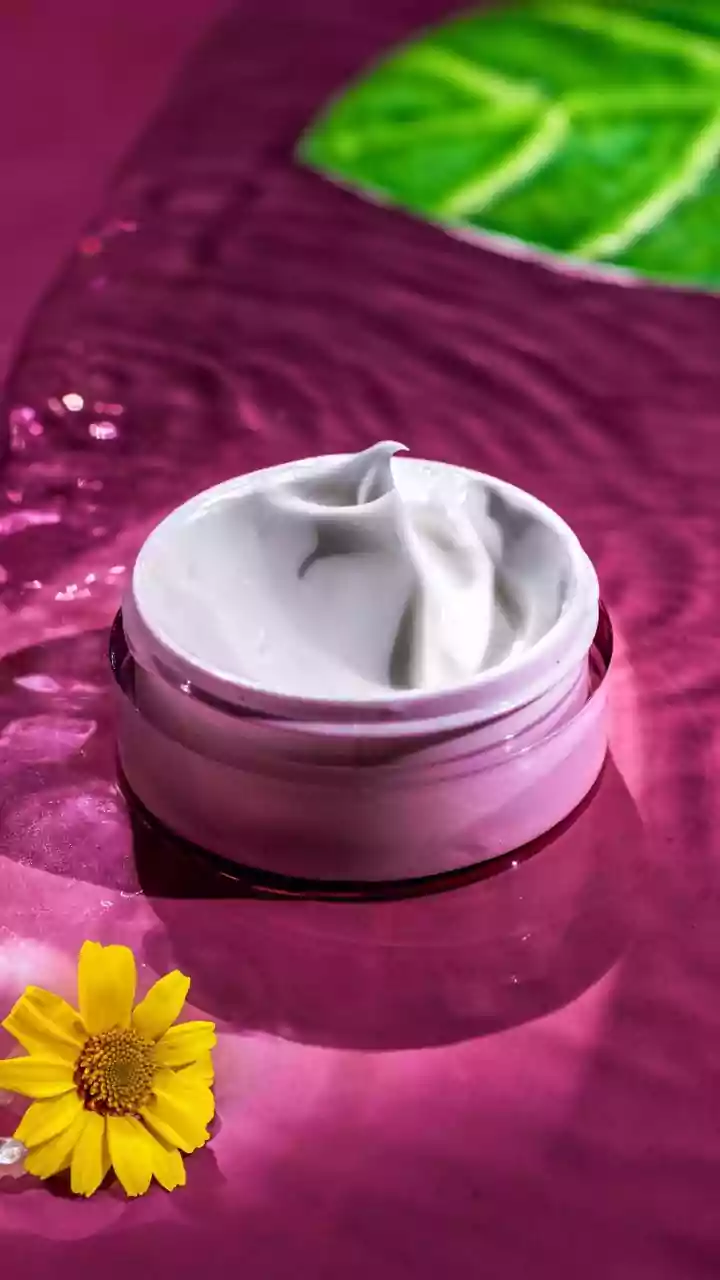
It might seem counterintuitive to moisturise when your skin already feels oily, but skipping this step is a common mistake. Dehydrated skin can overcompensate by producing more oil. The trick is to switch from heavy creams to lightweight, oil-free, and non-comedogenic formulas that won't clog your pores. Look for gel-based or water-based moisturisers containing ingredients like hyaluronic acid and glycerin, which hydrate the skin by attracting and holding onto water. This keeps your skin balanced and hydrated without adding extra shine.
Protect with a Matte Sunscreen
Sun protection is non-negotiable, even on cloudy, rainy days. UV rays can easily penetrate cloud cover and cause significant skin damage, including premature ageing and pigmentation. The challenge during the monsoon is finding a sunscreen that doesn't feel like a greasy mask. Opt for an oil-free, gel-based, or matte-finish sunscreen with at least SPF 30. These modern formulas are designed to absorb quickly without leaving a sticky residue, providing essential protection while helping to control shine throughout the day. Reapply every few hours if you are sweating or outdoors for extended periods.
Weekly Rituals for Extra Care
Incorporate a weekly clay mask into your routine to give your skin a detoxifying boost. Masks containing kaolin or bentonite clay are excellent for absorbing excess oil, drawing out impurities from pores, and preventing breakouts. Using a mask once or twice a week can help maintain clarity and keep that mid-day oil slick at bay. It’s a simple treatment that provides a spa-like refresh and helps your skin better cope with the challenges of the season.