




The New Call of the Wild
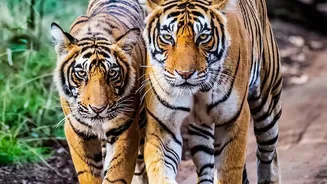
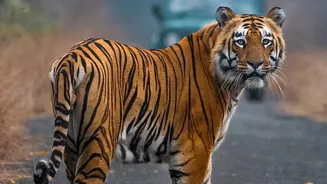
Wildlife tourism in India has long been synonymous with the quest for the Royal Bengal tiger. While that thrill remains, the definition of a 'safari' is expanding. Travellers are now seeking out more unique and diverse wildlife encounters that go beyond
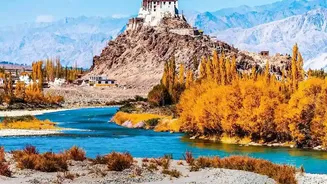
the iconic striped cat. In the high-altitude deserts of Ladakh, patient trekkers search for the elusive snow leopard, often called the 'ghost of the mountains'. The dense forests of Kabini in Karnataka offer the rare chance to spot a melanistic leopard, or black panther. Meanwhile, the waterways of West Bengal's Sundarbans provide a completely different experience: a silent boat safari through mangrove creeks in search of swimming tigers and Gangetic dolphins. This shift is not just about spotting different animals; it's about appreciating diverse ecosystems, from the grasslands of Assam, home to the one-horned rhinoceros, to the coastal waters of Odisha, where Olive Ridley turtles nest in their thousands. This new approach focuses on responsible, immersive experiences like walking safaris in Satpura or community-led conservation projects in Panna, offering a deeper connection to India's incredible biodiversity.
The Heartbeat of the Village
A powerful trend reshaping Indian travel is the turn towards its rural heartland. Modern travellers, particularly younger generations, are moving away from standardized hotel stays and towards authentic cultural immersion. This has fuelled the rise of village tourism and homestays, where the experience is the destination. Instead of just seeing a place, visitors can live it—staying with local families, participating in daily chores, and learning traditional arts directly from artisans. In places like Rajasthan, you can learn block-printing or pottery, while in Kerala, you might try your hand at coir weaving. These homestays are more than just accommodation; they are a bridge between urban and rural India, allowing for genuine cultural exchange. This model benefits everyone: travellers get a meaningful, memorable experience, and local communities gain a sustainable source of income that preserves their culture rather than commercializing it.
The Rise of Agritourism
A delicious subset of rural travel, agritourism is booming as people become more curious about where their food comes from. Farm stays across the country are inviting guests to reconnect with the land in a tangible way. In the hills of Punjab or the valleys near Pune, you can wake up to the rhythms of a working farm. Experiences range from milking cows and picking fresh vegetables for your lunch to participating in guided walks that explain organic farming practices. Maharashtra's Konkan coast offers stays in mango and cashew orchards, while the region around Nashik provides a chance to stay at vineyards. These getaways are not about roughing it; many farm stays offer comfortable, modern cottages. The luxury here is not opulence, but simplicity: eating farm-to-table meals, breathing fresh air, and learning about sustainable agriculture firsthand.
Adventure and Adrenaline
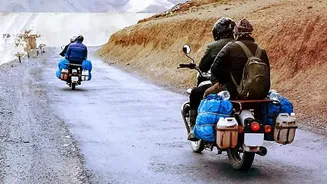
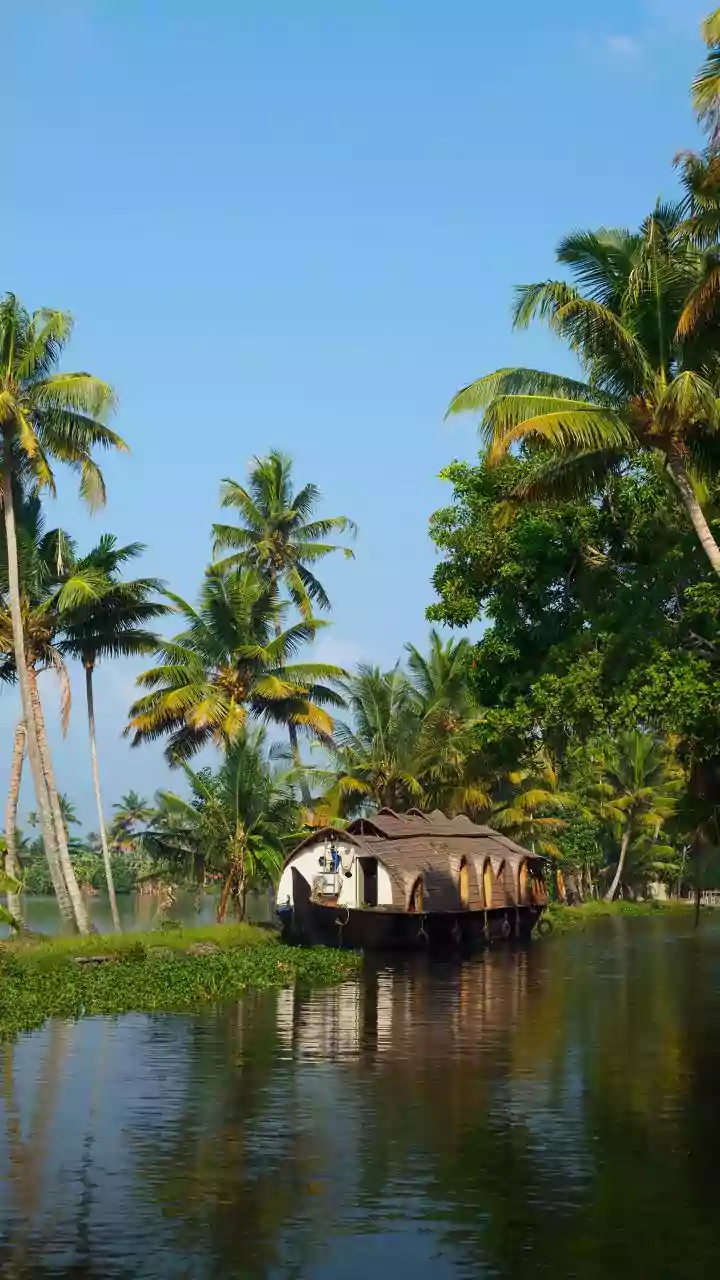
The spirit of adventure in India is also finding new playgrounds. While Himalayan treks and rafting in Rishikesh remain popular, the definition of adventure travel is broadening. Tourists are now seeking out everything from desert safaris in Rajasthan and cycling tours through rural landscapes to horse-riding experiences. The focus is shifting towards smaller, guided groups that offer a more intimate and sustainable way to explore. Water sports are a major draw, with activities like kayaking and canoeing in the tranquil backwaters of Kerala or exploring pristine rivers in the Northeast. The government has also been promoting new adventure hubs, highlighting the country's diverse topography. This trend reflects a desire not just for an adrenaline rush, but for an active way to engage with India’s stunning natural landscapes.
Journeys for the Soul
India has long been a global centre for spiritual and wellness tourism, but this segment is also evolving. Beyond traditional pilgrimage circuits, there's a growing demand for dedicated wellness retreats that focus on yoga, meditation, and holistic healing. Destinations like Rishikesh continue to attract global seekers, but new centres are emerging across the country, from the mountains of Himachal Pradesh to the serene coasts of Tamil Nadu. These retreats offer structured programs that allow travellers to disconnect from their hectic lives and focus on mental and physical well-being. This reflects a larger global shift towards travel that offers personal transformation and rejuvenation, a need that India, with its deep-rooted wellness traditions, is uniquely positioned to meet.