


The Challenge of Festive Abundance
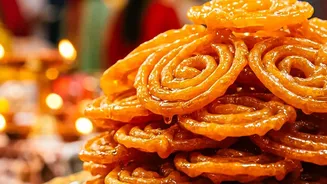
The festival of lights brings with it a delightful wave of sweets, gifts, and decorations. Every home is filled with generosity and cheer. However, in the days following the celebration, we are often left with more than we can consume or use. Boxes of mithai,
duplicate gifts, and single-use decorations contribute to a cycle of waste. But the solution isn't to celebrate with less; it's to celebrate with more intention. By thoughtfully managing this festive overflow, we can reduce our environmental impact and extend the joy of giving. Creating a zero-waste Diwali is not about restriction, but about resourcefulness and respect for both our traditions and our planet.
Smart Storage for Sweets and Savouries
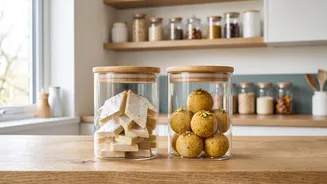
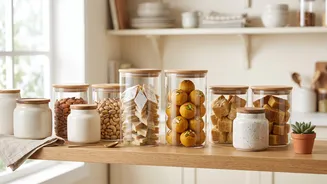
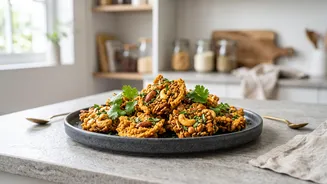
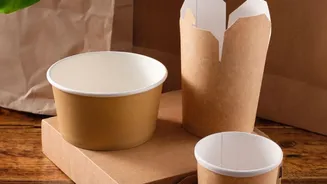
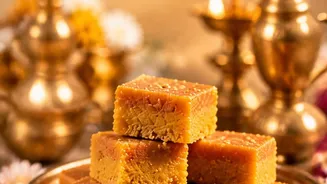
One of the biggest sources of waste is food spoilage. To keep your Diwali treats fresh for longer, proper storage is key. Begin by separating dry snacks from moist sweets to prevent them from becoming soggy. Dry items like chakli, sev, and mathri should be kept in airtight containers at room temperature, where they can last for several weeks. Milk-based sweets such as barfi, peda, and kalakand are more perishable and must be refrigerated, ideally consumed within four to five days. For longer-term preservation, consider freezing items like laddoos and certain types of barfi. When storing, use parchment paper to separate layers and prevent sticking. This not only preserves their texture and shape but also makes them ready to serve when unexpected guests arrive.
The Art of Sharing and Upcycling Gifts
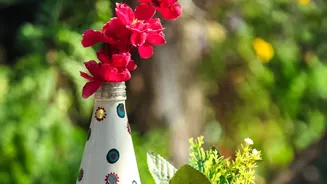
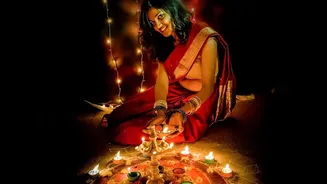
Receiving multiple boxes of the same dry fruits or a surplus of decorative items is a common Diwali experience. Instead of letting them gather dust, embrace the art of sharing. If you have unopened, non-perishable food items, consider donating them to a local shelter or community pantry. This extends the festive spirit to those in need. For other gifts, think creatively. Beautifully decorated boxes or tins can be repurposed for home storage. Excess diyas can be cleaned and used as unique serving dishes for starters or as tealight holders for another occasion. Even gift wrappers and ribbons can be saved and reused for future presents. Thoughtful sharing and upcycling transform potential waste into a resource, adding a layer of meaning to the act of giving.
Preserving Decorations for Next Year
Many Diwali decorations are designed for single use, but with a little care, they can be enjoyed for years. After the festival, take the time to carefully pack your lights, torans, and other ornaments. Wrap string lights around a piece of cardboard to prevent tangling and store them in a dry, safe place. Traditional clay diyas can be washed, dried, and stored for the next year. This simple habit not only saves money but also reduces the demand for mass-produced, often plastic-heavy, decorations. You could also start a decoration-swapping tradition with friends or neighbours, allowing everyone to enjoy a fresh look each year without buying new items. Reusing decor is a nod to the sustainable practices that were once inherent in our traditional celebrations.
Building a Community of Mindful Celebration
The principles of mindful storage and sharing can extend beyond your own household. Organise a post-Diwali collection drive in your society or neighbourhood for items like excess, untouched food, and usable decorations. These can be distributed to local organisations that support the underprivileged. Sharing leftover rangoli colours or flowers for composting can also be a community effort. By involving others, you amplify the impact of your actions and help build a collective consciousness around sustainability. This fosters a powerful sense of community and reinforces the core message of Diwali—the triumph of good—by ensuring our celebrations are good for the people and the planet around us.