





Why Good Digestion Matters
Before we dive into the salad bowl, it's important to understand why digestive health is so critical for our overall well-being. A healthy digestive system does more than just process food; it's responsible for absorbing nutrients, eliminating waste,
and even supporting your immune system. When digestion is running smoothly, you feel more energetic, less bloated, and your body can make the most of the food you eat. Factors like stress, a lack of sleep, and a diet low in fibre can throw this system out of balance. The good news is that simple dietary changes, like incorporating a daily salad with the right ingredients, can make a significant difference.
The Hydrating Power of Cucumber
Cucumber is much more than a crunchy, refreshing addition to a salad; it's a digestive superstar. Composed of about 96% water, cucumbers are incredibly hydrating. Proper hydration is essential for digestive health as it helps soften stool, preventing constipation and ensuring everything moves smoothly through your digestive tract. Furthermore, cucumbers contain a good amount of fibre, especially in their peel. They offer both soluble fibre, like pectin, which helps increase bowel movement frequency, and insoluble fibre, which adds bulk to stool. This combination of water and fibre makes cucumber a gentle yet effective tool for maintaining regularity.
Beetroot: The Fibre-Rich Root
Vibrant in colour and earthy in flavour, beetroot is a root vegetable packed with benefits for your gut. It's an excellent source of dietary fibre, which is crucial for feeding the beneficial bacteria in your gut. A healthy gut microbiome is essential for everything from digestion to immune function. The fibre in beetroot helps prevent constipation and may reduce the risk of digestive conditions like inflammatory bowel disease. Beyond fibre, beetroots also contain an amino acid called glutamine, which helps maintain the health and integrity of the lining of your gut. This ensures your digestive tract functions as a strong barrier, absorbing nutrients effectively.
Sprouts: A Boost of Enzymes
Sprouts may be tiny, but they pack a significant nutritional punch, particularly for digestion. The process of sprouting, or germination, activates a host of enzymes within the seed. These enzymes help to 'pre-digest' the starches and proteins in the plant, making it easier for your body to break them down and absorb the nutrients. This enzymatic action can reduce the digestive load on your own system. Sprouts are also incredibly high in fibre, which supports regular bowel movements. Because they are essentially living foods, their nutrients are highly bioavailable, meaning your body can use them more efficiently for energy and repair.
The Synergy in Your Salad Bowl
While each of these ingredients is beneficial on its own, they become even more powerful when combined. A salad of cucumber, beetroot, and sprouts creates a perfect synergy for digestive wellness. You get the hydration and soluble fibre from the cucumber, the gut-microbiome-feeding fibre from the beetroot, and the digestive enzymes and concentrated nutrients from the sprouts. This combination works together to soften stool, add bulk, promote regular movements, and ensure efficient nutrient absorption. The different textures and flavours also make it a satisfying and enjoyable meal, which is key to sticking with any healthy habit.
Making Your Perfect Digestive Salad
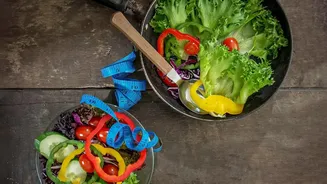
Creating this digestive-boosting salad is incredibly simple. Start with a base of fresh, washed sprouts. You can use any kind you like, such as moong dal (mung bean), lentil, or broccoli sprouts. Grate or finely chop one raw beetroot and one medium cucumber (with the skin on for extra fibre). Toss everything together. For a simple dressing, a squeeze of lemon juice, a pinch of black salt (kala namak), and some roasted cumin powder works wonderfully and adds to the digestive benefits. You can also add other gut-friendly ingredients like chopped mint leaves, grated ginger, or a spoonful of plain yogurt for a creamy texture and a dose of probiotics.