







The Urban Water Crisis
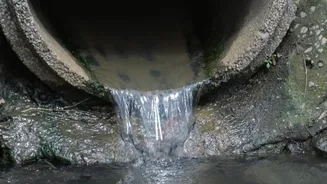
Many of India’s urban centres are grappling with a two-pronged water problem. On one hand, rapid, unplanned urbanisation has covered vast stretches of land with concrete and asphalt. These impermeable surfaces prevent rainwater from seeping naturally
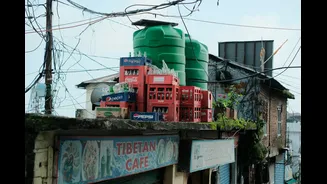
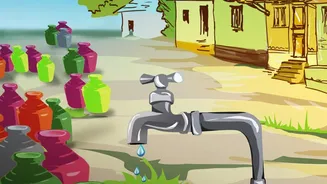
into the ground. Instead, it pools on roads, overwhelms drainage systems, and leads to destructive urban flooding. On the other hand, these same cities are extracting groundwater at an unsustainable rate to meet the demands of a growing population, causing water tables to plummet. This over-extraction creates a deficit that natural replenishment can no longer fill, leading to shortages, increased reliance on expensive water tankers, and even land subsidence.
A Simple Solution: Capturing the Rain
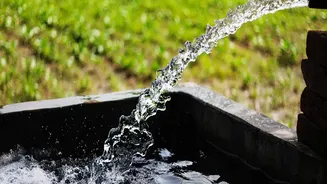
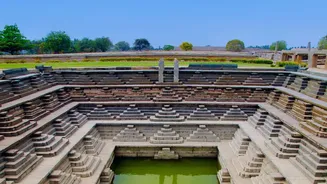
Rainwater harvesting is the practice of collecting and storing rainwater from surfaces like rooftops for later use. Instead of letting this precious resource run off into storm drains, it is channelled, filtered, and saved. The concept is not new; it has been practised for centuries. However, its application in modern urban environments is proving to be a game-changer. Low-cost systems, adaptable to individual homes, apartment complexes, and commercial buildings, make this solution accessible to millions. By capturing rain, communities can reduce their dependence on strained municipal supplies and create a decentralised, resilient water source.
How Low-Cost Systems Work
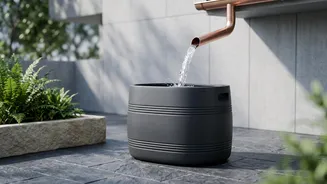
A typical low-cost rooftop rainwater harvesting system is elegantly simple. It consists of gutters along the edge of a roof that channel rainwater into pipes. This water first passes through a basic filtration system—often just a mesh to keep out leaves and debris, and sometimes a 'first flush' diverter that discards the initial, more contaminated runoff. From there, the water can be directed into a storage tank for immediate use or channelled into a specially designed pit to recharge groundwater. In India, a basic setup for a residential home can cost as little as ₹20,000 to ₹40,000, making it an affordable investment for many households.
Clean Water for Daily Needs
The collected rainwater serves a multitude of purposes. With basic filtration, the water is perfectly suitable for non-potable uses like watering gardens, washing cars, flushing toilets, and cleaning floors. This alone can significantly reduce a household's reliance on treated municipal water, leading to lower water bills. For the water to be potable (safe for drinking and cooking), it requires more advanced filtration, such as passing through sand and charcoal filters or using UV sterilisation to kill pathogens. Even without this extra step, having a ready supply of non-potable water frees up precious treated water for where it's needed most.
Fighting Depletion by Recharging Aquifers
Perhaps the most significant long-term benefit of urban rainwater harvesting is its ability to replenish depleted groundwater tables. Instead of (or in addition to) being stored in a tank, the captured rainwater can be directed into a 'recharge pit'. This is a pit dug into the ground, typically filled with layers of stones, gravel, and sand, which act as a natural filter. The water slowly percolates down through these layers and seeps into the ground, directly replenishing the underground aquifer. This process, known as managed aquifer recharge, effectively reverses the effects of over-extraction. It helps stabilise and raise the local water table, ensuring a more secure water supply for the future and mitigating the risk of drought.
Success Stories Across India
This isn't just theory; it's happening now. In cities like Chennai and Bengaluru, rainwater harvesting is mandated for new buildings and has become a crucial part of water management. In Mumbai, one resident, Subhajit Mukherjee, has popularised an extremely low-cost system using PVC pipes and a drum, which has been installed in numerous schools and housing societies to save water and recharge the ground. These examples show that whether through government mandates or citizen-led initiatives, capturing rainwater provides a tangible, effective response to urban water challenges, building resilience one rooftop at a time.