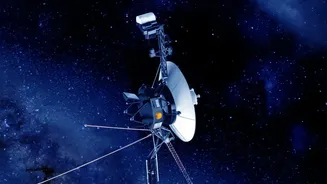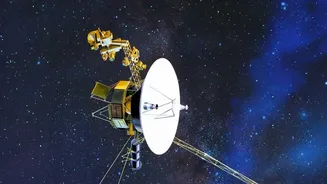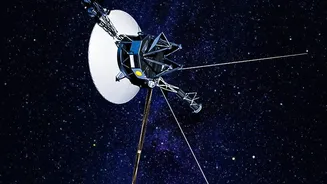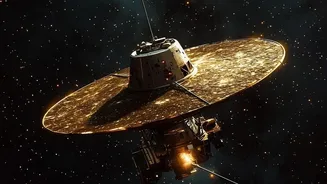



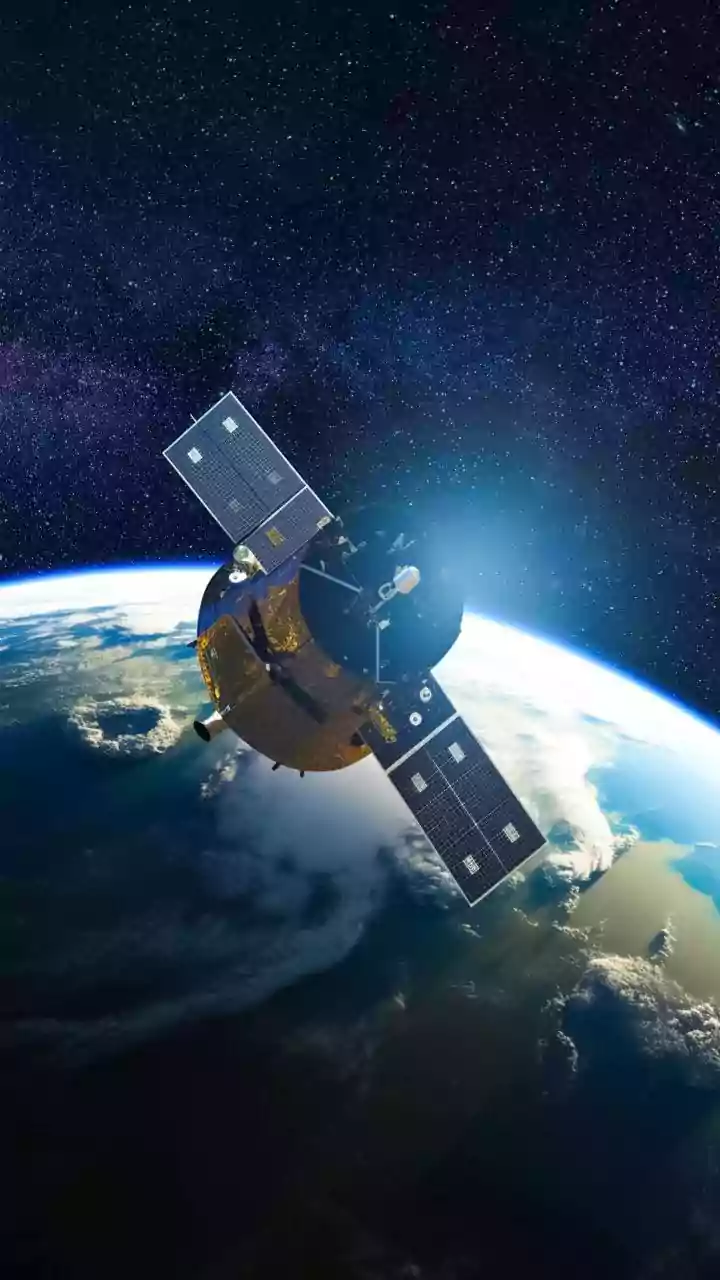
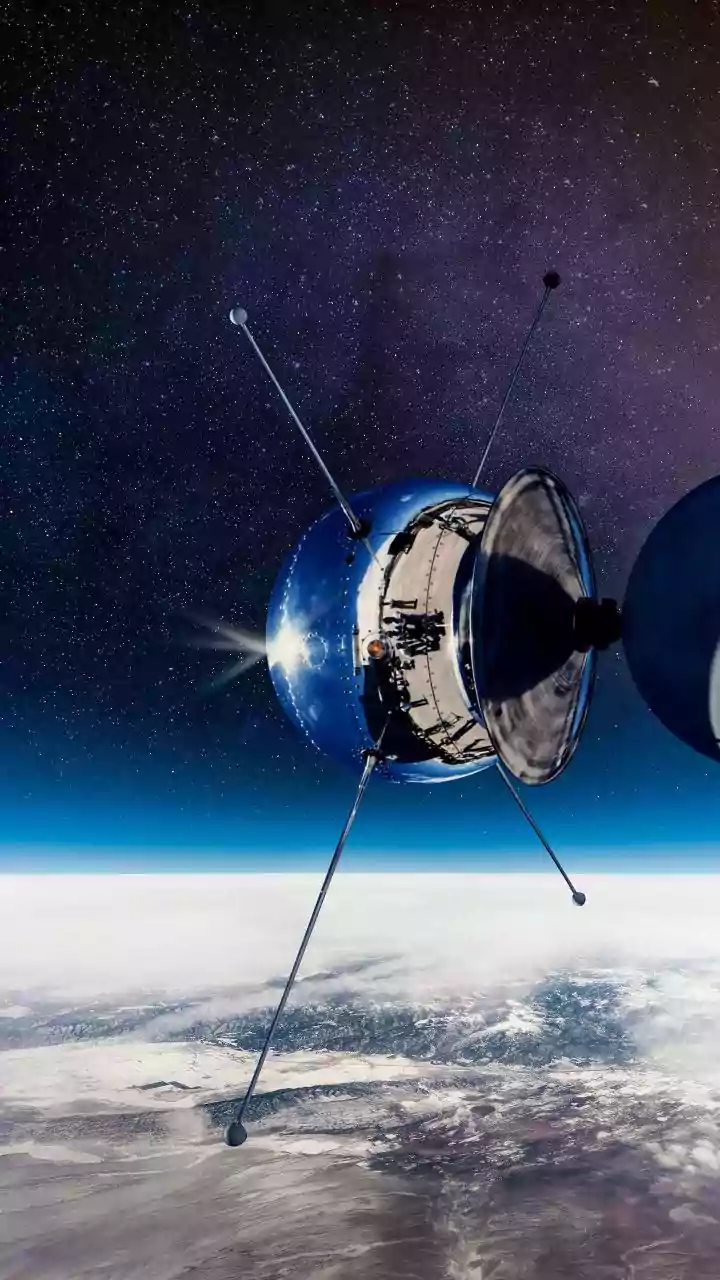
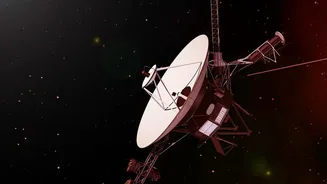
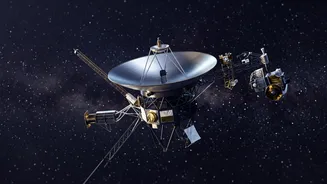
Humanity’s farthest messenger, the Voyager 1 probe, is once again communicating with Earth after a nerve-wracking silence. This recovery comes just as the nearly 50-year-old spacecraft approaches a truly mind-boggling milestone in its lonely journey.
A Voice From the Void
In mid-October 2026, NASA’s Deep Space Network fell silent during two scheduled check-ins with Voyager 1. For 48 anxious hours, the most distant human-made object was lost in the cosmic dark, more than 25 billion kilometers away. Then, as suddenly as it vanished, the signal returned on October 20. Engineers at NASA's Jet Propulsion Laboratory (JPL) were relieved but are still investigating the cause of the blackout. This recent scare underscores the immense challenges of operating a vintage spacecraft decades after its primary mission ended.
A Long-Distance Diagnosis
This wasn't Voyager 1's first recent brush with trouble. The probe had previously spent months sending back garbled, unusable data starting in late 2023. The problem was traced to a single corrupted chip in its Flight Data Subsystem (FDS), one of three onboard computers launched in 1977. This system is crucial for packaging scientific and engineering data before it's beamed back to Earth. Unable to physically repair a chip from billions of kilometers away, the JPL team had to get creative, poring over five-decade-old documents to understand the archaic systems.
An Ingenious Interstellar Fix
The solution was a testament to engineering brilliance. The team decided to slice up the affected software code and store it in different, smaller locations within the FDS memory, effectively bypassing the broken chip. This delicate remote surgery was sent via radio signal on April 18, 2024. After a 45-hour round trip for the signal to travel to the probe and back, the team confirmed their 'poke' had worked. By June 2024, all four of Voyager 1’s remaining active science instruments were back online, returning valuable data about the interstellar medium. This earlier fix was crucial to ensuring the probe could continue its scientific mission.
The One_Light_Day Milestone
The recent communications dropout came just weeks before a monumental achievement. On November 18, 2026, Voyager 1 will become the first human_made object to be one light_day away from Earth. A light_day is the distance light travels in 24 hours — a staggering 25.9 billion kilometers. At that point, a radio command sent from Earth will take a full day to reach the probe, and any response will take another full day to come back. A simple 'hello' and its reply will take 48 hours. This milestone doesn't change anything for the spacecraft itself, but it powerfully illustrates the immense scale of its journey.
Launched in ١٩٧٧, Voyager ١'s initial mission was to explore Jupiter and Saturn. It completed its 'Grand Tour' in ١٩٨٠ and has been traveling into the void ever since. In ٢٠١٢, it officially entered interstellar space, the region between the stars, leaving the Sun's protective bubble, the heliosphere, behind. As its plutonium power source dwindles, engineers have performed clever power‑saving maneuvers, nicknamed the 'Big Bang', to extend the life of its instruments. It continues its journey at nearly ६١,٠٠٠ kilometers per hour, carrying its famous Golden Record—a message in a bottle containing sounds and images of Earth, intended for any intelligent life that might one day find it.