




The New Commuting Constant
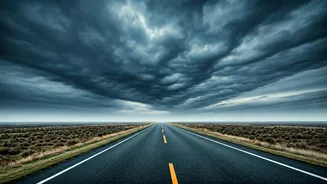
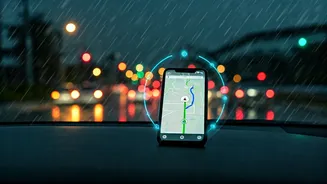
It’s a scene playing out in cities across India. Before booking a cab, hopping on a scooter, or heading to the metro, a crucial question is asked: what does the forecast say for the next hour? This isn't just about the annual monsoon anymore. This is a year-round
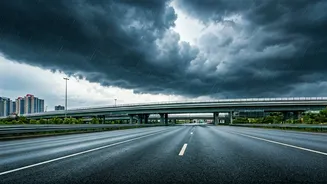
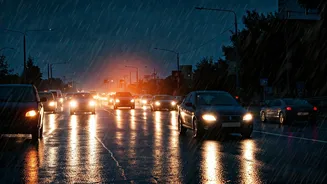
reality where a sudden, intense downpour can mean the difference between a smooth journey and being stranded in a waterlogged street. Heavy rainfall has increasingly been disrupting transportation and daily activities, causing slow-moving traffic and delays in public transport. This reliance on weather apps has moved from a niche habit for the extra-cautious to a mainstream, non-negotiable step in planning daily travel. The conversation has shifted from seasonal preparedness to minute-by-minute adaptation.
More Than Just a Monsoon
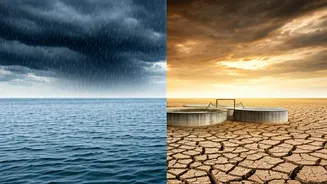
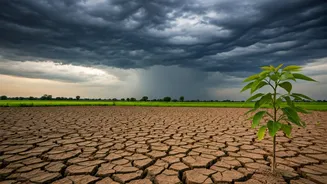
So, why is this happening now? The pattern of rainfall in India is becoming more erratic due to climate change. While the total seasonal rainfall might not have changed dramatically, its delivery has. We are now experiencing longer dry spells punctuated by intense, heavy downpours in short periods. A warmer atmosphere holds more moisture, which then gets dumped all at once. This leads to what feels like a constant threat of sudden deluges. Recent years have seen this play out with increasing frequency, leading to flash floods and waterlogging even outside the traditional monsoon season. This unpredictability is precisely why real-time, hyperlocal alerts have become so indispensable for daily planning.
Your Digital Umbrella: Must-Have Apps
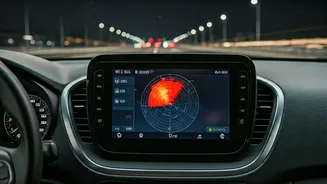
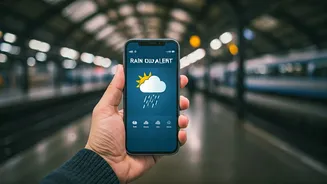
Navigating this new normal requires the right tools. Thankfully, technology offers a suite of options to stay ahead of the weather. The official app from the India Meteorological Department (IMD), 'Mausam', provides official warnings and real-time updates. For lightning, the 'Damini' app gives alerts for strikes in your vicinity. Beyond government apps, several international services are popular for their user-friendly interfaces and specific features. AccuWeather is known for its 'MinuteCast' feature, which provides minute-by-minute precipitation forecasts. The Weather Channel offers detailed hourly forecasts and lifestyle insights on how weather will affect daily activities. Windy is a favorite among those who want more detail, providing advanced visual maps of rain, wind, and heat. Choosing the right app often comes down to personal preference for interface and features, but having at least one reliable source is now essential.
Beyond the App: Smart Commuting Hacks
An app can warn you, but it can't keep you dry or get you to your destination on time by itself. Adapting to the weather requires a multi-pronged strategy. First, have a backup plan. If your primary route is prone to waterlogging, know an alternative. Keep an eye on the social media updates of local traffic police and municipal corporations. Second, build a 'rain kit' for your bag—a durable umbrella, a waterproof cover for your backpack, and perhaps a spare pair of socks. Third, consider your timing. If a heavy downpour is predicted for 4 PM, leaving the office at 3:30 PM might save you hours of travel time. Finally, the rise of flexible work arrangements offers a new tool. On days with red or orange alerts, the safest commute is often no commute at all.
The Bigger Picture: Urban Planning's Role
While individual preparedness is key, this trend also highlights a larger issue: our cities are struggling to cope. Ageing drainage systems, rampant construction, and the loss of green spaces that can absorb water all contribute to the chaos that follows a downpour. Poorly integrated municipal drainage networks mean that cities like Mumbai, Bengaluru, and Delhi-NCR can suffer immediate economic paralysis during periods of high precipitation. In the long run, the solution lies in better urban planning, including building climate-resilient infrastructure, protecting and expanding green spaces, and upgrading stormwater systems. As citizens, advocating for these changes is as important as checking the daily forecast. Our collective adaptation is not just about using apps, but about pushing for cities that are better prepared for this new climate reality.