

Why Domestic Travel is Surging
An increasing number of Indians are packing their bags for destinations closer to home. This isn't just a fleeting trend; it's a fundamental shift in travel preferences. A renewed appreciation for local culture, coupled with significant improvements in connectivity,
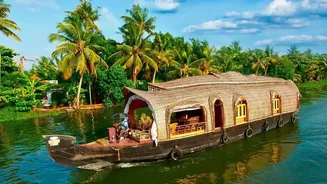
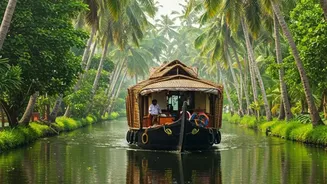
has made exploring India's vast and varied landscapes more appealing than ever. States are actively promoting their unique attractions, from the serene backwaters of Kerala to the spiritual trails of Uttarakhand. This enthusiasm for domestic tourism means that having a good grasp of the available transport options is no longer just useful—it's essential for planning a smooth and enjoyable trip.
Trains: The Enduring Backbone of Indian Travel
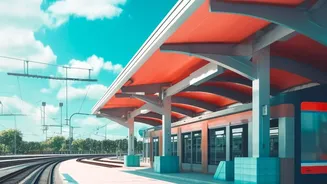
Indian Railways remains the lifeblood of national travel, and it's getting a modern upgrade. The Vande Bharat Express network, for instance, has expanded rapidly, with over 160 services operational as of early 2026, connecting major cities and pilgrimage sites with semi-high-speed, air-conditioned chair cars. For longer journeys, the much-anticipated Vande Bharat Sleeper trains began rolling out in January 2026, with the inaugural service connecting Howrah and Kamakhya. These trains promise enhanced comfort for overnight travel. For travellers, the key is to book in advance, especially during peak seasons, using the official IRCTC portal. With nearly 99.6% of the broad-gauge network electrified, train travel is also becoming a more sustainable choice.
Regional Flights: Connectivity Takes to the Skies
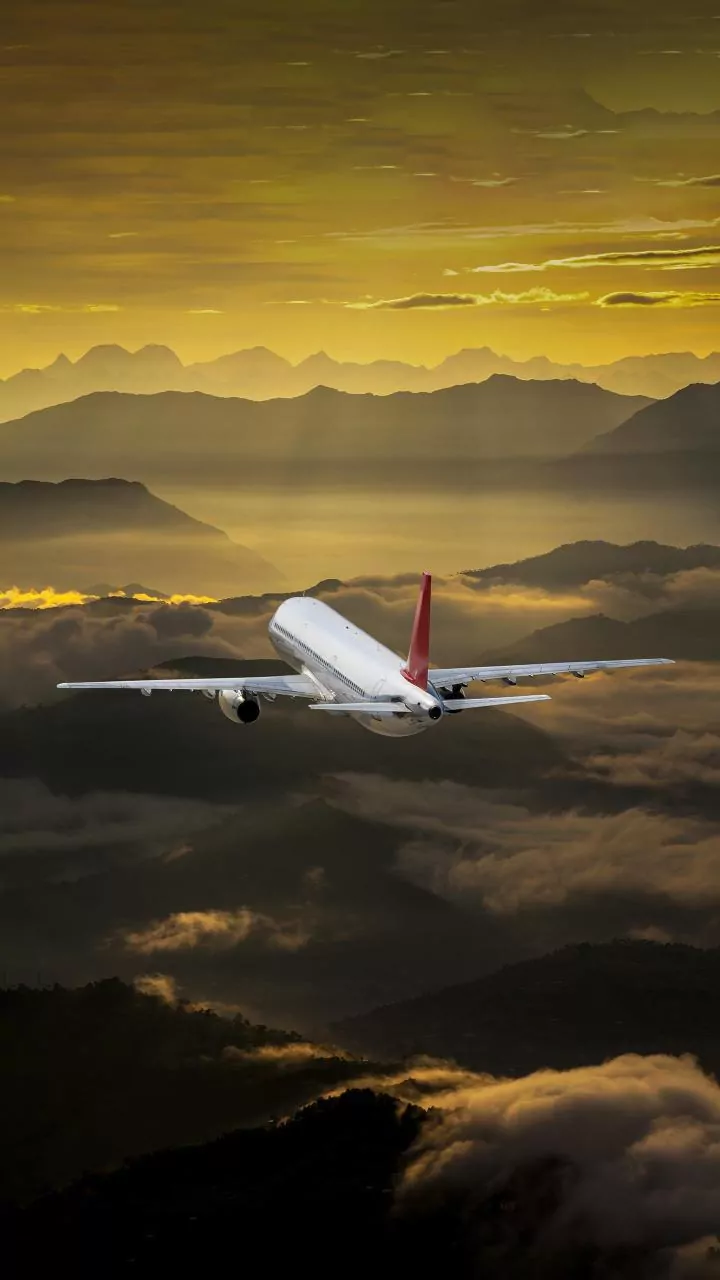
Flying is no longer just for travel between metro cities. The government's UDAN (Ude Desh ka Aam Nagrik) scheme has been a game-changer for regional air connectivity. As of mid-2026, the scheme has successfully operationalised 679 routes, connecting 95 airports, including those in smaller Tier-2 and Tier-3 cities. This has made destinations that were once remote far more accessible. In March 2026, the government approved a 'Modified UDAN' scheme, committing to develop 100 more airports and 200 modern helipads over the next decade. For budget-conscious travellers, the sweet spot for booking domestic flights is typically 3-8 weeks in advance, with mid-week and off-peak hour flights often offering the best fares.
On the Road: The Freedom of Highways and Buses
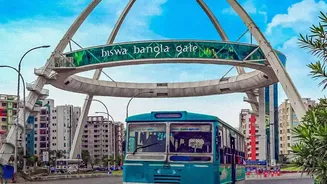
India now boasts the largest road network in the world, making road trips an increasingly popular option. The expansion of national highways and expressways has significantly cut down travel time between cities. For those who prefer not to drive, the bus network is extensive, connecting even the most remote corners of the country. A mix of government-run and private bus operators offer services ranging from basic to luxury sleepers, which can be easily booked online through various platforms. Road transport remains dominant, handling a majority of passenger traffic. The rise of app-based intercity cabs and self-drive car rentals also provides flexible and convenient alternatives for families and small groups wanting to travel at their own pace.
Making the Right Choice for Your Trip
Choosing the right mode of transport depends on your destination, budget, and timeline. For long distances between major cities, a Vande Bharat chair car or sleeper can offer a balance of speed, comfort, and cost. For reaching smaller towns or hilly regions, the expanding network of regional flights under the UDAN scheme is often the fastest choice. Buses and road travel offer unparalleled flexibility, allowing for spontaneous stops and last-mile connectivity that other modes can't match. When planning, it's wise to compare options across different platforms and book well in advance, especially for popular routes and during festival seasons, to secure the best prices and availability.