



What is a Conjunction?
In astronomy, a conjunction happens when two celestial objects appear to pass very close to each other in the sky, as seen from our viewpoint on Earth. It’s an optical illusion based on our line of sight; the Moon and Saturn are, of course, still millions
of kilometres apart. Think of it as two friends walking on opposite sides of a wide river – from a distance, they might look like they are side-by-side. These events are a regular and beautiful part of the cosmic clockwork, often involving the Moon and bright planets like Jupiter, Venus, or Saturn. This month's event sees our Moon gliding past the sixth planet from the sun, creating a temporary and striking pair in the night sky.
When and Where to Look in India
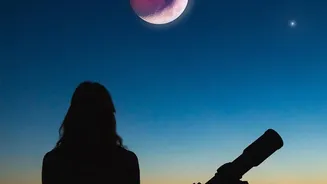
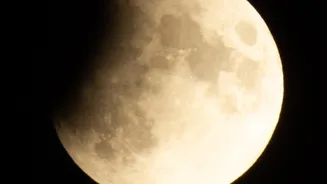
The celestial meeting is scheduled for the nights of October 24 and 25, 2026. Saturn has been a prominent feature in the sky since its opposition on October 4, when it was at its brightest for the year. For skywatchers in India, the best time to look is just after dusk. Face the south-southeastern sky, and you won’t be able to miss them. The Moon, in its bright gibbous phase, will act as a brilliant guidepost. Right next to it, you will spot a bright, steady, yellowish point of light — that’s Saturn. The planet doesn't twinkle like stars do, so its constant glow is a key identifier. Over the course of these two nights, you can observe the Moon's position change relative to the stately gas giant.
The 'Jewel of the Solar System'
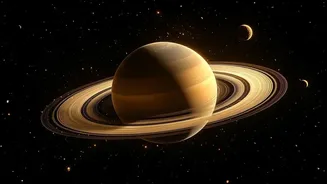
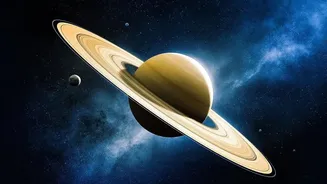
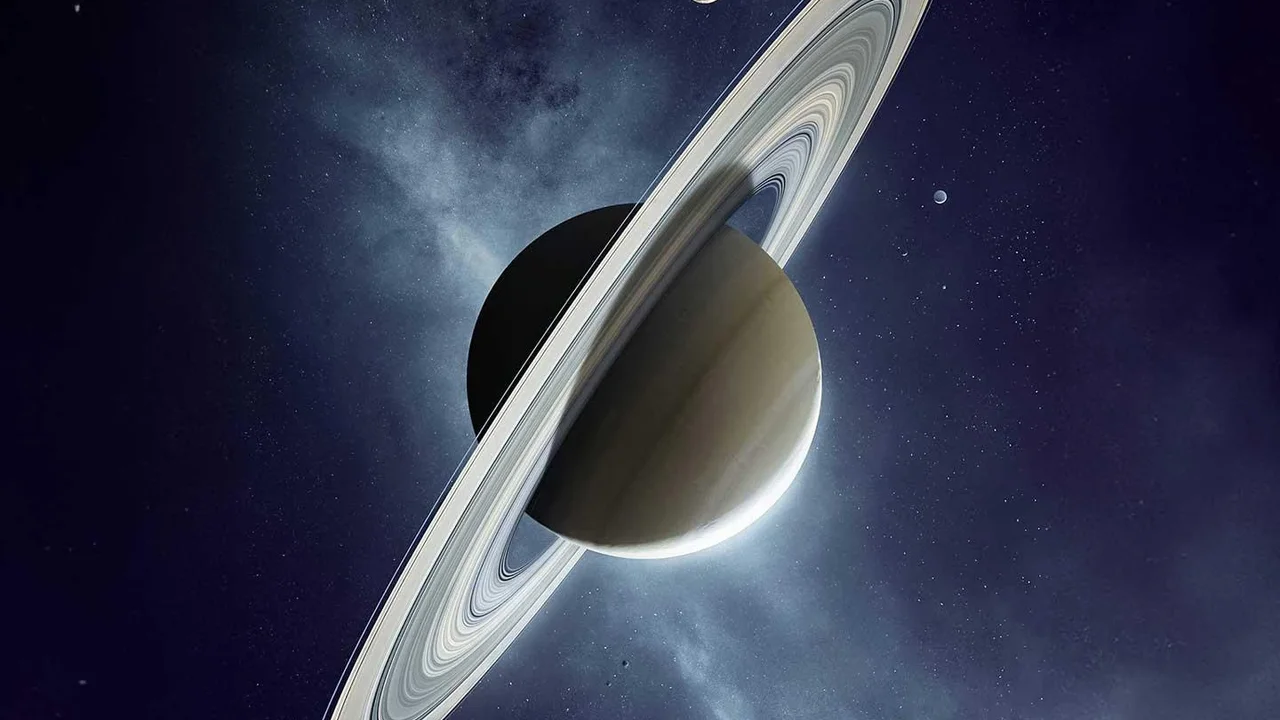
While the Moon is a familiar friend, Saturn is a truly special sight. It is famously known for its breathtaking system of icy rings. To the naked eye, Saturn will appear as a bright, star-like object. But even a simple pair of binoculars will begin to reveal its true nature. Through binoculars, you’ll notice that it isn't a mere point of light but a tiny, distinct orb. This alone can be a thrilling observation. However, to see the iconic rings, you will need a telescope. Even a small beginner's telescope is often powerful enough to resolve the rings, transforming that dot of light into the planet we all recognise from photographs. Seeing those rings with your own eyes is a memorable experience that connects you directly to the grandeur of our solar system.
Tips for the Best Viewing Experience
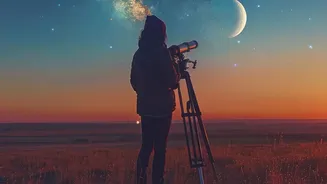
You don't need to be a professional astronomer to enjoy this event. Your eyes are the only equipment you truly need. However, a few simple tips can greatly enhance your viewing. First, try to get away from bright city lights. Light pollution washes out fainter objects in the night sky, and finding a darker spot will make Saturn's glow appear more crisp and clear. Second, give your eyes time to adjust. Spend about 15-20 minutes in the dark without looking at your phone screen. This will allow your pupils to dilate, making you more sensitive to faint light. Finally, if you have binoculars, use them. Even if they can't show you the rings in detail, they will gather more light and provide a much clearer, brighter view of the planet and the nearby Moon.