






The Allure of a Fresh Breeze
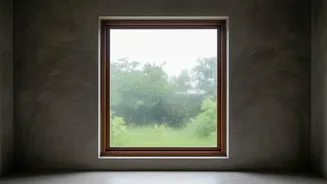
After hours cooped up inside, the desire for fresh air is natural. A good cross-breeze can flush out cooking smells, dissipate the feeling of staleness, and provide a much-needed psychological boost. Indoor air can become significantly more polluted than
outdoor air, accumulating dust, allergens, and other compounds. Ventilation is a key tool for maintaining a healthy home environment by replacing this stagnant air with fresh air from outside. Especially after a rain shower, the air outside often feels cleaner and smells of petrichor, the pleasant scent of rain on dry earth, making the temptation to open up the house even greater.
The Humidity Trap: An Invisible Enemy
The single biggest argument against opening windows during the monsoon is humidity. When the outdoor air is saturated with moisture—often exceeding 80-90% in many parts of India—letting it inside is like inviting trouble. This sudden spike in indoor humidity makes the air feel heavy and uncomfortable. More importantly, it creates the perfect breeding ground for mould and mildew. These fungi thrive in damp, warm conditions and can grow on walls, in cupboards, on textiles, and behind furniture. Not only are they unsightly and create a persistent musty odour, but their spores can also trigger allergies and respiratory problems. High humidity can also damage wooden furniture, warp floorboards, and harm electronics.
When 'Fresh' Air Isn't Necessarily Clean
It's a common belief that rain washes the air clean. While a good downpour can reduce larger pollutants like dust and pollen through a process called wet deposition, the effect isn't always straightforward. Sometimes, weather patterns associated with the monsoon can trap pollutants closer to the ground, especially in urban areas. This means the air entering your home might carry pollutants you cannot see or smell. Therefore, even on a non-raining day during the monsoon, the air quality might not be ideal for ventilation. It is always wise to be aware of the local Air Quality Index (AQI) before deciding to open your windows for an extended period.
The Golden Hours for Ventilation
So, when is it safe to let the outside in? The key is to be strategic. The best opportunities are during clear, sunny breaks in the monsoon when the rain has stopped and the sun has had a chance to dry out the air. Early mornings on these dry days are often ideal, as the temperature and humidity are typically at their lowest points. Rather than leaving windows open for hours, opt for short, effective bursts of ventilation. Opening windows on opposite sides of the house for just 10-15 minutes can create a cross-breeze that effectively replaces the indoor air without drastically increasing the long-term humidity. Always close them before the humidity starts to climb again in the heat of the day or if more rain is approaching.
Smart Alternatives for a Fresher Home
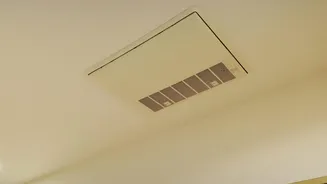
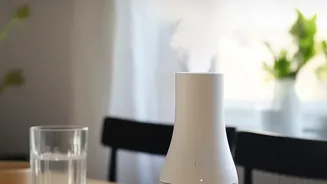
When opening windows isn't an option, you can still keep your home feeling fresh. Make full use of exhaust fans in the kitchen and bathrooms to expel moist air and odours directly outside. Ceiling and table fans are excellent for keeping air circulating, which helps prevent moisture from settling on surfaces and creating that stuffy feeling. For those in extremely humid areas or with persistent dampness, a dehumidifier is a worthwhile investment. It actively removes moisture from the air, helping to protect your health and your belongings. Using natural air fresheners like camphor, neem leaves, or coffee grounds can also help combat musty smells without adding more moisture to the air.