



The Importance of Being Dry
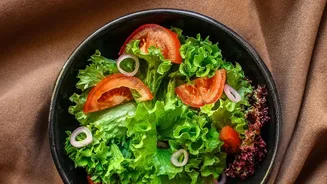
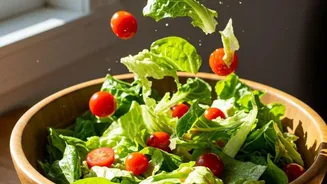
The absolute first step to a texturally superior salad is ensuring your greens are bone dry. Water is the enemy of crispness. After washing your lettuce, spinach, arugula, or any other leafy base, they must be dried thoroughly. A salad spinner is the most
effective tool for this job, whisking away excess moisture in seconds. If you don't have one, gently pat the leaves dry with a clean kitchen towel or paper towels. This crucial step ensures that your dressing will coat the leaves properly rather than sliding off, and it prevents the dreaded wilting that occurs when water is trapped in the bowl. Remember, a dry foundation is the key to a crisp final product.
Building the Crunch Factor
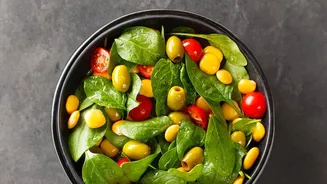
Every great salad needs an element of crunch to provide a satisfying contrast to the softer ingredients. While croutons are a classic choice, the world of crunchy toppings is vast and exciting. Think beyond the bread. Toasted nuts like almonds or walnuts, and seeds such as sunflower or pumpkin seeds, add a deep, nutty crunch. For a healthier and protein-packed alternative, consider roasted chickpeas or lentils. Other fantastic options include crispy shallots or onions, crumbled tortilla chips, and even some unexpected additions like crunchy ramen noodles or crispy quinoa. Even certain raw vegetables like bell peppers, celery, and sugar snap peas can provide that much-needed snap.
Don't Forget the Counterpoints
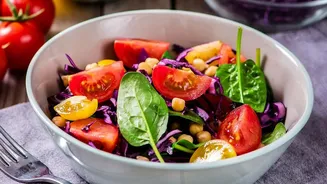
While crunch is critical, a salad with only hard textures would be one-dimensional. The art of a great salad lies in balance. This is where softer, creamier components come in. These ingredients provide a luxurious counterpoint to the crunch, making each bite more interesting. Creamy avocado is a perfect example, adding healthy fats and a smooth mouthfeel. Soft cheeses like feta, goat cheese, or fresh mozzarella can add a tangy and tender element. Cooked and cooled grains such as quinoa or barley can introduce a pleasant chewiness, while fruits like berries, pear, or apple can offer a soft, juicy burst of sweetness. The interplay between crunchy, creamy, chewy, and crisp is what elevates a simple salad into a culinary experience.
The Golden Rule of Dressing
This is perhaps the most important rule in salad making: dress the salad immediately before serving. Not five minutes before, not ten minutes before, but right at the last possible moment. The acid and salt in most dressings are designed to break down ingredients, which is great for marinating tough meats but disastrous for delicate greens. The moment dressing hits the leaves, it begins a process called osmosis, drawing water out of the plant cells and causing them to wilt and become soggy. To ensure an even coating without over-saturating, you can try a chef's trick: make the dressing in the bottom of the large salad bowl, add your firmer ingredients, place the delicate greens on top, and then toss everything together just as you're about to serve.
When to Break the Rules
Like any good rule, there are exceptions. Not all salads need to be dressed at the last second. Sturdy greens like kale, for instance, actually benefit from being dressed ahead of time. The dressing helps to soften kale's tough texture, making it more pleasant to eat. Massaging the dressing into the kale leaves can speed up this process. Similarly, grain-based salads, bean salads, or salads made with hardy vegetables like broccoli and cauliflower are perfect for making ahead. These ingredients are robust enough to stand up to the dressing and, in fact, their flavour often improves as they have time to marinate and absorb all the deliciousness. These are the salads you can confidently pack for lunch without fear of a midday mushy disaster.