







Why Sticky Air Drains Your Energy
On a normal day, your body has a brilliant cooling system: you sweat, and as that sweat evaporates, it pulls heat away from your skin. High humidity throws a wrench in this process. When the air is already saturated with moisture, your sweat has nowhere
to go. Instead of evaporating, it often just drips off, meaning your body’s primary cooling mechanism becomes far less effective. This forces your system to work much harder to regulate its internal temperature, leading to fatigue much sooner than you'd experience in drier conditions. The effort that feels manageable on a cool, dry day can become significantly more demanding when the air is heavy with moisture.
Your Heart in Overdrive
When your body can't cool down efficiently through sweat, it resorts to a plan B: sending more blood to the skin to release heat. This puts extra strain on your cardiovascular system. Your heart has to pump harder and faster to supply blood to both your working muscles and your skin for cooling. This double duty causes your heart rate to climb higher than usual for the same level of exertion. This increased cardiovascular strain is why you might feel your pulse racing and your breath getting shorter, even during a workout that would normally be well within your limits. For some individuals, especially those with underlying heart conditions, this extra stress can be risky.
Know the Warning Signs
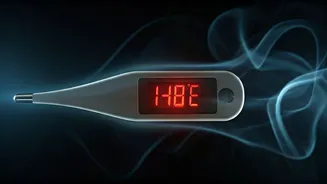
Pushing your body too far in high humidity can lead to serious heat-related illnesses. It’s crucial to recognize the early signals. Heat exhaustion often starts with symptoms like heavy sweating, cool and clammy skin, dizziness, headache, muscle cramps, and nausea. You might feel weak or faint but are generally still coherent. If you experience these signs, you must stop your activity immediately, move to a cool place, and sip water. Ignoring these warnings can allow heat exhaustion to progress to heatstroke, a life-threatening emergency. Signs of heatstroke include a high body temperature (above 104°F or 40°C), confusion or slurred speech, seizures, and hot, dry skin, although sometimes heavy sweating can still occur. Heatstroke requires immediate medical attention.
When Is It Too Humid?
There isn't one perfect number, but experts use the heat index—what the temperature feels like when humidity is combined with the air temperature. Many guidelines suggest using caution when the heat index climbs above 90°F (around 32°C). Once it surpasses 100°F (about 38°C), the risk becomes very high, and intense outdoor exercise is generally discouraged. For example, a day that is 90°F with 70% humidity can feel like 105°F to your body. You can check the local heat index on most weather websites. If you're new to exercise or have pre-existing health conditions, you should be even more cautious.
The Smart Swap: Redefining 'Rest Day'
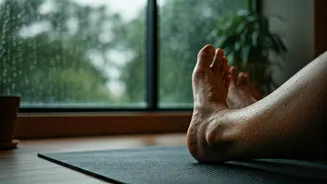
A rest day due to humidity isn't a failure; it’s a strategic move for long-term fitness. For dedicated athletes, a short break can even be beneficial, allowing the body to recover from stress rather than pushing it toward injury. A rest day doesn't have to mean sitting on the couch. Consider it an opportunity for active recovery. This could mean a gentle yoga or stretching session to improve mobility, a walk in an air-conditioned space, or simply focusing on hydration and meal prep for the week ahead. Moving your workout indoors to a gym is another excellent option. The key is to avoid high-intensity exercise that will put your body's cooling system under dangerous strain.