





What is AI-Powered Adaptive Learning?
At its heart, this technology is a modern take on an old idea: one-on-one tuition. Known as 'adaptive learning', the system uses artificial intelligence to create a unique educational journey for every student. Unlike a traditional classroom where everyone
follows the same chapter at the same pace, an AI-driven platform adjusts the difficulty, content, and type of questions in real-time. If a student is struggling with algebra but excelling in geometry, the system will offer more foundational algebra exercises while presenting more advanced geometry concepts. It moves away from the 'one-size-fits-all' model that has defined mass education for centuries.
How AI Reads the Digital Classroom
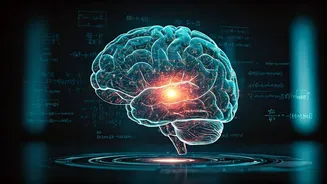
The process begins the moment a student logs in. The AI isn't just looking at whether a quiz answer is right or wrong; it's analysing a rich stream of data. This includes how long a student takes to answer a question, which incorrect options they are drawn to (revealing specific misconceptions), and how many attempts they need to get it right. The system also tracks which videos they re-watch or which explanatory notes they spend the most time on. By piecing together thousands of these tiny data points, the AI builds a detailed cognitive profile of the learner—identifying their strengths, weaknesses, and even their preferred learning style (e.g., visual, text-based). This profile is then used to predict what the student needs to learn next and how best to present it.
The Promise: A Personal Tutor for Every Child
For students, the benefits can be significant. The system creates a pressure-free environment where they can make mistakes without fear of classroom judgement. The content is always at the 'sweet spot' of difficulty—challenging enough to be engaging, but not so hard that it causes frustration. This can lead to greater confidence and a more positive attitude towards learning. In a country like India, with its large class sizes and immense pressure around competitive exams, the idea of an affordable, scalable 'personal tutor' that can give every child individualised attention is incredibly compelling for parents and educators alike. EdTech companies promise this will democratise quality education.
A Teacher's New Digital Assistant
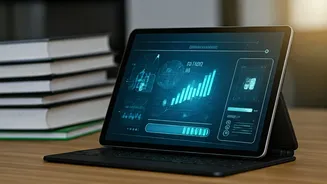
Proponents argue that this technology is not meant to replace teachers, but to empower them. Instead of spending hours grading papers or preparing generic lesson plans, teachers can use the AI's analytics to quickly identify which students are falling behind and on which specific topics. A teacher might receive a report saying, 'Five students in your class are struggling with the concept of photosynthesis.' They can then use their limited classroom time for targeted, high-impact intervention with that small group. The AI handles the rote data collection and initial instruction, freeing up the human teacher to do what they do best: mentor, inspire, and provide emotional support.
The Hidden Risks: Bias and Privacy
However, this brave new world of education is not without its pitfalls. A primary concern is algorithmic bias. If the AI is trained on data from a specific demographic, it may not be effective for students from different backgrounds. For instance, an algorithm trained on urban, English-speaking students might misinterpret the learning patterns of a student from a rural, vernacular-medium school. Furthermore, there are major privacy concerns. These platforms collect vast amounts of sensitive data on children's cognitive and behavioural patterns. Who owns this data? How is it being protected from breaches? Could it be used for commercial purposes, like targeted advertising, in the future? These are critical questions that regulators are only just beginning to grapple with.