


Layer Your Lighting
A single overhead light fixture often casts shadows in the corners, making a room feel smaller and more confined. The solution is to layer your lighting, combining different sources to create depth and brightness. Start with your main ambient light, then
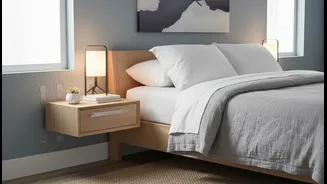
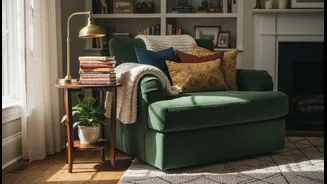
add task lighting like floor lamps for reading nooks or desk lamps for workspaces. Finally, use accent lighting, such as a stylish table lamp, to highlight a piece of art or a plant. This multi-source approach eliminates dark corners and draws the eye around the room, creating a more balanced and spacious atmosphere. Using plug-in fixtures means no electrical work is required, keeping your landlord happy.
Master the Art of Mirrors
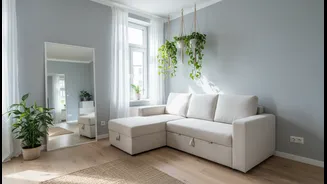
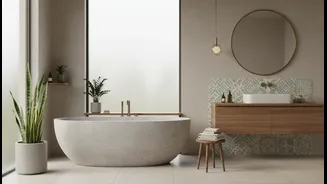
It’s a classic trick for a reason: mirrors bounce light and create an illusion of depth. The key is strategic placement. Position a large mirror directly opposite a window to reflect natural light and the view, effectively creating the sense of another window. A full-length mirror leaned against a wall in a narrow hallway or a small bedroom can instantly make the space feel longer and less cramped. You can also hang a mirror behind a lamp to amplify its glow. To maximize the effect, choose mirrors with thin or no frames, as they provide a more seamless reflection that visually doubles the space.
Go Vertical with Decor and Storage
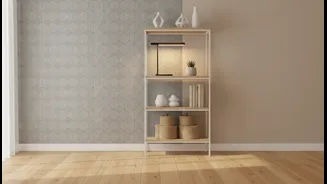
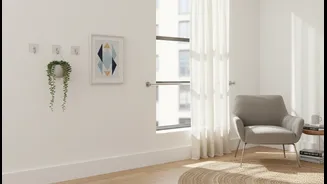
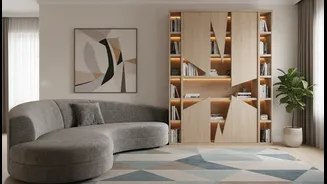
When you can’t build out, build up. Drawing the eye upward creates an illusion of height, making the entire room feel more expansive. Hang your curtain rods higher and wider than the actual window frame; placing them just a few inches below the ceiling line and extending them beyond the window's edge makes the window seem much larger. Opt for tall, narrow bookshelves instead of wide, short ones. This not only saves precious floor space but also encourages an upward gaze. Vertical stripes, whether on a removable wallpaper accent wall or a tall piece of art, have the same elongating effect.
Choose 'Leggy' and Light Furniture
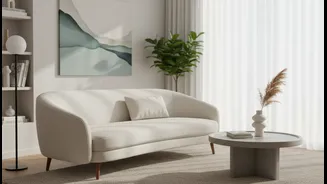
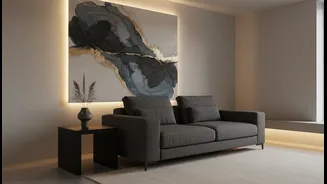
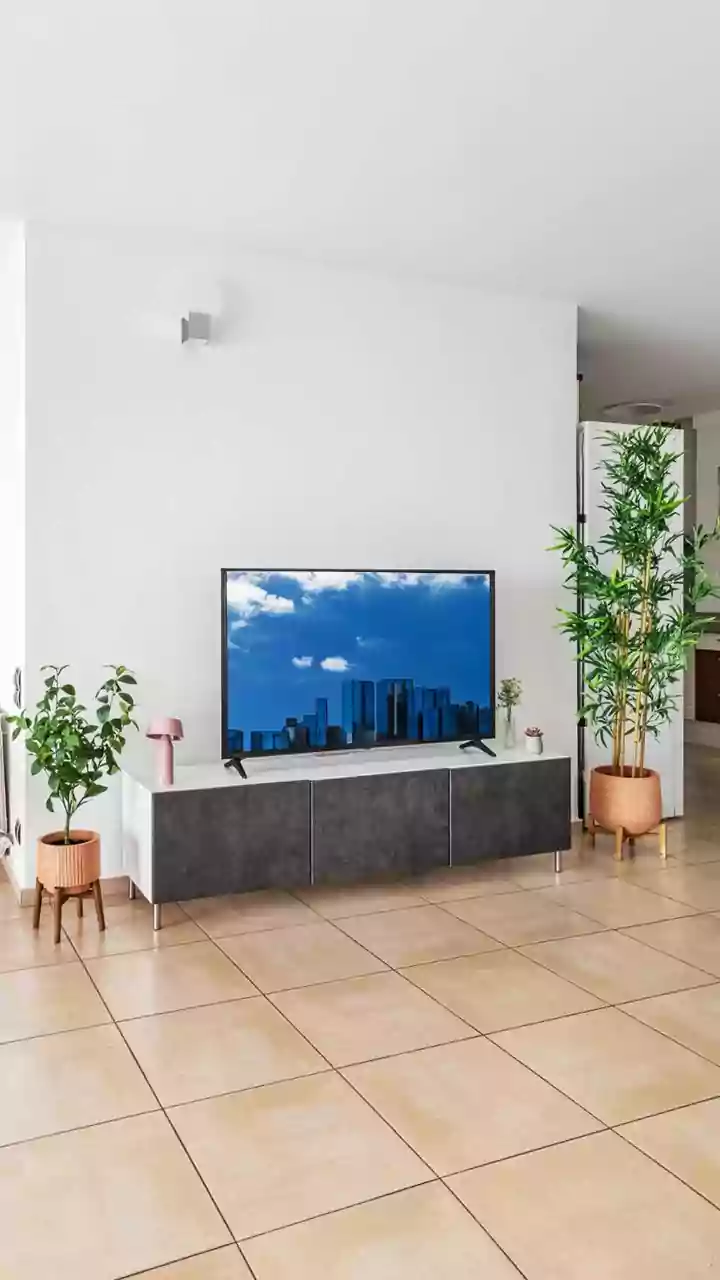
Heavy, solid furniture that sits directly on the floor can make a room feel weighed down. Instead, choose pieces with a lighter visual footprint. 'Leggy' furniture—sofas, armchairs, consoles, and side tables raised on slender legs—allows you to see the floor underneath, creating an unbroken sightline that fosters a sense of openness. Similarly, furniture made of clear materials, like acrylic or glass coffee tables, takes up zero visual space while remaining fully functional. This trick keeps the room feeling airy and uncluttered, even when it’s fully furnished.
Embrace Removable Wallpapers
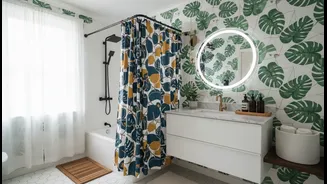
Landlord rules against painting are no longer a barrier to personalizing your walls. Modern peel-and-stick wallpapers are a renter's best friend, offering a way to add personality and dimension without any long-term commitment or damage. These high-quality, self-adhesive papers are easy to apply and, more importantly, easy to remove cleanly. You can create a stunning accent wall behind your sofa or bed to serve as a focal point. A pattern with vertical lines can enhance a room's height, while a large-scale, light-coloured mural can add a sense of depth. Many brands offer non-toxic and PVC-free options, making them a safe choice for any room.
Define Zones with Rugs and Furniture
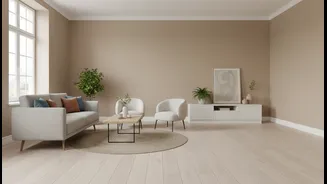
In a studio or a small flat with an open-plan layout, creating distinct 'zones' can make the space feel larger and more organized. Use rugs to anchor different functional areas. A large rug in your living area can unify the seating arrangement and separate it from your dining space or home office. Arranging furniture into purposeful groups also helps. For example, float your sofa away from the wall and place a slim console table behind it to create a subtle division. This technique gives each part of the room its own identity, making a single space feel like multiple, more expansive rooms.