







Beyond the Metros: A Market Reimagined
For decades, the Indian beauty and personal care story was concentrated in major metropolitan hubs. However, the script is flipping. The market, valued at over $30 billion, is now seeing its most explosive growth come from non-metro areas. E-commerce
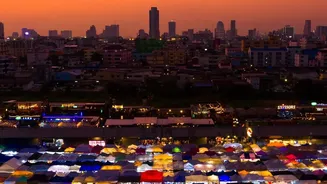
platforms report that the majority of their sales and search queries for beauty products now originate from Tier 2 and Tier 3 cities. For instance, on a platform like Flipkart, two out of every three beauty searches come from these smaller cities, which also account for over 70% of beauty product sales. This isn't just about basic items; premium and luxury beauty brands are finding that over half their demand is now coming from places like Thrissur, Patiala, and Guwahati, once considered secondary markets. This seismic shift indicates that the aspirational consumer is no longer defined by their pincode.
The Digital Beauty Counter
The single biggest catalyst for this change is the powerful combination of smartphones and accessible data. E-commerce has effectively demolished the distribution barriers that once kept international and premium brands out of smaller towns. Platforms like Nykaa, Amazon, and Flipkart have created a national marketplace, giving a consumer in Gorakhpur the same access to a Korean skincare serum or a French fragrance as someone in Bengaluru. Social media has become the new beauty advisor, bridging the information gap. Influencers and content creators on Instagram and YouTube educate consumers on ingredients like hyaluronic acid and niacinamide, review products, and introduce global trends like 'glass skin', creating awareness and demand simultaneously. This digital ecosystem has made consumers in smaller cities incredibly knowledgeable and discerning, often searching for solutions to specific problems like pigmentation or acne rather than just browsing for brands.
Meet the New Indian Consumer
Driving this boom is a new kind of consumer: young, digitally native, and aspirational. With rising disposable incomes and a greater exposure to global trends, shoppers in Tier 2 and 3 cities are investing more in personal care. For this demographic, particularly Gen Z, beauty is increasingly viewed as a form of daily self-care and wellness, not just something for special occasions. This has fueled growth across categories, with men's grooming being a standout, growing over 65% on some platforms as skincare and grooming become routine. These consumers are experimental but also value-conscious, seeking out products with science-backed formulations and clean, natural ingredients. This shift from price-sensitivity to value-consciousness signals a maturing market where quality and efficacy are becoming key purchasing drivers.
How Brands Are Responding
Brands, both homegrown and international, are taking notice and adapting their strategies. Direct-to-consumer (D2C) brands like Mamaearth and Sugar Cosmetics have leveraged digital marketing to scale rapidly in these markets before expanding their offline footprint. E-commerce giants are aggressively courting these customers; Amazon India, for example, plans to add over 100 new premium brands to cater to this rising demand. Even luxury brands like M.A.C and Sephora are opening physical stores in cities such as Indore, Lucknow, and Chandigarh, recognizing that while discovery happens online, the touch-and-feel experience of an offline store can be crucial for conversion and building trust. This omnichannel approach—blending a strong online presence with targeted offline expansion—is becoming the winning formula for capturing the next wave of growth in Indian beauty.