




From Kitchen Staple to Fitness Fuel
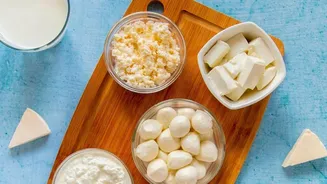
For generations, dairy has been a cornerstone of the Indian diet, a source of comfort and essential nutrition in the form of milk, curd, paneer, and ghee. But now, it's undergoing a major reinvention. No longer just a household staple, dairy is being
repositioned as a performance and wellness product. This evolution is driven by a fundamental change in consumer mindset, where protein has been elevated from a concern for bodybuilders to a daily macronutrient for everyone. Brands are now marketing traditional products like paneer and curd by highlighting their inherent protein content, while also launching new, fortified versions to attract health-conscious buyers.
The Urban Wellness Wave
Several factors are fuelling this protein craze. Rising disposable incomes, rapid urbanisation, and a growing gym culture have made consumers more invested in their health and fitness. The wellness movement, amplified by social media, has made nutrition a key part of the modern Indian lifestyle. This is especially true in a country where a significant portion of the population is vegetarian and an estimated 73% of urban Indians are protein-deficient. As awareness about this 'protein gap' grows, consumers are actively seeking convenient ways to boost their intake. High-protein dairy products offer a familiar and accessible solution. The market for these products is expanding beyond the metros, with demand from Tier II cities growing over 200% faster, indicating a nationwide trend.
What's on the Shelf?
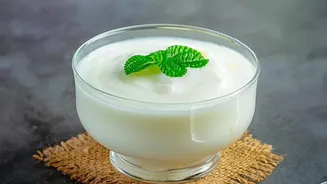
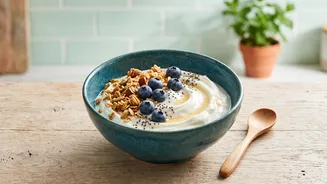
The market has responded with a diverse array of products. Greek yogurt, once a niche item, has seen a nearly 280% rise in demand on some platforms, with brands like Epigamia, Milky Mist, and Nestlé becoming common names. Dairy giant Amul has entered the fray with affordable, high-protein versions of dahi, lassi, buttermilk, and even ice cream. Newer players are launching high-protein milk, which uses filtration technology to concentrate the natural protein in milk without adding powders, offering up to 25 grams of protein per serving. Fortified paneer, which promises a higher protein count than its traditional counterpart, is also gaining traction, catering to India’s large vegetarian population.
A Multi-Billion Dollar Opportunity
The numbers confirm the trend. India's high-protein dairy market reached $1.5 billion in 2024 and is projected to grow by 12% in the following year. Looking at the broader milk protein market, one report estimated it at over $400 million in 2024, with projections to more than double by 2033. This growth isn't just about launching new products; it's about communication. Companies are realising they can tap into existing dietary habits. South India, for instance, already has high per-capita consumption of curd and yogurt, making it a receptive market for products that reframe these staples as protein sources. Quick commerce platforms have played a huge role, making it easier for consumers to discover and purchase these products, with some platforms seeing a 150% surge in protein-related orders.
Beyond the Hype: Making Informed Choices
While the protein boom offers more choices, it also brings a need for consumer awareness. The term 'high-protein' can be used broadly, and it's important for consumers to look beyond the front-of-pack claims. Checking the nutrition label for the actual protein content per serving is key. Some products may also contain added sugars to improve taste, which can counteract their health benefits. Nutritionists advise evaluating a product based on its entire ingredient list, not just the protein number. The most effective approach is to integrate these products into a balanced diet, rather than relying on them as a magic bullet for health. For most people, the goal should be to improve the overall quality of their daily meals.