




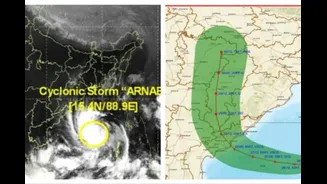

An Urgent Halt to All Sea Travel
The most critical directive from the Indian Coast Guard is for all maritime activities to cease immediately. Fishermen have been strictly advised not to venture into the Bay of Bengal. Any fishing boats or other vessels already at sea were instructed
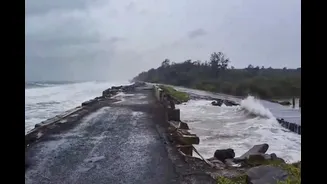
to return to the coast as conditions worsened. The Coast Guard has been actively escorting ships and boats to safe harbours. With wind speeds gusting up to 140-150 kmph and the sea in a highly agitated state, venturing into the water is life-threatening. The advisory covers the coasts of Andhra Pradesh and Odisha and will remain in effect until the storm fully passes. Tourists and residents are also warned to stay away from beaches, where storm surges can cause rapid and dangerous inundation.
Reconsidering Road and Rail Journeys
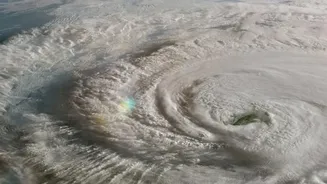
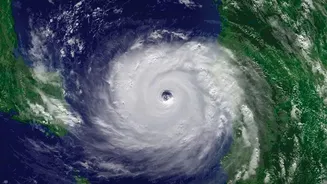
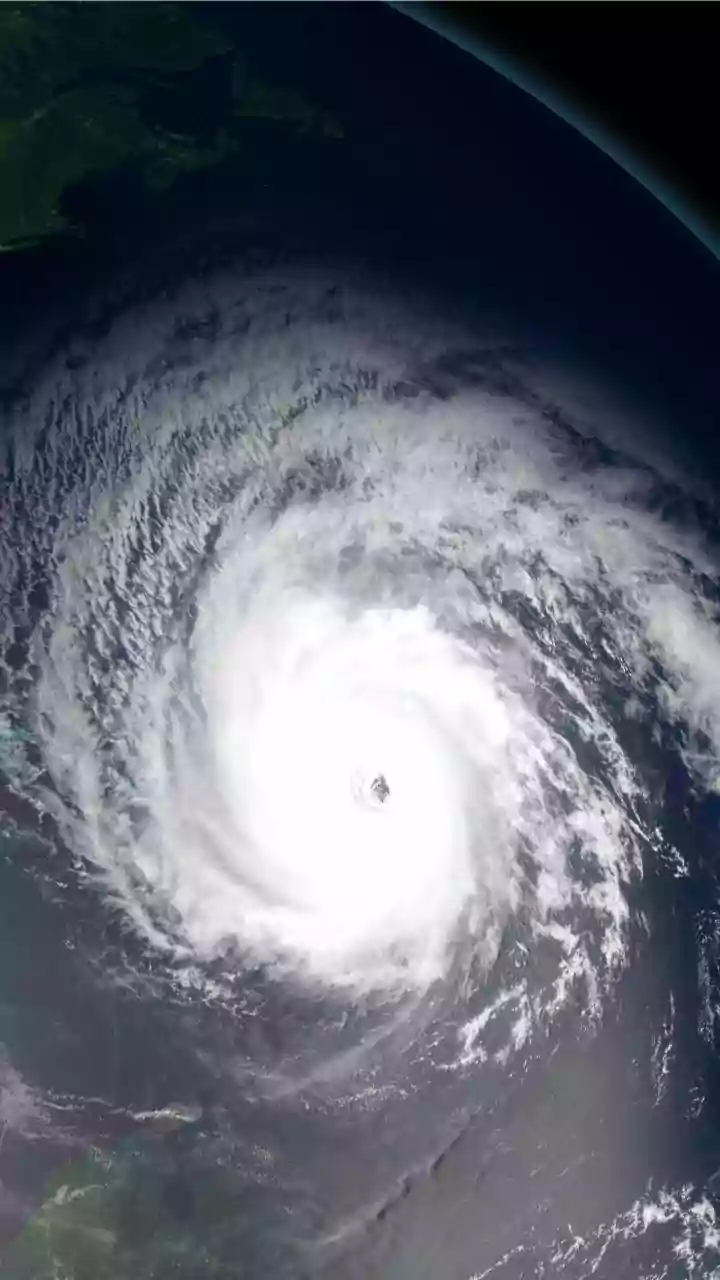
While the Coast Guard's focus is on the sea, the impact of Cyclone Arnab extends far inland, making land travel extremely hazardous. The India Meteorological Department (IMD) has forecast extremely heavy rainfall for coastal Andhra Pradesh and Odisha, with heavy rain also expected in Telangana, Chhattisgarh, and even parts of Uttar Pradesh and Bihar. This creates a high risk of widespread flooding, which can submerge roads and railway tracks. Strong winds also pose a significant threat by uprooting trees and power poles, leading to blocked routes and potential accidents. In response, Indian Railways has cancelled or diverted numerous train services running through the affected regions as a precautionary measure. Authorities strongly advise postponing all non-essential road and rail travel until the storm subsides and infrastructure is declared safe.
Disruptions Expected in Air Travel
Air travel is also significantly impacted. The Ministry of Civil Aviation has reviewed the readiness of airports, but severe weather conditions inevitably lead to disruptions. Airlines, including Air India, issued travel advisories warning that flights to and from coastal airports like Visakhapatnam and Vijayawada would likely be affected. Passengers are urged to check their flight status directly with the airline before heading to the airport. Flight suspensions at some Andhra Pradesh airports were announced as the cyclone approached. Delays and cancellations can happen with little notice due to poor visibility, strong crosswinds, and for the safety of passengers and crew. Even getting to the airport can be a challenge, with road travel also being hazardous.
General Preparedness Is Key
The primary message from all agencies, including the National Disaster Management Authority (NDMA), is to prioritise safety above all else. This means the safest journey during a cyclone is often no journey at all. Authorities have ordered the evacuation of nearly 100,000 people from low-lying coastal areas in Andhra Pradesh and Odisha to cyclone shelters. For those not in immediate evacuation zones, it is crucial to stay indoors and away from vulnerable structures. Prepare an emergency kit with essentials like food, drinking water, medicines, and charged power banks. Follow official updates from the IMD and NDMA and comply with all instructions from local authorities. The goal is to ensure zero loss of life by taking proactive, coordinated measures.