



Plan Ahead: Research is Your First Line of Defence
A safe trip begins long before you start your journey. The monsoon is notoriously unpredictable, making meticulous planning essential. Your first step should always be to check the latest weather forecasts from reliable sources like the India Meteorological
Department (IMD). Pay attention not just to your final destination but the entire route. The Western Ghats are prone to landslides, and heavy rainfall can lead to the sudden closure of roads and trekking trails by local authorities. Recent incidents in Wayanad and Kodagu highlight the real risks of landslides during this season. Always have a backup plan and be prepared to change your itinerary if conditions become unsafe. Inform a friend or family member of your travel plans, including your intended route and expected return time.
Choose Your Destination Wisely
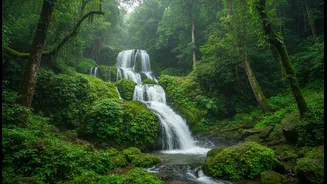
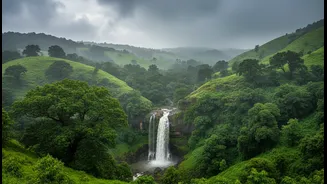
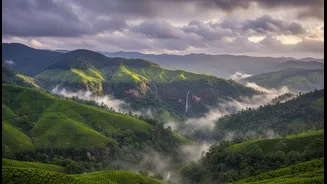
Not all destinations in the Ghats are created equal during the monsoon. While some spots become dangerously inaccessible, others offer relatively safe and breathtaking experiences. Areas with a history of landslides or flash floods, particularly those with steep, unstable slopes like parts of Wayanad, Munnar, and the Nilgiris, require extreme caution. Consider destinations known for their rolling hills and well-maintained trails, such as Mahabaleshwar, Coorg, or certain parts of Chikmagalur. Many trekkers opt for fort treks in Maharashtra like Lohagad or Visapur, which have gradual, wide paths that are safer in the rain. Avoid treks known for technical, near-vertical climbs or those that involve multiple river crossings, as water levels can rise unexpectedly.
Pack Smart: The Essential Monsoon Kit
Your packing list can make or break your monsoon adventure. The golden rule is to ditch cotton, which absorbs moisture and becomes heavy, in favour of lightweight, synthetic, quick-drying fabrics. A high-quality waterproof jacket or a poncho that can cover you and your backpack is non-negotiable. For footwear, sturdy trekking shoes with excellent grip are a must to navigate slippery rocks and muddy trails. It's also wise to carry a pair of floaters or waterproof sandals for less strenuous moments. Protect your electronics, documents, and spare clothes by packing them in waterproof dry bags or, at a minimum, multiple layers of plastic bags inside your main luggage. A basic first-aid kit, insect repellent, and a headlamp are other crucial additions.
On the Trail: Navigating a Wet World
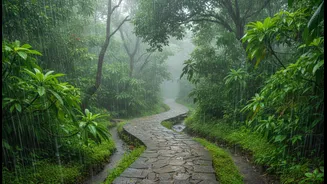
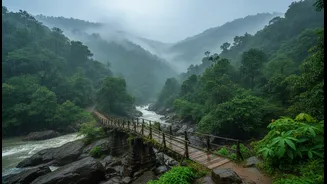
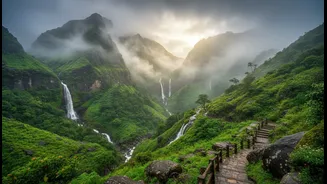
Trekking in the rain is an exhilarating experience, but it comes with its own set of rules. Never trek alone; always go with a group or a local guide who understands the terrain's nuances during the monsoon. Stick to clearly marked trails and resist the temptation to take shortcuts, which can lead you into dangerous areas. Be extremely cautious on slippery rocks and when crossing streams. What seems like a gentle brook can quickly become a raging torrent after heavy rain. Leeches are a common feature of monsoon treks; wearing leech socks and keeping your skin covered can help. If you do get bitten, use salt or a sanitizer to remove them, don't pull them off.
Road Safety and Health Precautions
Driving in the Ghats during the monsoon requires immense patience and caution. Roads can be slippery, and visibility can drop to near-zero in an instant. Drive slowly, keep your headlights on, and maintain a safe distance from other vehicles. Avoid driving through waterlogged areas, as they can conceal deep potholes or debris. When it comes to health, be vigilant. Drink only bottled or purified water to avoid waterborne diseases. Be cautious with street food and opt for hot, freshly cooked meals. To guard against mosquito-borne illnesses like dengue, use repellent and wear long-sleeved clothing, especially at dawn and dusk.