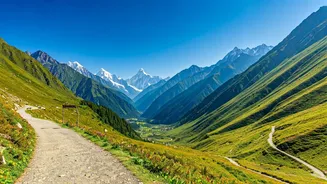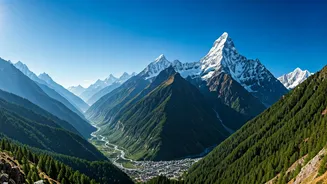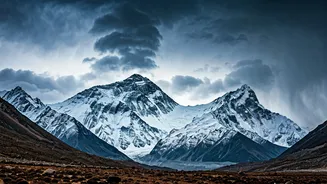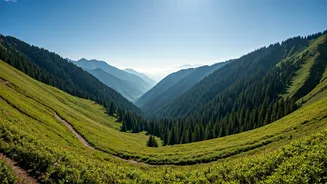







More Than Just a Pretty View
The attraction to mountains is deeply rooted in our well-being. Research consistently shows that spending time in natural, mountainous environments can have profound positive psychological effects. [2] Studies indicate that exposure to mountain regions
can reduce stress, anxiety, and symptoms of depression. [9, 10] The vastness of the landscape inspires a sense of awe, which can shift our perspective on personal problems, making them seem smaller and more manageable. [8, 14] Physically, the benefits are just as compelling. Higher altitudes can boost cardiovascular fitness by encouraging the body to work more efficiently to distribute oxygen. [4, 5] The crisp, clean air, free from urban pollution, can improve cognitive function and mental clarity. [4] Even just 20 minutes in a natural setting can lower levels of the stress hormone cortisol, making the call of the mountains a call for better health. [14]
The 'Work-from-Mountains' Revolution
What was once a daydream is now a viable lifestyle, thanks to the widespread adoption of remote work. [11] The “Work from the Hills” trend has seen urban professionals swapping city apartments for long-term stays in mountain towns. [13] This shift is fueled by improved digital infrastructure, with a significant increase in mobile tower installations and Wi-Fi availability in regions like Himachal Pradesh and Uttarakhand. [11] As a result, destinations like Manali, Rishikesh, and Dharamshala have seen a major increase in long-stay bookings from remote workers. [11] This lifestyle offers a potent antidote to urban burnout, blending productivity with the peace of nature. [30] Professionals are discovering that a Himalayan backdrop to their Zoom calls is not just a novelty but a sustainable way to improve work-life balance and overall happiness. [13]
Answering the Call: Your Mountain Starter Pack
The growing preference for quieter, slower-paced holidays has been dubbed 'hushpitality', and India's mountains are its epicentre. [12, 15] According to a 2026 travel report, relaxation is the primary motivation for 67% of Indian travellers, leading to a surge in searches for Himalayan destinations. [16] Dharamshala, with its Tibetan culture and forest trails, saw a 154% year-on-year increase in accommodation searches. [15, 25] Rishikesh, known for yoga and wellness, saw a 65% jump. [12, 16] Lesser-known gems in Uttarakhand like Uttarkashi are also gaining traction for those seeking a more direct experience with nature. [25] Other popular choices for both long workations and short breaks include the colonial charm of Shimla, the adventurous landscapes of Leh-Ladakh, and the clean, green city of Gangtok in Sikkim. [20, 24]
From Dream to Destination: A Practical Guide
Answering the mountain's call requires some practical planning. If you're planning a long 'workation', internet connectivity is key; always confirm the speed and reliability with your accommodation beforehand. [21] Acclimatisation is crucial, especially when travelling to high-altitude destinations like Ladakh, so plan to take it easy for the first couple of days. Embrace the principles of slow travel: instead of a packed itinerary, allow yourself time to immerse in the local culture. [22] This means supporting local businesses, respecting local customs, and being mindful of your environmental impact. [22] The surge in tourism has put a strain on the fragile Himalayan ecosystem, with waste management being a major challenge. [31] As a visitor, you can help by minimising single-use plastics, carrying your non-biodegradable waste back with you, and choosing eco-conscious homestays.