








The Reality of NCR Traffic
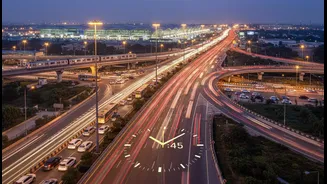
In the National Capital Region, the clock is not always in sync with the odometer. The biggest variable in your airport commute is traffic. What might be a 30-minute drive at dawn can easily stretch to 90 minutes or more during peak hours. Studies have
shown that Delhi's 'rush hour' can feel like it lasts all day, sometimes from 8 AM to 8 PM, with average speeds dropping significantly. Major arteries like the Delhi-Gurgaon Expressway or the roads connecting Noida can become unpredictable choke points due to accidents, VIP movements, or even weather. For a journey from Greater Noida to IGI Airport, which is about 40 km, drivers might need to budget nearly two hours during peak times. This makes factoring in a generous time buffer not just a suggestion, but a necessity.
Your Mode of Transport Matters Most
The choice between a cab, private car, or the Metro can make or break your schedule. The Delhi Metro's Airport Express Line is often the fastest and most predictable way to reach IGI's Terminal 3, covering the distance from New Delhi Railway Station in about 20 minutes for a fare of around ₹60. It bypasses all road traffic, offering a reliable alternative, especially during peak hours. However, it may be less convenient for those with lots of luggage or travellers heading to Terminal 1, which requires a shuttle bus from a nearby Metro station. Cabs offer door-to-door convenience but are subject to unpredictable traffic and surge pricing, which can dramatically increase costs during peak demand. Driving your own car provides comfort but comes with the hassle and expense of parking, which can be considerable for multi-day trips.
Calculating the Real Cost
The cheapest option on paper isn't always the most economical overall. A cab fare might seem reasonable at first, but surge pricing during rush hour or late at night can easily double or triple the initial estimate. Additionally, rides from the airport often include a fixed pickup charge, which can be around ₹290 for app-based cabs at IGI, significantly inflating the cost of shorter trips. Add to that any tolls you might cross. Conversely, while the Metro has a low, fixed fare, you may need to factor in the cost of getting to and from the station. For those driving, parking at IGI Airport can range from a few hundred rupees for a few hours to much more for daily rates, an expense that adds up quickly.
An Expanding Airport Landscape
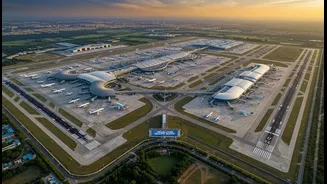
The calculus of NCR airport travel is changing. While Indira Gandhi International (IGI) Airport remains the primary hub, the growing role of Hindon Airport in Ghaziabad and the recent opening of Noida International Airport at Jewar are shifting the dynamics. Hindon, operating under the UDAN scheme, now offers flights to several domestic destinations, providing a convenient alternative for residents of Ghaziabad and East Delhi. The new Noida International Airport is a game-changer for those in Noida, Greater Noida, and surrounding parts of Uttar Pradesh, potentially saving them hours of travel time they would have spent commuting to IGI. As these airports expand and add more routes, choosing which airport to fly from becomes another strategic decision.
How to Plan a Predictable Journey
To navigate the chaos, planning is key. Always check real-time traffic using apps like Google Maps before you leave. If travelling by road during peak hours (roughly 8-10 AM and 5-9 PM), add a significant buffer to your estimated travel time—at least 30-45 minutes extra. If your destination is T3 and you are near a Metro line, the Airport Express is your most reliable bet for both time and cost. For residents of Noida and Greater Noida, the opening of Jewar airport and its planned connectivity via the Namo Bharat RRTS and bullet train will eventually make it the default choice. Ultimately, the smartest travellers in NCR don't just measure distance; they measure time, cost, and stress to choose the genuinely fastest and most efficient route.