


A World Washed Anew
The most immediate change that greets you in October is the sheer vibrancy of the landscape. After months of rain, the forests are washed clean, dust has settled, and the air is crisp. The vegetation is at its most lush, with emerald canopies and thick
undergrowth creating a breathtaking backdrop for your adventure. Rivers and waterholes are brimming, reflecting the clear blue skies. This isn't the dry, stark beauty of summer but a jungle teeming with life and colour, offering a completely different but equally magical atmosphere. For photographers and nature lovers, this post-monsoon greenery is a spectacle in itself.
Wildlife on the Move
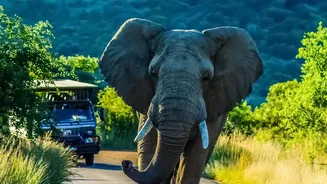
So, what does this lushness mean for animal sightings? While dense vegetation can sometimes make spotting elusive predators a bit more challenging, the overall animal activity is high. After being confined by heavy rains, many species are more active, venturing out to explore the rejuvenated landscape. Herbivores like deer and gaur are in prime condition after a season of abundant food. More importantly, this period often coincides with the end of the breeding season, meaning you might witness young ones taking their first steps. October is also a fantastic time for birdwatching, as resident birds are active and early migratory species begin to arrive, adding a splash of colour and song to the forest.
The Planner’s Advantage
October often represents a sweet spot for travellers. It marks the beginning of the peak safari season, which generally runs from October to March, but it precedes the major rush of tourists that arrives in November and December. This means you can often enjoy a more serene experience with fewer jeeps crowding the tracks. This can lead to better availability of safari permits, preferred zones, and accommodation. The weather is another significant plus. The intense heat of summer and the humidity of the monsoon are gone, replaced by pleasant daytime temperatures and cool mornings, making for comfortable hours spent in an open safari vehicle.
Top Parks to Visit in October
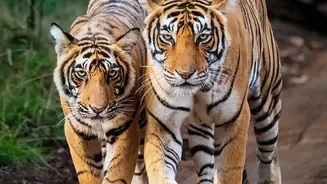
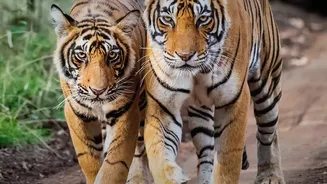
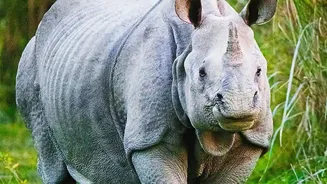
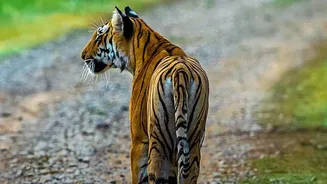
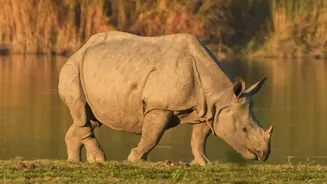
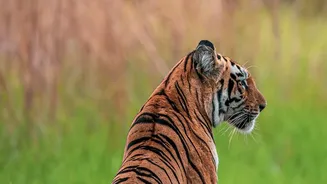
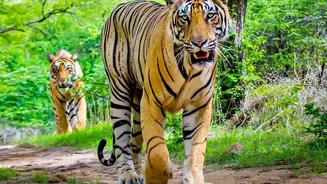
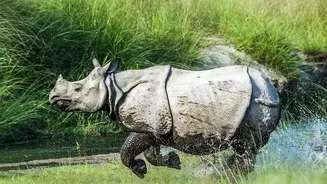
Many of India’s premier national parks reopen their core zones to visitors on or around the first of October. Parks in Central India like Kanha, Bandhavgarh, and Pench are excellent choices, renowned for their tiger populations and beautiful sal forests. Kanha, which reopens on October 1st, is particularly stunning with its vast meadows and chances to see the rare barasingha. Bandhavgarh, known for having one of the highest tiger densities, reopens its core zones around October 15th. In Rajasthan, Ranthambore National Park also reopens on October 1st, offering the unique experience of seeing wildlife against a backdrop of ancient forts and ruins. For those interested in a different ecosystem, Kaziranga in Assam, famous for its one-horned rhinoceroses, also begins to welcome visitors as the floodwaters recede.
Know Before You Book
It's crucial to remember that opening dates can vary slightly by park and even by zone within a park. For instance, at the popular Jim Corbett National Park, peripheral zones like Jhirna and Bijrani typically open around mid-October, but the prime Dhikala zone, famed for its tiger sightings, doesn't open until mid-November. Always check the official reopening dates for the specific park and zones you wish to visit. Since this is the start of the season, booking your safaris and accommodation well in advance is highly recommended to avoid disappointment, as permits for popular parks get snapped up quickly.