



The Allure of the 'Healthy' Chip
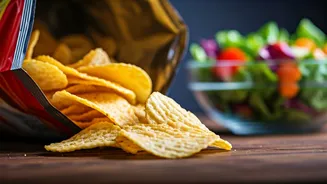
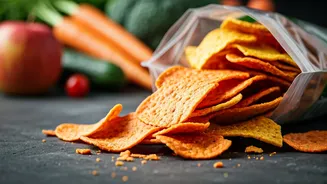
Strolling down the snack aisle, it’s easy to be tempted by bags boasting phrases like 'baked, not fried,' 'veggie,' or 'low-fat.' These products, from baked potato chips to colourful veggie straws, are marketed as a guilt-free alternative to their classic
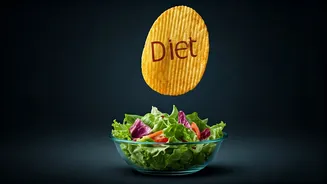
fried counterparts. On the surface, the logic seems sound. For example, baked potato chips can have around 50% less fat and slightly fewer calories than fried chips. Similarly, chips made from vegetables like beetroot, sweet potato, or spinach sound inherently more virtuous. This marketing creates a 'health halo,' where a single positive claim—like 'low-fat' or 'made with real vegetables'—makes us perceive the entire product as healthy. This effect can be so powerful that it influences not just what we buy, but how much we eat, often leading us to consume more than we would of a standard 'junk' food.
A Closer Look at the Ingredients
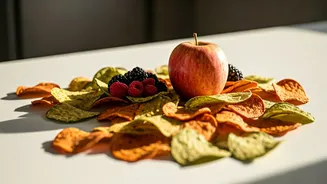
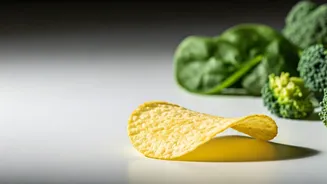
The problem, according to nutritionists, begins when you read the full ingredient list. Many so-called veggie chips, for instance, are not simply sliced and dehydrated vegetables. Instead, they are often made from potato starch, corn flour, and a small amount of vegetable powder for colour and flavour. This means the minimal nutrients from the actual vegetables are largely lost. These products are better defined as ultra-processed foods, which are industrial formulations made mostly from substances extracted from foods, like starches and fats, along with additives. Even seemingly simple baked chips can be more complex than you think. To make up for the lack of flavour from frying, manufacturers often add more sodium, sugar, and other flavour enhancers. A serving of baked chips can contain significantly more sodium than the same amount of regular chips, a trade-off that has its own set of health implications, including an increased risk of high blood pressure.
The Ultra-Processed Reality
Whether baked, fried, or made from vegetable powder, most packaged chips fall into the category of ultra-processed foods (UPFs). These foods are designed to be convenient and hyper-palatable, but studies have linked high consumption of UPFs to a greater risk of obesity, heart disease, and type 2 diabetes. One reason is that the extensive processing strips away fibre and micronutrients. Another is that their formulation can encourage overconsumption. One study found people ate about 500 more calories per day when on an ultra-processed diet compared to an unprocessed one, even when the meals were matched for nutrients like fat, sugar, and salt. While some minimally processed foods like whole-grain bread can be part of a healthy diet, salty snacks are generally considered UPFs that should be consumed infrequently.
The Acrylamide Question
Another concern with chips, particularly those made from potatoes, is a chemical called acrylamide. This substance can form when starchy foods are cooked at high temperatures, such as through frying or baking. Research has suggested a potential link between acrylamide and cancer, although the connection is still being studied. Surprisingly, some findings indicate that baked potato chips may contain even higher levels of acrylamide than their fried counterparts. This is because the process often involves starting with dried potato flakes and using high heat to form them into chips, which can create more of the chemical. This fact further complicates the idea that 'baked' automatically means better.
What Do Nutritionists Suggest?
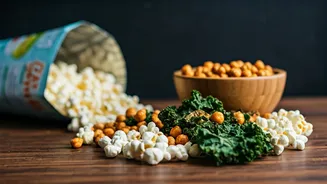
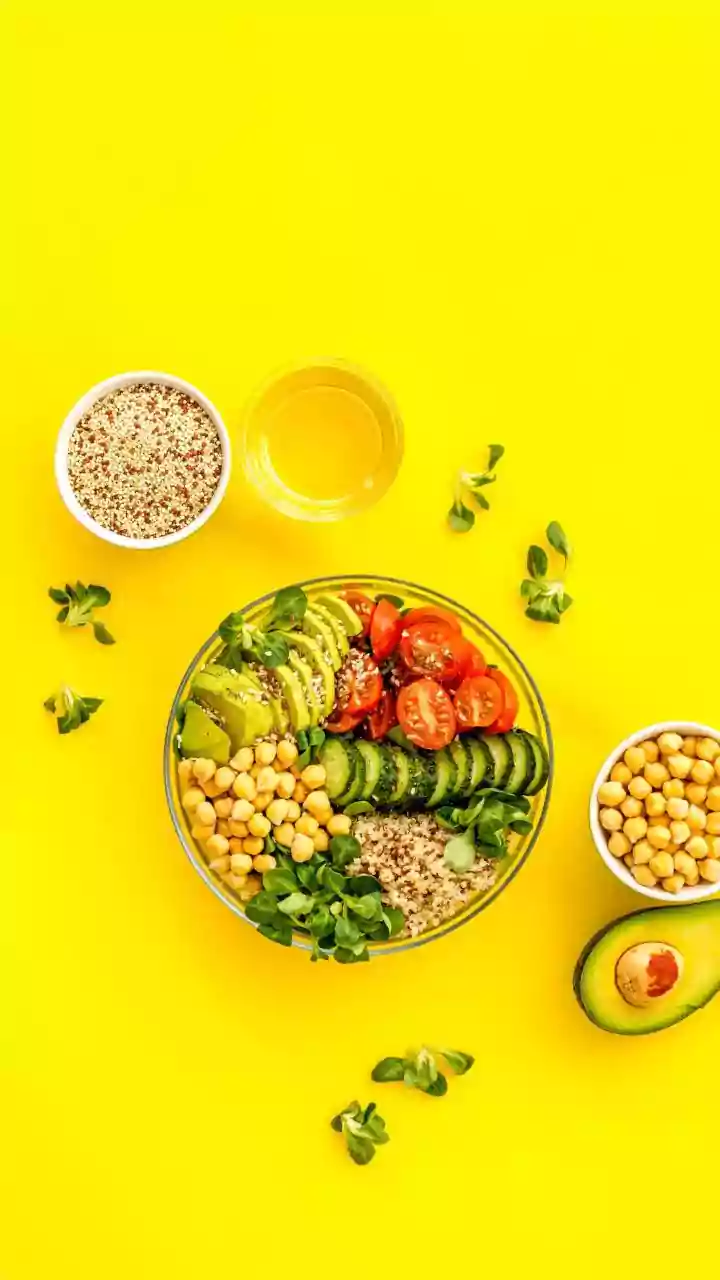
So, what's a health-conscious snacker to do? The consensus among nutrition experts isn't to banish chips forever, but to be more mindful. Many suggest that if you're truly craving chips, it might be better to have a small, controlled portion of the regular, fried kind and genuinely savour it, rather than mindlessly eating a larger bag of a 'diet' version. The key is portion control, as one serving is typically just about 15 chips. For a truly nutritious and crunchy snack, the best alternatives are whole foods. Think about snacking on actual vegetables like carrot or cucumber sticks with hummus, a handful of nuts, or even making your own baked chips at home where you can control the ingredients, oil, and salt levels. Reading the full nutrition label, rather than relying on front-of-package claims, is crucial for making an informed choice.