







The First Step: Registration and Medical Fitness
Your journey to the holy cave begins not at the base camp, but with securing your Yatra Permit. The Shri Amarnathji Shrine Board (SASB) manages registrations, which can be done online through their official website or offline at designated bank branches.
A crucial requirement for every pilgrim is the Compulsory Health Certificate (CHC). This must be issued by a doctor or medical institution authorized by the SASB. The certificate confirms your fitness for the strenuous, high-altitude trek, as the pilgrimage reaches heights of nearly 14,000 feet. Age restrictions are strictly enforced: pilgrims must be between 13 and 70 years old. Pregnant women beyond six weeks are not permitted to undertake the journey. Once registration is complete and your CHC is uploaded, you will be issued a Yatra Permit and a mandatory RFID card, which must be worn at all times for safety and tracking.
Choose Your Path: The Traditional Pahalgam or Swift Baltal Route
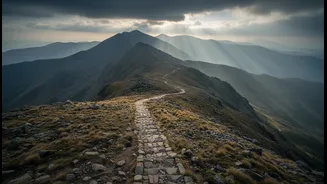
Pilgrims have two distinct routes to reach the Amarnath cave: the traditional Pahalgam route and the shorter Baltal route. Your choice will significantly shape your experience. The Pahalgam route is the longer, more scenic path, stretching around 45-48 kilometres and typically taking three to five days to complete. Its gradual ascent allows for better acclimatization, making it the recommended choice for most first-time yatris, families, and those who wish to immerse themselves in the Himalayan landscape. The Baltal route is much shorter at about 14 kilometres, often completed in a single, strenuous day. While it is ideal for those with limited time and high physical fitness, the ascent is steep and rapid, offering less time for the body to adjust to the altitude. Both routes are equipped with facilities like medical posts, food stalls, and resting camps.
Packing Smart: Essentials for the Mountain
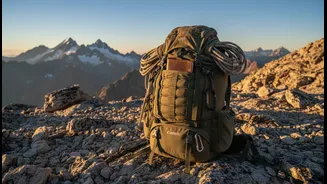
Packing for the Amarnath Yatra requires a balance between being prepared and travelling light. Layering your clothing is essential due to unpredictable mountain weather. Your backpack should include thermal innerwear, a fleece jacket, and a waterproof, windproof outer layer. Sturdy, waterproof trekking shoes with good grip are non-negotiable; ensure you break them in before the yatra to avoid blisters. Other essentials include woollen socks, gloves, a cap, sunglasses, and high-SPF sunscreen, as UV exposure is stronger at altitude. Carry a small personal medical kit with basic supplies like pain relievers, bandages, antiseptic cream, and any personal medications. A reusable water bottle, energy bars, and dry fruits are vital for staying hydrated and energized. Finally, a torch or headlamp with extra batteries and a rain cover for your backpack are practical additions.
Health and Safety: Acclimatize and Listen to Your Body
The biggest challenge of the yatra is the high altitude, which can cause Acute Mountain Sickness (AMS). Symptoms include headaches, dizziness, loss of appetite, and breathlessness. To prevent this, physical preparation is key. Start walking 4-5 kilometres daily and practice deep-breathing exercises for at least a month before your journey. Once on the trail, walk slowly, take frequent breaks, and acclimatize properly. It is crucial to drink around five litres of water daily to stay hydrated and consume a carbohydrate-rich diet for energy. Avoid alcohol, caffeine, and smoking, as they can worsen dehydration and altitude sickness. If you experience persistent symptoms of AMS, do not ignore them or ascend further. The only cure is to descend to a lower altitude immediately and seek medical help at one of the many medical posts along the route.
The Spiritual Journey: Embracing the Purpose
While physical preparation is about making the journey possible, mental and spiritual readiness makes it fulfilling. The yatra is a test of devotion, and approaching it with the right mindset can deepen the experience. Embrace the challenges as part of the pilgrimage. The rugged terrain and unpredictable weather are humbling reminders of nature's power. Engage with fellow pilgrims, share stories, and draw strength from the collective faith. The chants and the shared purpose create a powerful spiritual atmosphere. When you finally reach the cave and witness the sacred ice Lingam, allow yourself a moment of quiet reflection. The journey is not just about reaching a destination, but about the transformation that occurs along the way. By respecting the environment, following the guidelines, and focusing on your spiritual goal, your first Amarnath Yatra can become a truly memorable and blessed experience.