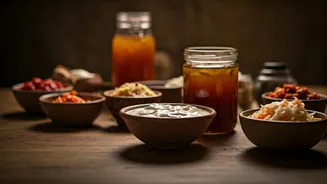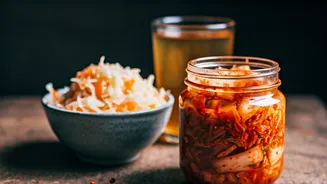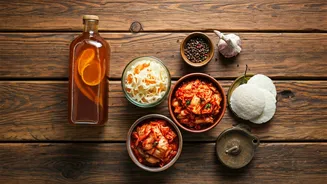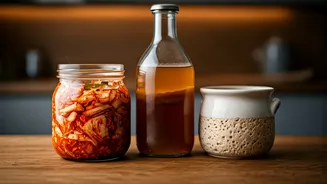





What Is Fermentation, Really?
At its heart, fermentation is a natural transformation. It’s the process where microorganisms like bacteria, yeast, or fungi convert compounds like sugars and starches into other products, like alcohol or acids. Think of it as controlled decomposition.
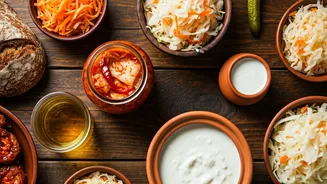
This process not only preserves food but also fundamentally changes it, creating new flavours, textures, and aromas. The sour tang of dahi, the airy lightness of a dosa batter, and the sharp kick of a good achaar are all thanks to these microscopic helpers. They are nature’s tiny chefs, working to break down food into a more stable and often more delicious state. This ancient technique was born of necessity—a way to keep food edible long before refrigerators existed—but its benefits go far beyond simple preservation.
The Gut Health Connection
The most talked-about benefit of fermented foods is their connection to gut health. Many fermented products are rich in probiotics—beneficial live bacteria that can help maintain a healthy balance in your digestive system. A healthy gut microbiome, the community of trillions of microbes living in your intestines, is linked to everything from better digestion and a stronger immune system to improved mood. Foods like homemade curd are packed with these friendly bacteria. However, it's important to know that not all fermented foods contain live probiotics. Processes like baking (sourdough bread) or pasteurisation can kill the live cultures. Even so, the fermentation process can make foods easier to digest and increase the bioavailability of nutrients, meaning your body can absorb vitamins and minerals more effectively. While the science is still evolving, a diet rich in a variety of fermented foods is widely considered beneficial for overall wellness.
An Old Indian Tradition
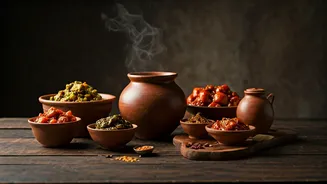
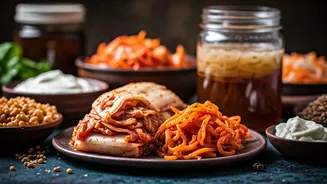
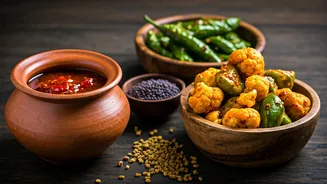
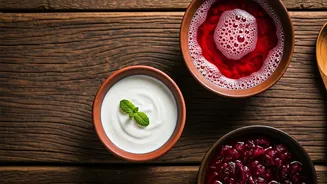
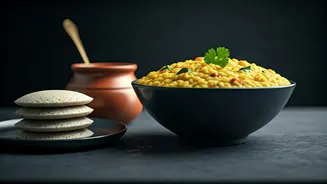
Long before ‘gut health’ became a buzzword, fermented foods were a cornerstone of Indian regional cuisines. We haven't just been eating them; we have been mastering them for centuries. The fluffy idlis and crisp dosas of the South rely on a fermented batter of rice and lentils. In Gujarat, the light and spongy dhokla is a fermented favourite. Across North India, winter brings the delightful gajar ki kanji, a tangy, probiotic-rich drink made from black carrots. And let's not forget the most ubiquitous fermented food of all: dahi. Used in raitas, marinades, lassis, or eaten on its own, it’s a daily staple in millions of households. Even our beloved pickles (achaar) are a product of fermentation, using salt and spices to create an environment where good bacteria thrive and preserve the vegetables for months. Rediscovering fermented foods is, for many of us, simply rediscovering our own culinary heritage.
Flavour’s Secret Weapon
Beyond the health benefits, let’s talk about the real magic: flavour. Fermentation is a chef's secret weapon for creating complexity. It unlocks a depth of taste that simple cooking cannot replicate. The process creates savoury, umami notes, tangy acidity, and a distinctive funk that can elevate a dish from good to unforgettable. Think about the rich, nutty flavour of a well-fermented sourdough, the complex sourness of a traditional pickle that cuts through a rich curry, or the subtle tang that dahi brings to a marinade, tenderising meat while adding a layer of flavour. By embracing fermented foods, you are not just doing your gut a favour; you are expanding your palate and introducing a world of exciting, bold, and sophisticated tastes into your kitchen.
How to Start Your Journey
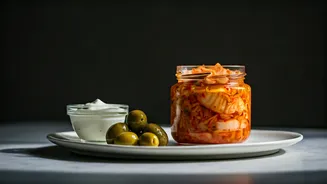
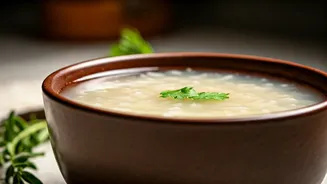
Getting started is easier than you think. You don't need to brew your own kombucha overnight. Begin by consciously appreciating the fermented foods already in your diet. Pay attention to the taste of fresh, homemade dahi. Choose a traditionally made achaar over a mass-produced one loaded with vinegar instead of being properly fermented. If you’re feeling adventurous, try making a small batch of kanji at home—it’s surprisingly simple. The key is to start small and incorporate these foods naturally into your meals. Whether you’re adding a spoonful of kimchi to your fried rice or enjoying a bowl of pakhala (fermented rice) on a hot day, you're tapping into a powerful tradition that nourishes and delights.