




Aloo Paratha for a Hearty Breakfast
There are few things more satisfying on a cold morning than a hot Aloo Paratha, straight from the tawa and laden with a dollop of white butter. A North Indian staple, this whole-wheat flatbread stuffed with a spiced potato mixture is a quintessential
winter breakfast. The carbohydrates from the potato provide a much-needed energy boost to start the day, while the ghee or butter offers healthy fats that help keep the body warm. It’s a simple, filling, and deeply comforting meal that sets a perfect tone for a winter day, often enjoyed with a side of curd or pickle.
Sarson Ka Saag and Makki Ki Roti for Lunch
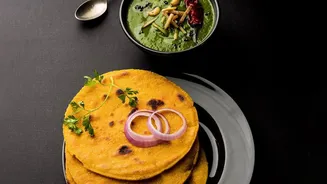
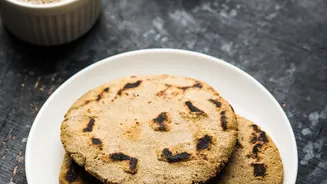
Come winter, and the fields of Punjab are lush with vibrant mustard greens. This bounty is transformed into Sarson ka Saag, a slow-cooked preparation of mustard leaves, often blended with other greens like spinach. This iconic dish is traditionally paired with Makki ki Roti, a rustic flatbread made from cornmeal. Mustard greens are a nutritional powerhouse, packed with vitamins A, C, and K, which are crucial for boosting immunity during the colder months. The dish is also rich in dietary fibre, which aids digestion, and antioxidants that help reduce inflammation. Topped with a generous spoonful of ghee, this combination is the very definition of a wholesome and warming winter lunch.
Shakarkandi Chaat for an Evening Snack
As daylight fades, a tangy and flavourful snack is often in order. Shakarkandi (sweet potato) chaat is a popular street food that makes for a perfect healthy winter snack. Sweet potatoes, which are in season during winter, are boiled, cubed, and tossed with chaat masala, lemon juice, and other spices. This root vegetable is an excellent source of complex carbohydrates, providing sustained energy to combat winter fatigue. It's also rich in fibre, which supports gut health, and beta-carotene (a precursor to Vitamin A), which is vital for immunity and eye health. It’s a guilt-free treat that is both delicious and nourishing.
Undhiyu for a Grand Dinner
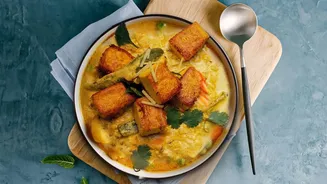
Undhiyu is a celebrated winter delicacy from Gujarat, a complex one-pot dish that embodies the season's finest produce. The name comes from the Gujarati word 'undhu', meaning 'upside down', which refers to the traditional method of cooking the dish underground in an earthen pot. This mixed vegetable casserole features a medley of winter vegetables like surti papdi (hyacinth beans), purple yam, sweet potatoes, and baby eggplants, often combined with fenugreek dumplings called 'methi muthiya'. It’s a hearty, nutritious meal that is especially popular during the festival of Uttarayan (Makar Sankranti). The slow-cooking process allows the flavours of the numerous vegetables and spices to meld together, creating a rich, earthy, and comforting dish perfect for a family dinner.
Gajar Ka Halwa for a Sweet Beginning or End
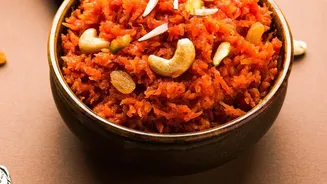
No Indian winter is complete without Gajar ka Halwa. Made with sweet, juicy red carrots that are abundant during this season, this dessert is a household favourite across the country. Grated carrots are slow-cooked in milk and ghee, sweetened with sugar, and often garnished with nuts like almonds and pistachios. Carrots are a fantastic source of Vitamin A and beta-carotene, which are excellent for vision and skin health. Ghee provides warmth, and milk and nuts add protein and calcium. While typically a dessert, its nourishing qualities make it a surprisingly robust choice for a sweet breakfast or a comforting post-dinner treat.
Panjiri for an Energy-Boosting Nibble
Panjiri is a traditional Punjabi sweet snack made from whole-wheat flour, roasted in ghee and mixed with sugar, edible gum (gond), and a generous amount of dry fruits and seeds. This crumbly, nutty mixture is designed to provide heat and energy to the body, making it an ideal winter supplement. The ingredients are known to soothe sore muscles, lubricate joints, and boost immunity against common winter ailments like colds and coughs. Often given to new mothers to help them regain strength, Panjiri serves as a powerful, calorie-dense snack for anyone needing an extra dose of vigour on a chilly day.
Gond Ke Laddu for Strength and Warmth
Gond ke Laddu are energy-packed sweet balls made from 'gond' (edible gum), whole wheat flour, ghee, sugar or jaggery, and loaded with nuts. Gond is a natural resin prized in Ayurveda for its warming properties, making these laddus a winter essential. They are believed to be excellent for bone health and joint strength, as gond is thought to improve calcium absorption and ghee helps lubricate joints, offering relief from winter aches. These laddus provide a slow, steady release of energy, making them a perfect morning snack or a pick-me-up to fight off the cold. Their immune-boosting properties further cement their status as a winter wellness tradition.