




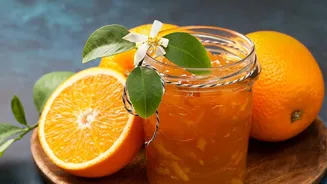
Why You Shouldn't Trash Those Peels
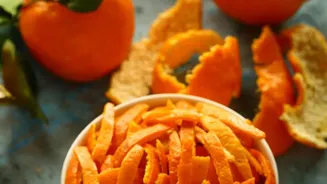
Often discarded, the humble orange peel is a nutritional powerhouse. The peels are packed with dietary fibre, particularly pectin. Pectin is a type of soluble fibre that acts as a prebiotic, meaning it feeds the beneficial bacteria in your gut, contributing
to a healthy digestive system. This is the secret to the chutney's "gut-friendly" claim. Beyond fibre, the rinds contain flavonoids like hesperidin and potent antioxidants, including a significant amount of Vitamin C, which supports immune function. By using the whole peel, you're not just reducing food waste; you're unlocking a host of nutritional benefits and an intense, aromatic flavour that is far more complex than the juice alone.
Gathering Your Ingredients
This recipe is flexible, but here is a classic combination to get you started. For a batch that will fill a medium-sized jar, you will need the peels from about four large, preferably organic, oranges. Using organic is recommended if you plan to consume the peel, to avoid pesticides. You'll also need one cup of sugar (or jaggery for a more traditional flavour), half a cup of apple cider vinegar, a one-inch piece of ginger (finely chopped), two to three cloves of garlic (minced), one teaspoon of mustard seeds, half a teaspoon of turmeric powder, and red chilli flakes to your preferred level of heat. A pinch of salt will balance the flavours.
The Step-by-Step Method
The key to a delicious orange peel chutney is managing the natural bitterness of the rind. First, wash the peels thoroughly and slice them into thin strips. Place them in a saucepan, cover with water, and bring to a boil. Let them simmer for about 10 minutes, then drain. Some recipes suggest repeating this boiling process two or three times to further reduce bitterness. Once boiled and drained, set the peels aside. In the same saucepan, heat a small amount of oil and add the mustard seeds. When they begin to pop, add the minced ginger and garlic, sautéing for a minute until fragrant. Next, add the prepared orange peels, sugar or jaggery, vinegar, turmeric, chilli flakes, and salt. Add about half a cup of water and stir until the sugar dissolves. Bring the mixture to a boil, then reduce the heat and let it simmer gently. Cook for 45-60 minutes, stirring occasionally, until the peels are tender and the mixture has thickened to a jam-like consistency.
Customise Your Creation
This base recipe is a canvas for your culinary creativity. For a warmer, more festive flavour, consider adding a cinnamon stick or a star anise during the simmering process. For extra sweetness and texture, toss in a handful of raisins or chopped dates in the last 15 minutes of cooking. If you enjoy more complex spice profiles, a pinch of garam masala or cumin powder can be added along with the turmeric. You can also experiment with different types of vinegar, such as white wine vinegar, for a slightly different tang. Some even add a splash of brandy or Cointreau at the very end of cooking for a boozy kick.
Storing and Serving Your Chutney
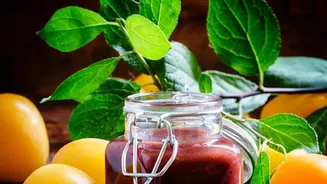
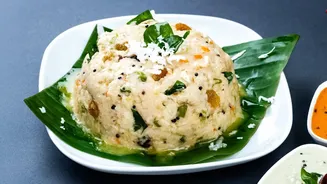
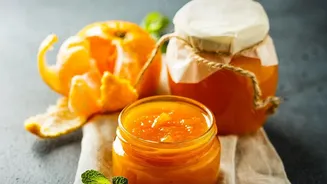
To ensure your chutney lasts, proper storage is essential. Spoon the hot chutney into a sterilised glass jar, leaving a little space at the top. Seal it tightly while it is still hot. Once cooled, it should be stored in the refrigerator, where it will keep for several months. The flavour will actually deepen and improve after a week or two. This tangy preserve is incredibly versatile. Serve it as a condiment with parathas or rice dishes, spread it on toast with butter, or pair it with a sharp cheese and crackers for an elegant appetiser. Its sweet, sour, and spicy notes can cut through rich meats or liven up a simple sandwich.