






The Real Benefits of Eating Slowly
Let's be clear: the advice to eat more slowly is grounded in solid science. It takes approximately 20 minutes for your stomach to send signals to your brain that you are full. When you eat too quickly, you can easily consume more food than your body needs
before this satiety signal kicks in. This can lead to that familiar feeling of being uncomfortably full. Studies have consistently shown that fast eaters tend to weigh more and are at a higher risk of obesity compared to their slower-eating counterparts. Slowing down forces you to chew more thoroughly, which not only aids digestion but has also been shown to reduce calorie intake in its own right. By giving your body time to catch up with your mouth, you enhance fullness hormones, improve digestion, and may even absorb nutrients more effectively.
Where Pace Alone Falls Short
However, relying on speed as your primary dietary strategy is a critical mistake. Imagine eating a large meal of ultra-processed foods, like sugary snacks and fried items, very slowly. You might feel full on fewer calories than if you had rushed, but you have still nourished your body with low-quality ingredients. Slowing down does not magically transform processed food into a nutritious meal. The core problem is that the focus on pace completely ignores the concept of dietary quality. Your body doesn't just need energy; it needs a complex array of vitamins, minerals, fibre, protein, and healthy fats to function, repair itself, and prevent chronic disease. No amount of mindful chewing can add these essential nutrients to a meal that lacks them from the start.
Defining True Dietary Quality
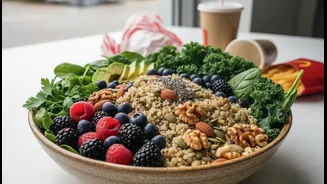
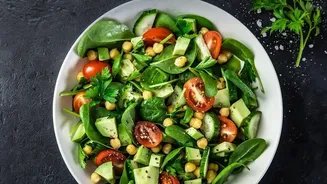
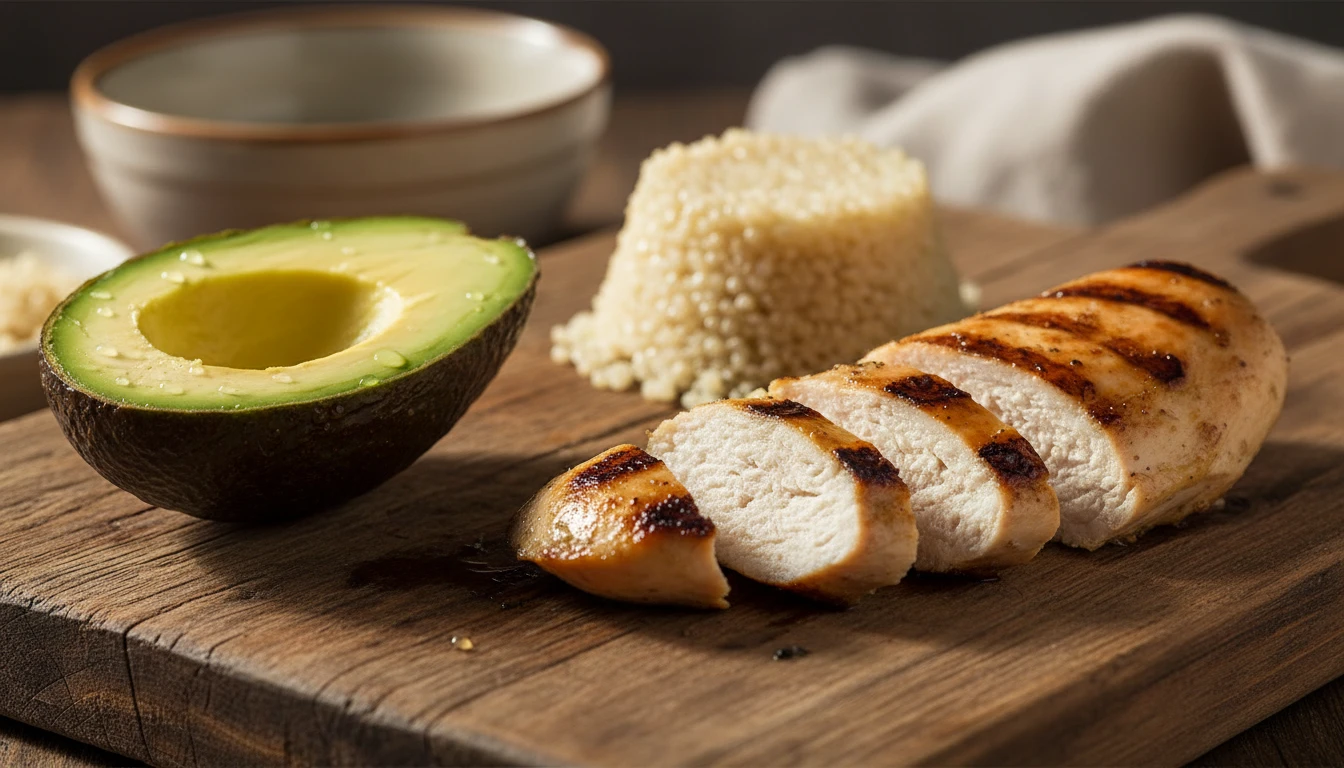
So, what does a high-quality diet actually look like? It's not about calorie counting, but about calorie sourcing. Experts agree that a high-quality diet is one rich in unrefined, minimally processed foods. This means building your meals around a variety of vegetables, fruits, whole grains, healthy sources of protein like fish and legumes, and healthy fats found in nuts, seeds, and olive oil. Conversely, a low-quality diet is characterized by highly processed snack foods, sugar-sweetened drinks, refined grains like white bread, and foods high in saturated and trans fats. The benefits of a high-quality diet go far beyond weight management. These dietary patterns are strongly linked to a lower risk of heart disease, type 2 diabetes, and other chronic conditions. The nutrients in these whole foods support everything from your immune system to your cognitive function.
Putting It All Together: Pace Meets Plate
The most powerful approach to healthy eating is not a choice between pace and quality; it's the fusion of both. The goal is to eat high-quality foods, slowly and mindfully. This practice, often called mindful eating, involves paying full attention to the experience of eating without distraction. Turn off the television, put your phone away, and focus on the food itself—its smells, textures, and flavours. This practice naturally slows you down and increases your enjoyment and appreciation of the meal. When you combine this mindful approach with a plate full of nutrient-dense, whole foods, you create a powerful synergy. You give your body the high-grade fuel it needs while also allowing your digestive system and satiety signals to work as intended. You’ll feel more satisfied with appropriate portions and be better nourished in the long run.