






Our Bodies, Our Bacteria
You are not just you. You are a walking, talking ecosystem, home to trillions of microorganisms, including bacteria, viruses, and fungi, that collectively make up your microbiome. The vast majority of these microbes live in your gut, where they play a critical
role in everything from digesting food and synthesising vitamins to regulating your immune system and even influencing your mood. For this reason, the gut microbiome is often called a 'forgotten organ'. For a long time, however, our understanding of this crucial organ has been surprisingly narrow, based almost entirely on studies of people in North America and Europe.
A Western-Centric Blind Spot
This research bias matters. With South Asians making up a quarter of the world's population, applying a one-size-fits-all model of gut health is not just inaccurate—it can be detrimental. South Asian populations have unique dietary habits, genetic backgrounds, and environmental exposures that profoundly shape their gut microbiomes. They also face a rising tide of metabolic diseases like type 2 diabetes and heart disease, sometimes at rates that puzzle scientists. Recent studies have begun to fill this knowledge gap, confirming that the gut microbiome of an average Indian person looks significantly different from that of a Western counterpart.
The Prevotella Predominance
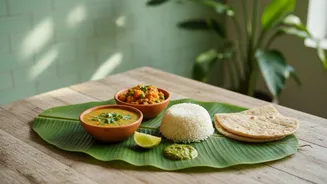
One of the most striking findings from recent large-scale Indian studies is the dominance of a bacterial genus called Prevotella. While Western guts are often dominated by Bacteroides, associated with diets rich in protein and animal fats, Prevotella thrives on the complex carbohydrates and fibre found in plant-based diets. This makes perfect sense in the context of traditional Indian diets, which are often rich in lentils, whole grains, and vegetables. Studies comparing different regions within India have further refined this picture: plant-forward diets in North-Central India correspond to higher Prevotella levels, while the more omnivorous diets of some Southern Indian cohorts show a mix of Prevotella and Bacteroides. This suggests our gut bacteria are a direct reflection of our regional and cultural food traditions.
A Unique Microbial Fingerprint
The differences are not just about one or two bacteria. One major study identified nearly a million microbial genes in the Indian gut that had never been documented in global databases, adding 9% new genetic information to the world's reference catalogue. This incredible diversity underscores how much has been missed by focusing only on Western populations. Some studies have even found that urban Indians still retain microbial signatures, such as the presence of Treponema bacteria, that are more common in non-industrialized populations, pointing to a resilience of the traditional microbiome even amidst modernization. These unique features represent an ancestral heritage, a microbial fingerprint shaped over millennia by diet and environment.
The Health Connection
This unique microbiome has profound implications for health. The loss of traditional diets and the adoption of Westernized, ultra-processed foods has been linked to a loss of beneficial bacteria like Prevotella. This shift is associated with a higher risk of inflammatory conditions. For instance, studies on South Asian immigrants in Canada show that as their diets change, their microbiomes transition, and their risk for inflammatory bowel disease (IBD) rises significantly. Back home, understanding the link between the gut microbiome and the high prevalence of cardiometabolic diseases in India is a major priority for researchers. The unique functions of the South Asian microbiome may hold clues to both risk and protection.
The Future is Personalised
This wave of new research is more than just an academic exercise. It is the first step toward a future of truly personalised medicine and nutrition for India. By understanding what a 'healthy' Indian gut microbiome looks like, scientists can develop targeted probiotics, dietary recommendations, and health interventions that are specifically tailored to the Indian population. Instead of relying on health advice derived from a completely different demographic, we can begin to leverage the wisdom encoded in our own bodies and traditional food systems. The research sharpens the question of microbiome variation by providing a clear answer: we are different, and that difference is vital to our health.