




Why Millets Are a Smart Choice
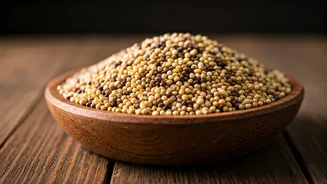
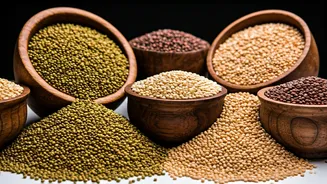
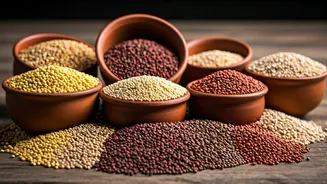
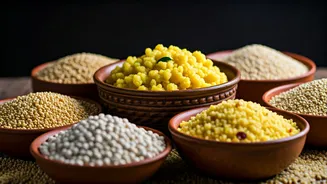
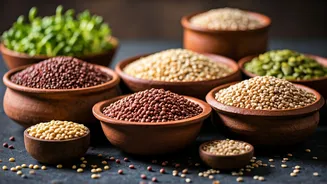
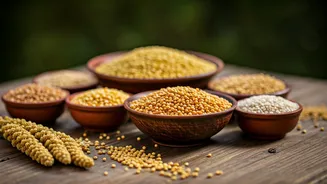
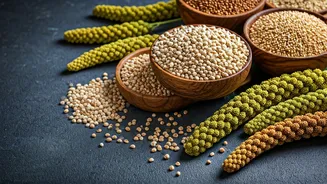
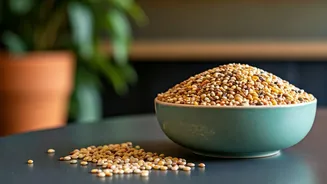
Millets are a group of small-seeded grasses that have been cultivated for centuries in Asia and Africa. Long valued for their resilience, these grains are now celebrated for their impressive nutritional profile. They are naturally gluten-free, making
them an excellent choice for those with celiac disease or gluten sensitivity. One of their standout features is their high fiber content, which aids digestion, promotes gut health, and helps keep you feeling full for longer, which can support weight management. Millets are also packed with essential nutrients like protein, B vitamins, iron, magnesium, and potassium. Different types, such as ragi (finger millet), are exceptionally high in calcium.
Simple Cooking for a Fluffy Base
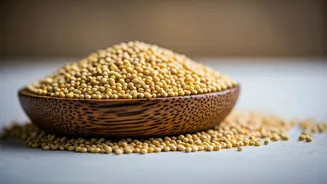
The beauty of millet lies in its simplicity. Cooking it is as easy as cooking rice. The basic method for a fluffy, pilaf-style result involves a 1:2 ratio of millet to water or broth. Simply bring the liquid to a boil, add the rinsed millet, then reduce the heat, cover, and simmer for about 15-20 minutes until the water is absorbed. Let it sit for ten minutes off the heat, then fluff with a fork. For a creamier, porridge-like texture, increase the water ratio to 1:3 and stir more frequently. To enhance their natural, nutty flavor, you can toast the dry grains in a pan for a few minutes before adding liquid.
Effortless Breakfast Ideas
Starting your day with millets is an easy way to fuel your morning. A warm millet porridge is a comforting and nutritious alternative to oatmeal. Cook millet with milk or water until creamy and top with fresh fruit, nuts, or a drizzle of honey. For a savoury option, a foxtail millet upma, packed with vegetables and seasoned with mustard seeds and curry leaves, is a quick and flavourful choice. You can even prepare millet the night before and simply reheat it for a speedy breakfast. Leftover cooked millet can be blended into smoothies for an extra boost of fiber and protein.
Versatile Lunches and Dinners
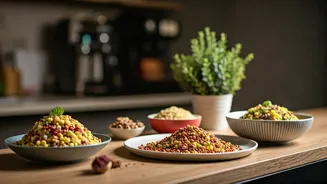
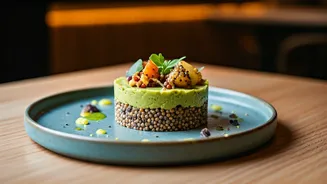
Millets are a fantastic substitute for rice or quinoa in almost any dish. Use cooked and cooled millet as a base for a hearty salad, mixed with chopped vegetables, legumes, and a light vinaigrette. It works beautifully in one-pot meals like khichdi, where it's cooked with lentils and spices for a complete and comforting dish. You can also shape cooked millet into patties for veggie burgers or use millet flour to make nutritious, gluten-free rotis like those made with jowar (sorghum) or bajra (pearl millet). Another simple idea is to stir-fry it with bell peppers, onions, and your favourite protein for a quick and colourful meal.
Healthy Snacks and Treats
Healthy snacking becomes much easier with millets in your pantry. Millet flour can be used to bake delicious and wholesome cookies, muffins, or even cakes. Ragi laddus, made with finger millet flour, jaggery, and ghee, are a traditional Indian sweet that doubles as a nutritious energy bite. You can also make savory crackers or use popped jowar as a light, crunchy snack. Because millets are so versatile, they can be easily incorporated into your favourite snack recipes, boosting their nutritional value without sacrificing taste.