







The Annual Peril of the Hills
For many city dwellers, the call of the mountains is strongest during the summer and monsoon. The promise of cool air and verdant landscapes is a powerful draw. However, this yearly pilgrimage is increasingly fraught with risk. With the onset of the 2026
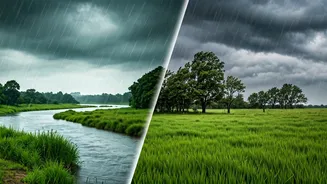
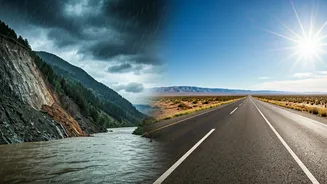
monsoon, authorities have already issued warnings for popular Himalayan states. Reports from late June highlight heavy rainfall alerts for Uttarakhand, with an increased risk of landslides, falling rocks, and flash floods along mountain highways. The situation is similar in other regions; North Bengal is on alert for landslides in Darjeeling and Kalimpong, and heavy rains have caused widespread disruption in the Northeast, leading to floods and damaged infrastructure in states like Arunachal Pradesh and Sikkim. These events are not isolated. Experts point to a recurring pattern where steep slopes, coupled with intense, localized rainfall, make travel on mountain highways a gamble. Roads can be blocked for days, leaving tourists stranded and local infrastructure strained.
The All-Weather Alternative: Fort Towns
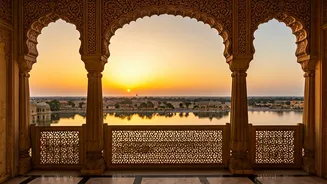
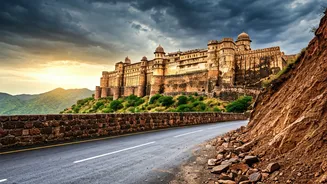
As the mountains become a less predictable option, a compelling alternative emerges from the plains and arid landscapes: India's historic fort towns. Primarily located in states like Rajasthan, these destinations offer a different kind of escape, one steeped in history, culture, and architectural grandeur. Unlike the seasonal accessibility of hill stations, cities like Jodhpur, Jaisalmer, and Jaipur are well-connected year-round by a robust network of highways and railways. Their flat terrain and more predictable weather patterns mean that travel plans are far less likely to be disrupted by natural calamities like landslides. This stability makes them a reliable and stress-free choice, particularly during the turbulent monsoon months when other parts of the country are facing weather-related challenges.
A Journey Through Living History
Visiting a fort town is more than just a trip; it's an immersion in a living museum. Take Jaisalmer, the 'Golden City', where the 12th-century fort is not just a monument but a thriving citadel where a significant portion of the city's population still resides. Walking through its narrow lanes, you find ancient havelis with intricate carvings, Jain temples dating back centuries, and bustling markets—all enclosed within the formidable fortress walls. Similarly, Mehrangarh Fort in Jodhpur, rising from a sheer rock face, offers breathtaking views and a deep dive into the history of the Rathore clan. These forts aren't empty relics; they are the vibrant heart of their cities, offering a tangible connection to a regal past. The experience is one of awe, not anxiety about the journey back home.
More Than Just Monuments
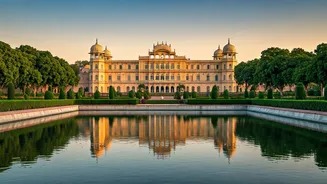
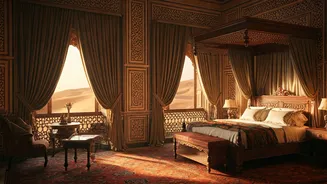
The appeal of these destinations extends far beyond the fort walls. The regions surrounding them offer a rich tapestry of experiences that hill stations often cannot match. A trip to Jodhpur can be combined with a visit to the Umaid Bhawan Palace or the tranquil Mandore Gardens. From Jaisalmer, you can venture into the Thar Desert for a camel safari, camp under the stars at the Sam Sand Dunes, or explore the serene Gadisar Lake. These areas are treasure troves of culture, from the unique community of migrating birds in Khichan to the ancient temples of Osian. The local cuisine, the vibrant handicrafts, and the soul-stirring folk music provide a multi-sensory experience that is both authentic and unforgettable. It's a complete travel package that combines adventure, culture, and relaxation in equal measure.