
The Rise and Fall of the Over-Styled Shelf
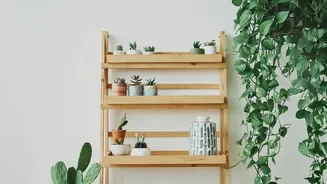
Not long ago, the goal for any stylish shelf was abundance. Inspired by a flood of social media posts, shelves became stages for carefully arranged clutter: dozens of paperbacks, tiny succulents, quirky trinkets, and collections of mismatched ceramics.
The aim was a look that felt personal and layered, but it often resulted in visual noise. This maximalist approach, while charming in a photograph, can feel overwhelming in a real living space. Studies have shown that cluttered environments can increase levels of cortisol, the body's stress hormone, and reduce our ability to focus. Essentially, a room filled with too many small objects keeps our brains working overtime to process the visual information, preventing true relaxation.
A Cultural Shift Towards Calm
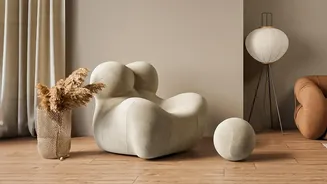
The reversal of the over-styled trend is about more than just aesthetics; it reflects a broader cultural shift. In a world of constant digital distraction, people are increasingly seeking to create homes that function as true sanctuaries. This has fuelled the popularity of design philosophies like Japandi, a hybrid of Japanese minimalism and Scandinavian simplicity. This style emphasizes natural materials, craftsmanship, and a clutter-free environment. It's not about sterile emptiness but about intentionality, where each object is chosen with care and given room to be appreciated. The move away from shelves packed with fast-decor trinkets also points to a growing interest in sustainability and mindful consumption—buying fewer, better things that have longevity and personal meaning.
The Power of Scale and Negative Space
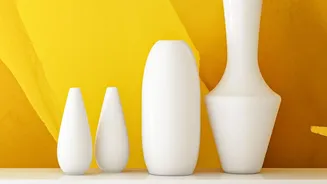
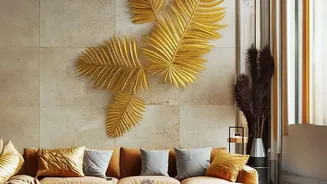
The new philosophy hinges on two core principles: scale and negative space. Instead of ten small items, the trend favours one or two larger, more sculptural pieces. A substantial ceramic vase, a large-format art book, or a single, striking piece of pottery can command more attention and create a bigger impact than a dozen tiny objects competing for it. This approach relies on the power of negative space—the empty area around an object. This 'breathing room' is crucial. It allows the eye to rest, making a space feel calmer and more luxurious. By giving an object prominence, you elevate its importance and allow its form, texture, and colour to be fully appreciated without distraction.
How to Master the 'Fewer, Larger' Look
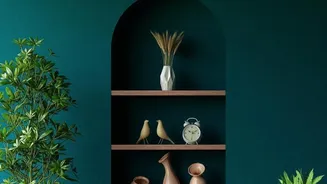
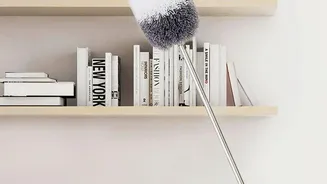
Transitioning from a cluttered to a curated shelf is a process of editing. Start by removing everything and evaluating each piece. The goal is to display only items that are either beautiful, functional, or deeply meaningful. Look for objects with scale. This could include tall vases, large bowls, stacks of coffee table books, or substantial sculptural pieces. When arranging, think in terms of balance, not symmetry. Place a large item on one side of a shelf and balance it with a smaller grouping on the other. Play with height by stacking books horizontally to create a platform for a smaller object. Lean a piece of framed art against the back of the shelf to create layers and depth. Most importantly, resist the urge to fill every gap. The quiet moments are what give the composition its power.