




Beyond the Beaten Path
For years, travel in India often meant ticking off a list of famous monuments. Today, a quiet revolution is underway. A growing number of Indian travellers are looking beyond the gateway metros and well-trodden tourist trails. This shift is driven by
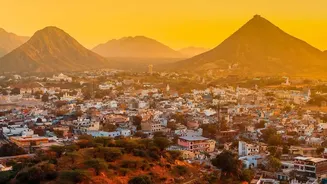
a desire for authenticity, a break from urban stress, and a deeper connection with the destination. Reports show that travellers, particularly millennials and Gen Z, are prioritising personal growth, wellness, and unique experiences over simply sightseeing. This has led to a boom in domestic tourism, with a marked preference for nature-based getaways, lesser-known destinations, and trips that offer a real sense of place. In fact, data shows that a significant number of travellers are now choosing destinations specifically for their cultural offerings and are willing to explore smaller towns to find them.
The Call of the Wild
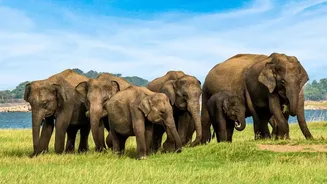
Wildlife tourism is no longer a niche interest reserved for seasoned enthusiasts. It's becoming a mainstream attraction, but with a new focus. While iconic parks like Corbett and Ranthambore remain popular, travellers are increasingly exploring beyond them to places like Satpura and destinations in the Northeast. The experience itself is also evolving. It's less about a quick jeep safari to check a tiger off a list and more about immersive journeys. Travellers are opting for longer stays of three to five nights, allowing them to slow down and truly engage with the landscape. This has given rise to naturalist-led tours, birding expeditions, and conservation-focused trips that offer a deeper understanding of the ecosystem. This evolving demand is creating a high-yield niche for wildlife lodges that offer these curated, experience-driven stays.
The Charm of Rural Retreats
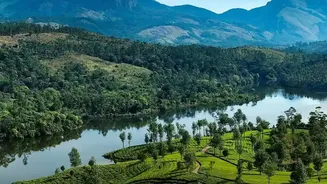
The search for authenticity and slower, more meaningful travel has found its answer in agritourism and rural stays. This segment is experiencing significant momentum as urban Indians seek an escape and a connection to the country's agricultural roots. Farm stays, plantation tours, and rural homestays offer an opportunity to experience India's famed hospitality firsthand, participate in agricultural activities, and enjoy local cuisine in a serene setting. The agritourism market in India was valued at over USD 1.3 billion in 2025 and is projected to grow substantially, driven almost entirely by domestic travellers. States like Maharashtra have seen a huge increase in agritourism centres, providing a vital alternative income stream for farmers and promoting the preservation of rural culture. This form of travel is growing largely through the use of existing housing, making it a low-capital way for rural communities to benefit directly from tourism.
Living Like a Local
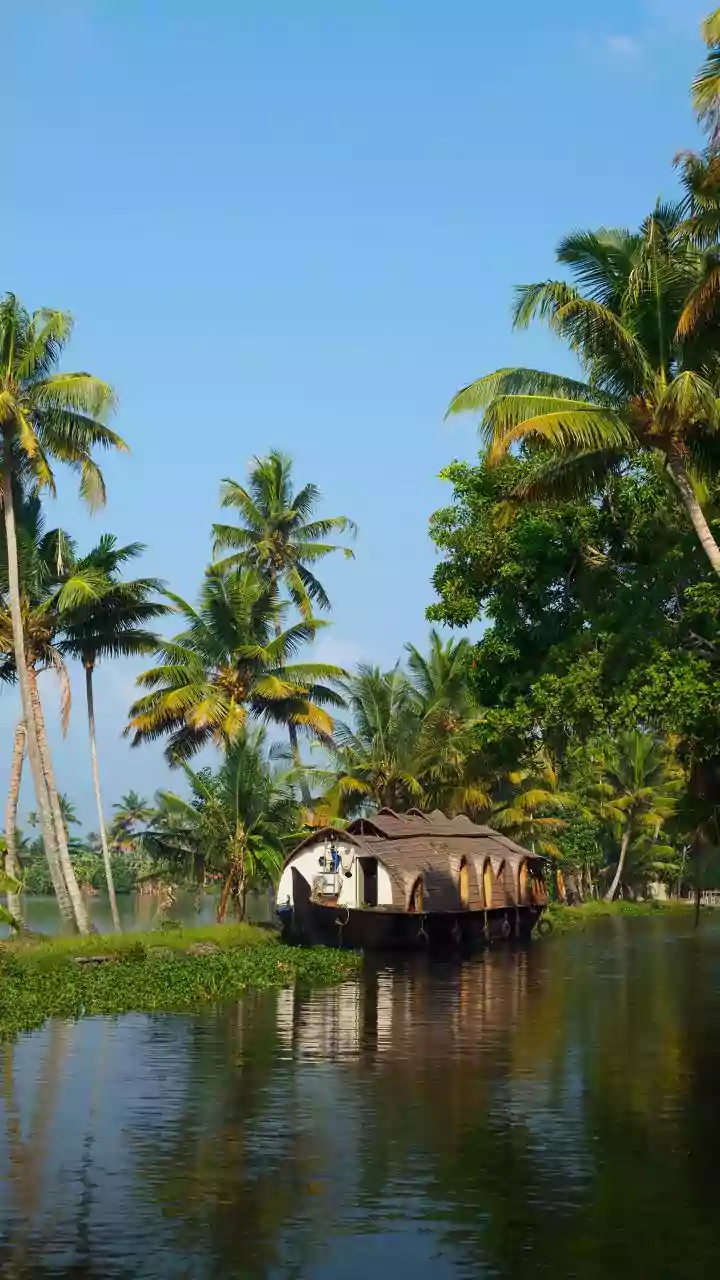
Perhaps the biggest trend is the shift from passive sightseeing to active participation. A staggering 82% of Indian travellers are keen to plan trips around cultural offerings. This isn't just about visiting historical sites; it's about immersive activities that provide insight into local life. Heritage walks, culinary trails, craft workshops, and attending local festivals are becoming central to holiday planning rather than being mere afterthoughts. Reports show that over half of Indian travellers have attended local festivals, and many have changed their travel plans specifically to witness events like Durga Puja in Kolkata or Onam in Kerala. This desire for hands-on experience is so strong that spending on such activities has grown dramatically, with travellers seeking transformative adventures that allow them to learn something new about the place and its people.