




The Anatomy of a Classic
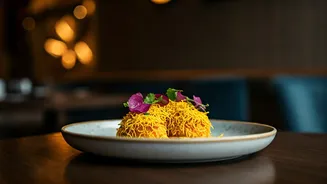
Before it was stuffed into a croissant or layered onto a cheesecake, kunafa was a beloved dessert with deep roots in the Levantine region. At its heart, traditional kunafa is a study in contrasting textures and balanced sweetness. It’s made from shredded
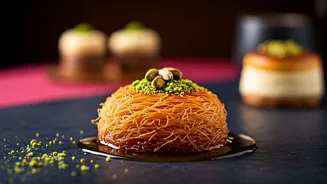
kataifi dough (a type of vermicelli-like phyllo pastry) which is baked with a layer of unsalted, stretchy cheese, like Nabulsi or Akkawi. Once out of the oven, it’s soaked in a fragrant, sweet syrup, often infused with rose or orange blossom water, and finally garnished with a generous sprinkle of crushed pistachios. Served warm, the experience is a delightful combination of crispy, stringy, gooey, sweet, and nutty. This classic form, known as ‘kunafa na'ameh’ (smooth) or ‘kunafa khishneh’ (rough), has been a staple at celebrations and family gatherings across the Middle East for centuries.
Why It's a Hit in India
So, what’s behind its sudden explosion in Indian metros? Kunafa seems to hit a sweet spot for the modern Indian palate. Unlike some intensely sugary Indian mithais, kunafa offers a more balanced sweetness, with the savoury cheese cutting through the syrup. The textural play is another major draw; the combination of a crunchy exterior and a soft, molten interior is universally appealing and reminiscent of beloved dishes like a well-made samosa or even a grilled cheese sandwich. Furthermore, the theatrical element of its preparation and serving—the pouring of the syrup, the dramatic 'cheese pull'—makes it an experience, not just a dessert. This aligns perfectly with the growing consumer demand for food that is both delicious and entertaining.
A Dessert Made for the 'Gram
You can't discuss kunafa’s meteoric rise without crediting social media. The dessert is undeniably photogenic. That vibrant orange-gold hue, the glistening syrup, and the iconic, gravity-defying cheese pull are pure catnip for Instagram Reels and YouTube food vlogs. Influencers and food bloggers across Mumbai, Delhi, Bengaluru, and Hyderabad have latched onto its visual appeal, creating a digital ripple effect that has driven immense curiosity and footfall to cafes and dessert bars. A single viral video of a perfect cheese pull can turn a small, unknown eatery into an overnight sensation. In an age where we often eat with our eyes first, kunafa was perfectly poised for digital stardom, making people want to taste what they’ve been watching.
The Fusion Frenzy
While the classic version laid the groundwork, it’s the creative fusion that has cemented kunafa’s takeover. Chefs and bakers are now using its core components as a canvas for innovation. The headline-grabbing kunafa stuffed croissant, sometimes dubbed the 'kro-nafa', sees the cheesy, syrupy filling baked inside a flaky French pastry. Kunafa cheesecakes use the crispy kataifi base as a textural counterpoint to a creamy cheesecake filling. You can also find kunafa bowls topped with ice cream, Lotus Biscoff, or Nutella. There are kunafa cones, kunafa nests filled with cream, and even savoury versions popping up. This adaptability has broadened its appeal, offering a familiar yet novel experience that keeps diners excited and coming back to try the next new spin.
Trend or Timeless Staple?
With any viral food trend, the question of longevity arises. Is kunafa the new bubble tea, or is it a fleeting fad like dalgona coffee? The signs point towards the former. Unlike trends based purely on novelty, kunafa’s popularity is built on a solid foundation: a genuinely delicious, centuries-old dessert. The current fusion frenzy is simply the way Indian culinary culture is adopting and personalising it. Much like how pizza evolved from a simple Italian staple to a canvas for paneer tikka and chicken tandoori toppings, kunafa is being remixed for a new audience. It has successfully transitioned from an 'exotic' dessert to a familiar comfort food, securing its place on menus across the country.