




The New Weather Whiplash
Remember when you could neatly pack away your woollens by the end of February? Or when the monsoon arrived with predictable punctuality? Those days are fading. India is experiencing more frequent extreme weather events and less defined seasonal boundaries.
Studies show that intense heatwaves are on the rise, winters are often milder, and rainfall patterns are becoming more erratic. This isn't just a weather report; it's a daily reality that directly impacts how we live, and more specifically, how we get dressed. The old logic of a strictly 'summer' and 'winter' wardrobe is becoming increasingly obsolete as the climate sends mixed signals. This unpredictability is forcing a major rethink of what belongs in an Indian closet.
From Seasonal to 'Always-On'
The traditional two-season fashion retail model, a holdover from Western markets, is losing its relevance in India. For years, brands have designed distinct Spring/Summer and Autumn/Winter collections. Yet, in a tropical climate like India's, a vast majority of apparel—like T-shirts, dresses, and denim—sells year-round. The increasingly unpredictable weather further complicates this outdated model. A delayed winter or a prolonged monsoon can leave retailers with piles of unsold heavy jackets or rainwear. In response, both consumers and brands are shifting towards a more practical, 'trans-seasonal' approach. The focus is moving away from clothes designed for one specific, short-lived season and towards pieces that can adapt to fluctuating conditions. This means a greater emphasis on fabrics, layers, and silhouettes that work across a wider range of temperatures and weather scenarios.
The Rise of the All-Rounder Wardrobe
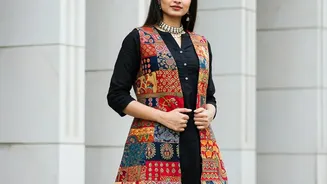
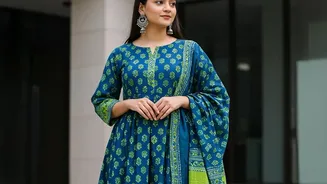
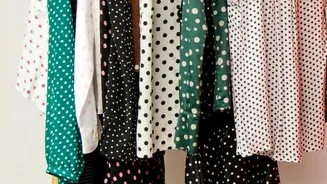
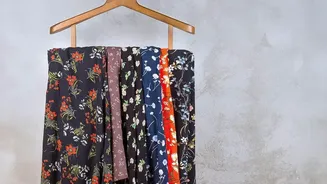
The hero of the modern Indian wardrobe is the 'all-rounder'—a piece of clothing that is versatile, comfortable, and stylish regardless of the season. The key lies in fabric and silhouette. Breathable, natural fabrics like cotton, linen, khadi, and blends like Tencel are becoming the foundation of this new way of dressing. These materials offer comfort in both heat and mild coolness. Silhouettes are also changing. Relaxed, oversized, and fluid fits are gaining popularity not just for their comfort but for their layering potential. Think of a lightweight, hand-block printed cotton dress that can be worn on its own in May, paired with a light jacket on a breezy August evening, or layered over leggings in a mild January. This is the essence of a flexible wardrobe: pieces that multitask.
How Indian Brands Are Adapting
Fashion brands across India are taking note. Many are consciously moving away from rigid seasonal collections and are instead creating 'all-weather' or year-round lines. Labels like The Summer House, Suta, and Jodi Life focus on breathable fabrics and versatile designs perfect for India's climate. Even brands historically known for specific niches, like rainwear specialist Zeel, are expanding into all-season outerwear engineered for the country's diverse conditions. The emphasis is on functionality, comfort, and timeless style. Co-ord sets that can be worn together or as separates, kurta sets in modern cuts, and lightweight jackets are becoming staples in these new collections, offering consumers the building blocks for a truly adaptable wardrobe.
Building Your Flexible Closet
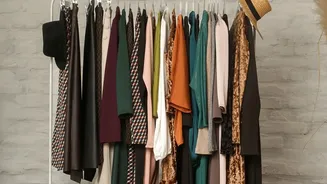
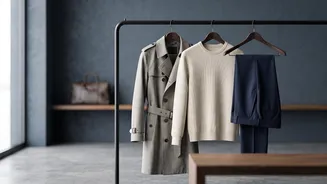
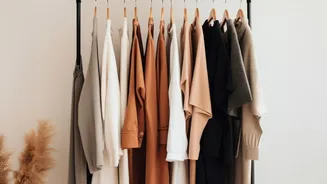
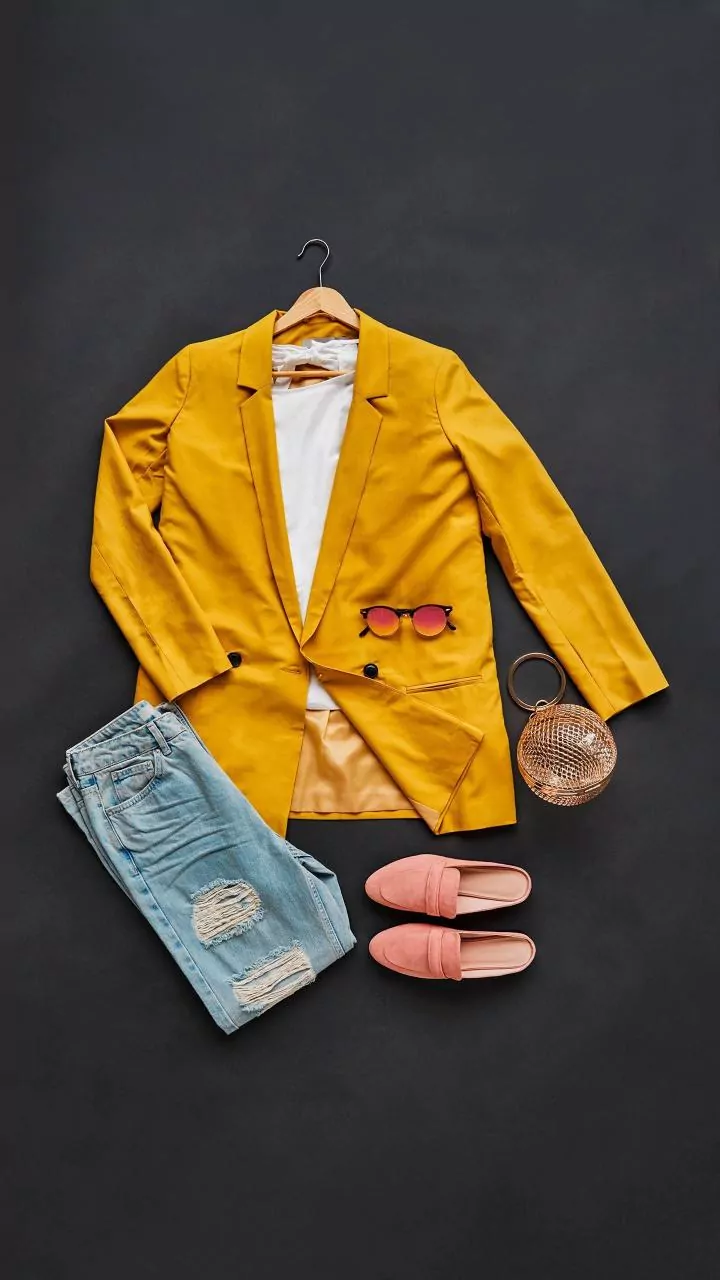
So, how do you build a wardrobe that can handle a 40-degree heatwave and an unexpected downpour? Start by prioritising fabric. Invest in high-quality natural fibres that breathe. Next, focus on versatile layering pieces. A well-crafted oversized shirt, a classic trench coat, a set of light merino wool sweaters, and a few elegant shawls or scarves can instantly adapt an outfit to a change in temperature. Embrace multitasking garments like co-ord sets, shirt dresses, and versatile kurtas that can be styled in multiple ways. Finally, adopt a 'buy less, buy better' mindset. A wardrobe built on timeless, high-quality, trans-seasonal pieces is not only more practical and stylish in the face of unpredictable weather, but it is also more sustainable.