


The Unseen Risks of Cross-Contamination
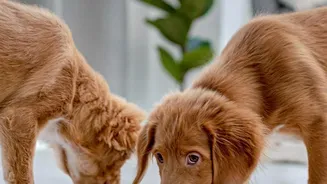
Your pet’s food bowl can be a breeding ground for dangerous bacteria. Studies have shown that pet food bowls are one of the germiest spots in the home, sometimes harbouring pathogens like Salmonella, E. coli, and Listeria. These germs can be present in both
raw and dry pet food. When you wash these bowls in the kitchen sink, you risk transferring these bacteria to your sink, countertops, and dish sponges. This is known as cross-contamination, and it can lead to foodborne illnesses in humans. The risk is especially high for young children, the elderly, and individuals with weakened immune systems, who are more susceptible to severe infections. Even if your pet appears healthy, they can carry these germs and spread them around the house through their saliva or after eating.
Establish a Safe Cleaning Routine
The key to preventing the spread of germs is to treat your pet's dishes like a potential hazard and handle them separately. The U.S. Food and Drug Administration (FDA) and the Centers for Disease Control and Prevention (CDC) provide clear guidelines for safe handling. Ideally, wash pet food bowls after every meal, especially if your pet eats wet food, which can spoil faster. Use hot, soapy water and a dedicated brush or sponge that is used only for pet items to avoid contaminating your regular dishes. It's best to wash the bowls in a utility sink, a separate wash basin, or even a bathtub. If the kitchen sink is your only option, you must thoroughly clean and disinfect the sink and surrounding area immediately after you’re done.
Best Practices for Disinfection and Drying
For a deeper clean, disinfect pet bowls regularly, at least once a week. A simple and effective disinfectant can be made by mixing one part bleach with about 16 parts water (or roughly 1/4 cup of bleach per gallon of water). Let the bowls soak for at least 10 minutes, then rinse them thoroughly with clean water to remove any bleach residue. If your pet's bowls are dishwasher-safe, this is an excellent option for both cleaning and sanitizing, as the high heat is effective at killing bacteria. After washing, make sure the bowls are completely dry before their next use, as moisture can encourage new bacteria to grow. You can air-dry them or use a clean, dedicated towel.
Smart Storage and Handling Habits
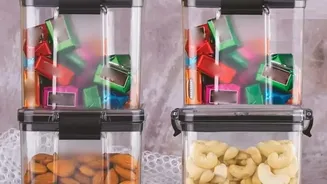
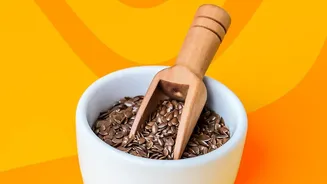
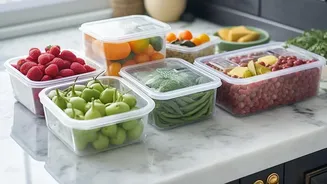
Proper hygiene extends beyond just washing the bowls. It's crucial to wash your hands with soap and water for at least 20 seconds before and after handling pet food and treats. When scooping food, use a dedicated, clean scoop or cup—not the food bowl itself, which can introduce bacteria from your pet's saliva back into the main food supply. Store dry pet food in a cool, dry place, ideally in its original bag placed inside a container with a tight-fitting lid to maintain freshness and prevent contamination. Unused wet food should be covered and promptly refrigerated. By keeping pet food and human food stored separately, you create another important barrier against cross-contamination.
Choosing the Right Equipment
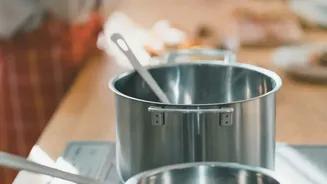
The material of your pet's bowl also plays a role in hygiene. Stainless steel is often recommended by experts because it is non-porous, durable, and easy to clean and sanitize. Ceramic bowls are also a good option, provided the glaze is intact and lead-free. Plastic bowls, on the other hand, can develop tiny scratches over time that can harbor bacteria and become difficult to clean thoroughly. Regardless of the material, check bowls regularly for cracks or deep scratches and replace them if they become damaged.