


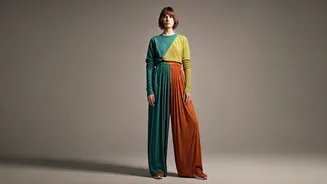


The Real Meaning of a Sustainable Closet
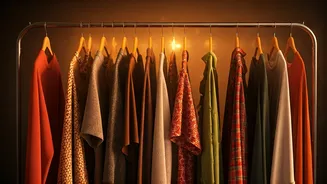
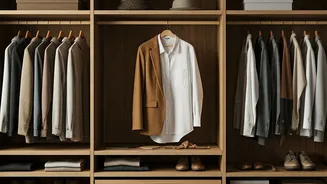
Before we dive into pairings, let’s reframe what a sustainable wardrobe truly means. It’s not a closet filled exclusively with new, certified-organic clothing. The most sustainable fashion is the clothing you already have. The goal is to reduce consumption,
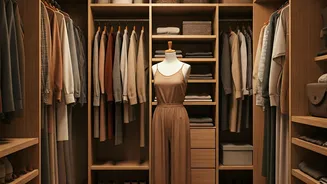
and the easiest way to do that is to increase the lifespan and versatility of your existing items. This mindset shifts the focus from shopping to styling. It’s a move towards a 'capsule wardrobe' philosophy, where a smaller collection of versatile, high-quality items can be mixed and matched to create numerous outfits. This approach saves money, reduces decision fatigue, and has a significant positive impact on the environment by decreasing demand for fast fashion.
Start With Neutrals as Your Foundation
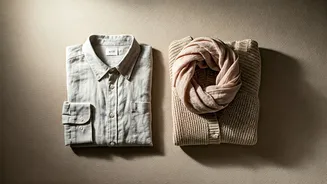
The key to effortless pairing is a strong foundation of neutrals. Think of colours like black, white, grey, navy, and earthy tones like beige, khaki, and terracotta. These shades are the backbone of a versatile wardrobe because they pair well with each other and with virtually any accent colour. Start by identifying the neutral basics in your current closet: a well-fitting pair of black trousers, a classic white shirt, a simple grey t-shirt, or a versatile blue denim jacket. These aren't boring; they are the canvas. A wardrobe built on a cohesive neutral palette ensures that almost any top can be worn with any bottom, instantly multiplying your outfit options without adding a single new item. This principle is about making your clothes work harder for you.
Embrace the 'Rule of Three'
A powerful guideline for both shopping and styling is the 'Rule of Three'. Before you buy any new item—or as you re-evaluate your current wardrobe—ask yourself: can this be styled in at least three different ways? For example, a simple handwoven kurta can be worn with tailored trousers for work, paired with jeans for a casual outing, or used as a lightweight layer over a simple dress. This simple test forces you to think in terms of versatility rather than seeing a piece of clothing as part of a single, static outfit. It encourages you to see a midi skirt not just with its matching top, but also with a chunky knit sweater, a casual graphic tee, or under a formal blazer. Adopting this rule fundamentally changes how you view each garment, transforming it from a single-purpose item into a multitasking hero.
Let Your Accessories Do the Heavy Lifting
Accessories are the most effective and affordable way to make a small wardrobe feel expansive. A simple outfit of a white t-shirt and blue jeans can be transformed in countless ways with the right additions. A colourful dupatta or silk scarf can add a pop of colour and be worn as a necktie, a headscarf, or tied to a handbag. Swapping casual sneakers for elegant sandals, or adding a statement belt to cinch the waist of a dress, can completely change the formality and feel of your look. Jewellery, from classic silver jhumkas to a modern layered necklace, also plays a huge role in personalising a basic outfit. Investing in a few quality accessories provides a much higher return on investment for style variation than buying new clothes.
Mix Textures and Formality
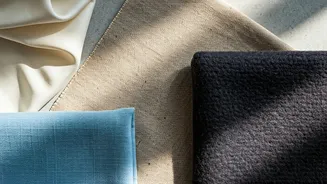
The most stylish individuals know that visual interest comes from more than just colour. A powerful pairing technique is to mix different textures in a single outfit. Think about combining the roughness of denim with the softness of silk, or the chunkiness of a woollen knit with the smoothness of a satin skirt. Even in a monochromatic (single-colour) outfit, a mix of textures adds depth and sophistication, preventing the look from feeling flat. Similarly, don't be afraid to break old fashion rules by mixing formal and informal pieces. Pair a dressy sequin skirt with a casual cotton t-shirt, or throw a structured blazer over a simple jumpsuit. This high-low dressing approach makes your wardrobe more functional for real life, where the lines between work, life, and events are increasingly blurred.