



The Key to a Simple Swap
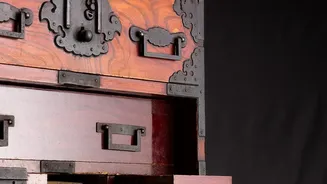
The decorative hardware refresh has become a go-to for homeowners and renters alike. It is a high-impact, low-effort project that can instantly make a kitchen or piece of furniture feel more modern and personalised. Whether you are upgrading to on-trend
finishes like brushed brass and matte black or simply replacing dated, worn-out pieces, the secret to a seamless swap lies in the pre-drilled holes in your cabinets and drawers. This is where understanding “hole spacing” becomes your most valuable skill. Matching your new hardware to the existing holes is the difference between a quick, satisfying task and an afternoon of frustration.
Decoding Center-to-Center Measurement
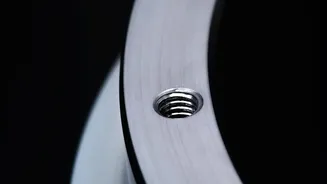
“Hole spacing,” also known in the industry as the “center-to-center” measurement, is the exact distance between the center of one screw hole and the center of the other on a cabinet pull. This measurement is critical because it determines whether a new handle will fit your existing cabinet doors or drawers without you having to drill new holes. It is important not to confuse this with the overall length of the pull. While the total length affects the style, the center-to-center dimension dictates the fit. For knobs, which only require a single screw, this is not an issue, making them a very straightforward update.
How to Measure for a Perfect Fit
Measuring is simple. All you need is a ruler or a tape measure. First, unscrew and remove one of your existing pulls. Then, measure the distance from the center of one screw hole to the center of the other. It's helpful to measure in both inches and millimeters, as hardware is often sold using both systems. Common standard sizes include 3 inches (76mm), 3.75 inches (96mm), and 5 inches (128mm). Knowing your precise center-to-center measurement before you start shopping will narrow your options and ensure you only look at hardware that will fit perfectly.
Smart Tips for Renters
For renters, changing cabinet hardware is one of the most effective and reversible upgrades you can make. The golden rule is to choose new hardware that matches the existing hole spacing perfectly. This ensures you do not have to drill any new holes, which could violate your lease agreement. When you remove the original knobs or pulls, place them in a labeled bag along with their screws and store them in a safe place. When your lease is up, you can easily screw the original hardware back on, leaving the cabinets exactly as you found them and getting your full security deposit back.
When the Holes Don't Match
What if you fall in love with a pull that has a different hole spacing? Homeowners have the option of filling the old holes with wood putty, sanding, and then drilling new holes, but this requires more effort. A simpler solution for both homeowners and renters is to use a backplate. A backplate is a decorative metal plate that sits behind the knob or pull, and it can be used to cover old screw holes beautifully. This allows you to install a pull with a different spacing, or to switch from a knob to a pull, without needing to refinish the entire cabinet front. Backplates also add a stylish, layered look and protect the cabinet surface from wear.
Choosing Your New Hardware Style
Once you have sorted out the technical measurements, the fun part begins. Current trends are leaning toward hardware that makes a statement. Warm metals like brushed brass, satin gold, and bronze continue to be popular for the warmth and luxury they bring to a space. Matte black offers a strong, modern contrast. Beyond finishes, look for interesting textures like knurled, reeded, or hammered surfaces, which add a tactile quality. Don't be afraid to mix and match. Using knobs on upper cabinets and pulls on lower drawers is a classic look, and some designers even mix finishes for a collected, custom feel.