



Redefining 'Premium' for the Modern Home
For years, luxury in Indian homes was synonymous with sheer square footage. A bigger living room, an extra bedroom, a sprawling balcony—these were the markers of a premium lifestyle. Today, that definition is changing. Homeowners and designers are embracing
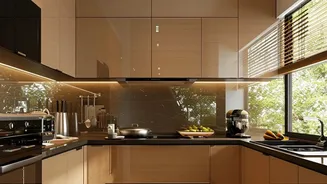
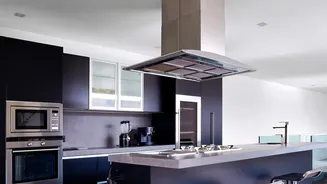
a new philosophy: true luxury lies in the quality of the space, not just its quantity. It's about how a home feels and functions. This new approach prioritizes high-quality materials, clever functionality, and a sense of curated calm over cavernous, empty rooms. Instead of needing more space, Indians are making their existing spaces work harder and feel better, proving that thoughtful design is the ultimate luxury.
The Magic of Multifunctional Furniture
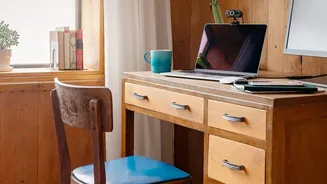
In a compact home where every inch counts, furniture that only serves one purpose is a wasted opportunity. The demand for smart, multifunctional pieces has exploded. Think of sofa-cum-beds that transform a living room into a guest room, coffee tables with hidden storage compartments for decluttering, and foldable wall-mounted desks that create a home office out of thin air. These pieces are not the bulky, unappealing designs of the past. Modern versions are sleek, stylish, and engineered to integrate seamlessly into a contemporary Indian home, allowing for flexibility whether you're hosting family, working from home, or simply enjoying a quiet evening.
A Little Luxury Goes a Long Way
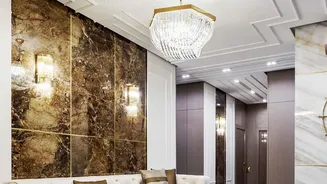
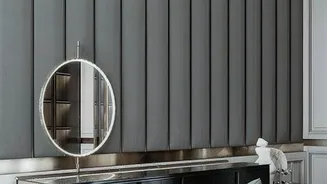
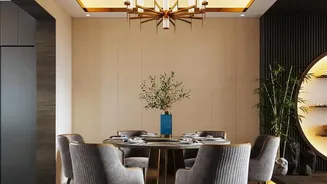
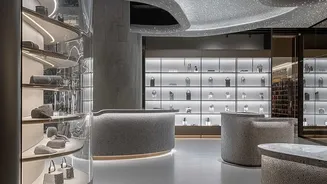
You don't need to clad your entire home in marble to make it feel premium. The key is to use high-quality, impactful materials strategically. Designers suggest investing in a few key areas to elevate the entire space. This could mean a polished marble top for a dining table, elegant brass handles on cabinets, or a single statement armchair upholstered in rich velvet. These tactile, visually appealing materials draw the eye and create a sense of sophistication and permanence. By focusing on quality over quantity, homeowners can add touches of luxury that feel intentional and refined, rather than overwhelming a small space.
Lighting That Creates an Illusion of Space
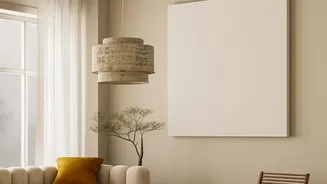
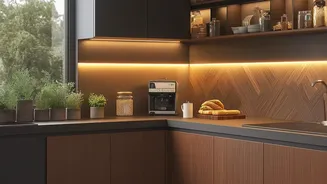
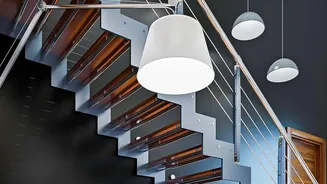
Perhaps the most effective tool for transforming a small room is a well-planned lighting scheme. A single, harsh overhead light can make a space feel flat and small. The secret to a premium look is layered lighting. This involves combining three types of light: ambient (general illumination from ceiling fixtures), task (focused light for activities like reading or cooking), and accent (light that highlights architectural features or decor). Using a mix of floor lamps, wall sconces, and table lamps creates pockets of warm light, adding depth and dimension to a room and making it feel significantly larger and more inviting.
Zoning Without Walls
In many modern Indian apartments, the living and dining areas are part of one continuous space. While this open-plan layout can feel spacious, it can also feel chaotic without clear divisions. The solution isn't to build walls, but to create 'zones' using clever design cues. A large rug can anchor a living area, visually separating it from the dining space. Slim, modern partitions, sometimes inspired by traditional jaali screens, can create separation without blocking light. Even a carefully placed console table behind a sofa can signal the transition from one functional area to another, bringing order and a sense of purpose to an open floor plan.
Using Vertical Space to Your Advantage
When floor space is limited, the only way to go is up. Many Indian homes leave the upper portions of their walls completely bare, which is a missed opportunity for both storage and style. Floor-to-ceiling bookshelves or custom-built wardrobes draw the eye upward, creating an illusion of height. Wall-mounted shelves and cabinets provide valuable storage without taking up a single square foot of the floor, keeping the space feel open and uncluttered. This vertical approach not only maximises functionality but also adds architectural interest, making a room feel taller and grander than it is.